
By Gabriel Ameh
ABUJA – The Federal Government has called for increased investment in artificial intelligence (AI), scientific innovation, and agricultural research to accelerate agricultural transformation across Sub-Saharan Africa and strengthen global food security.
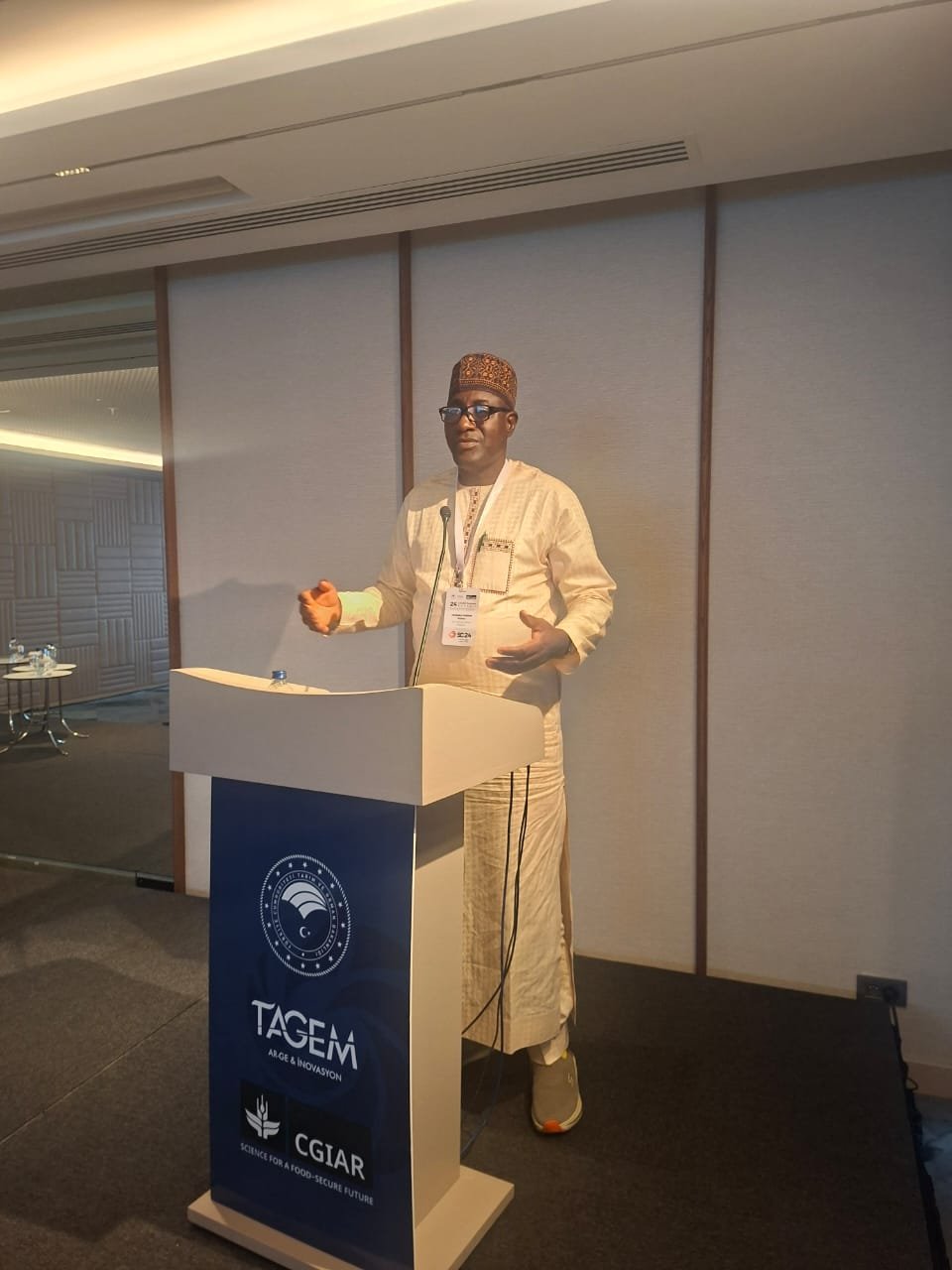
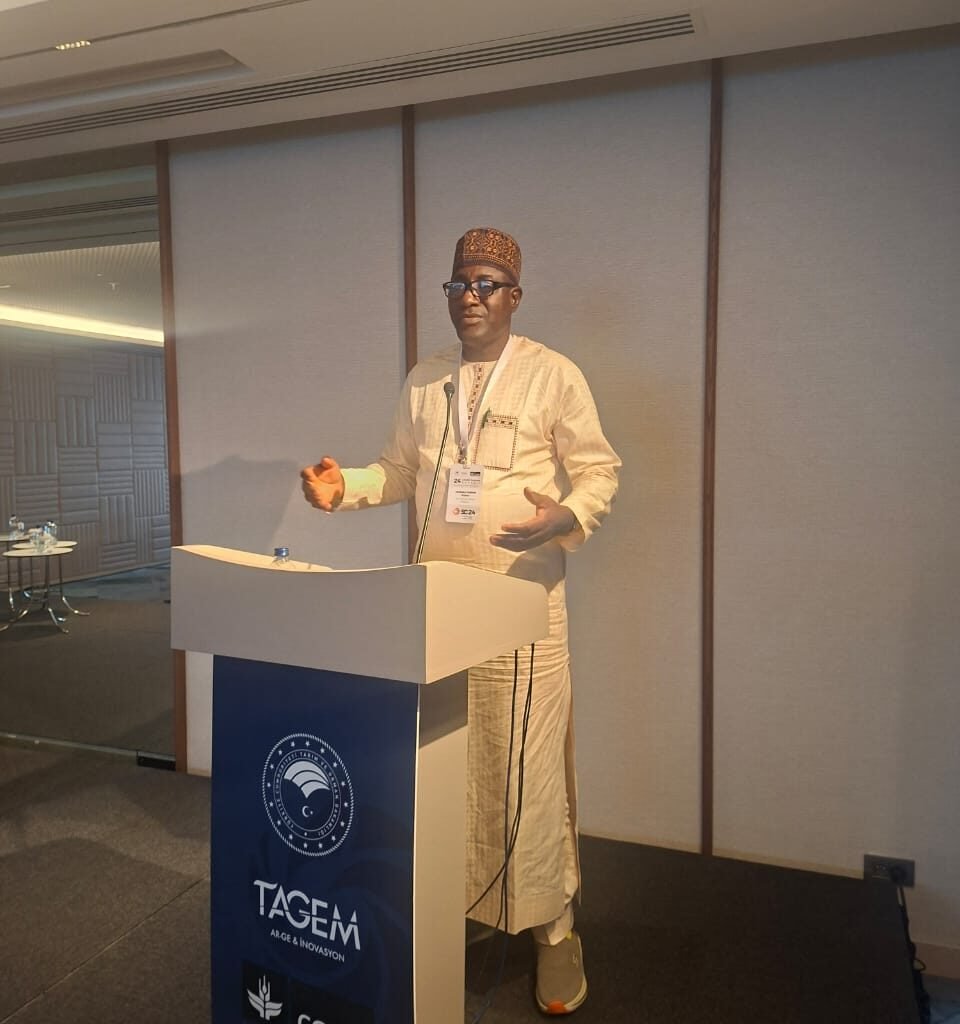
Executive Secretary of the Agricultural Research Council of Nigeria (ARCN), Professor Abubakar Adamu Dabban, made the call while speaking at the 24th Consultative Group on International Agricultural Research (CGIAR) System Council Meeting held in Antalya, Türkiye.
Dabban noted that Africa possesses more than 60 percent of the world’s uncultivated arable land, a rapidly growing youth population, rich biodiversity, and vast agricultural opportunities.
Despite these advantages, he said the continent continues to face persistent challenges including food insecurity, low agricultural productivity, inadequate infrastructure, and climate-related threats.
According to him, the future of agriculture in Africa must be driven by knowledge, technology, and innovation rather than traditional factors such as land size and labour availability.
He explained that artificial intelligence can revolutionize farming by improving weather forecasting, detecting crop diseases before outbreaks occur, optimizing fertilizer and water use, enhancing livestock management, reducing post-harvest losses, and strengthening agricultural extension and market information systems.
The ARCN boss urged governments and stakeholders to invest in critical digital agricultural infrastructure, including rural broadband connectivity, satellite technologies, farm information systems, digital advisory platforms, and innovation hubs to improve farmers’ access to timely and actionable information.
Dabban also advocated stronger support for agricultural research institutions through AI-powered breeding programmes, climate-smart crop development, genomic research, predictive analytics, and big-data platforms capable of accelerating innovation and boosting food production.
He emphasized the need to modernize genebanks and biodiversity conservation systems, describing Africa’s genetic resources as strategic assets for future food security and climate resilience.
According to him, AI can significantly improve germplasm characterization, breeding efficiency, genetic diversity analysis, and conservation planning.
Highlighting the importance of youth participation, Dabban called for the establishment of innovation funds, startup incubators, agritech training programmes, scholarships in artificial intelligence and data science, as well as venture capital support for youth-led enterprises.
“The next agricultural revolution in Africa will be led by young innovators equipped with technology and entrepreneurial skills,” he said.
He further stressed the need for increased financing for agritech startups, climate-smart agriculture projects, AI-enabled innovations, and smallholder farmers, noting that sustainable funding remains essential for agricultural transformation.
On climate change adaptation, Dabban said technologies such as early warning systems, precision irrigation, drought forecasting, climate-risk mapping, carbon monitoring systems, and digital insurance products could help farmers build resilience and improve productivity.
Speaking on the theme, “Transforming Sub-Saharan Africa’s Agricultural Research and Innovation Ecosystem for Maximum Impact,” he proposed seven strategic pillars for agricultural transformation.
These include increased investment in agricultural research and development, adoption of AI and digital agriculture, strengthening genebanks, empowering youth and women, fostering partnerships, scaling climate-smart agriculture, and ensuring research outcomes translate into measurable development impacts.
Dabban urged African governments to dedicate at least one percent of agricultural GDP to research and innovation while promoting stronger collaboration among CGIAR centres, national research institutes, universities, governments, farmers’ organizations, and the private sector.
He also called on CGIAR to place Africa at the centre of its 2025–2030 Science and Innovation Portfolio through greater investments in African-led research and the scaling of proven agricultural technologies across the continent.
“The future of global food security will be significantly shaped by what happens in Africa over the next decade. The question is whether we will invest boldly enough in science, innovation, technology, and partnerships to make it happen,” he said.
Dabban urged stakeholders across the continent to work together in building resilient, productive, and sustainable food systems capable of unlocking Africa’s agricultural potential and contributing meaningfully to global food security. :::