
0-2944x2944-0-0-{}-0-12#
By Gabriel Ameh
📍Abuja | Media360Impact Report
A High Court in Abuja has ruled that the Nigeria Police Force and the Federal Road Safety Corps (FRSC) do not have the legal authority to impose fines on motorists over third-party motor vehicle insurance violations.
Delivering judgment, Justice Yelwa held that while both agencies are empowered to enforce compliance by checking motorists for valid insurance, they lack the statutory powers to levy fines. According to the court, only a court of law can impose such penalties.
The suit, filed to seek interpretation of provisions of the National Insurance Act and related laws, challenged the powers of law enforcement agencies in enforcing third-party motor vehicle insurance.
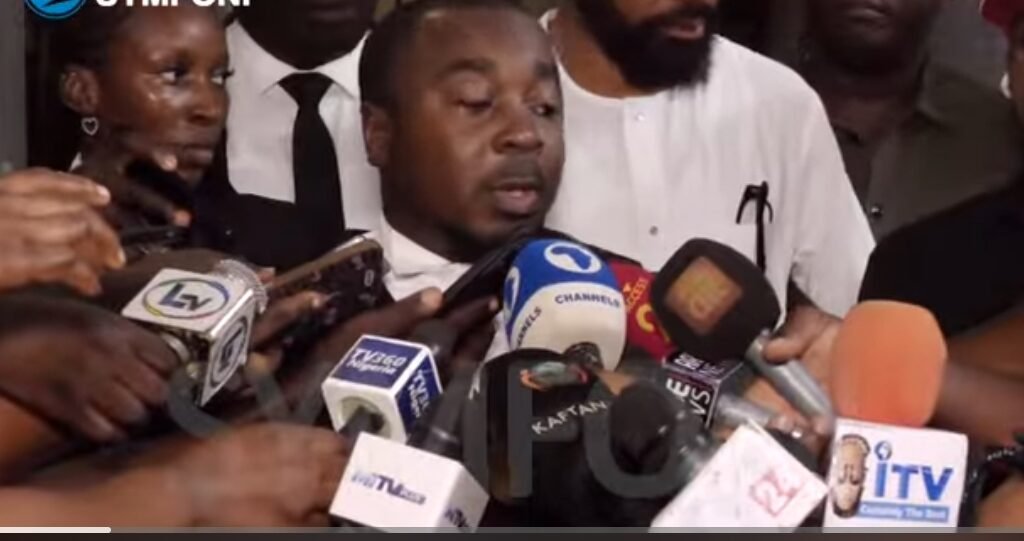
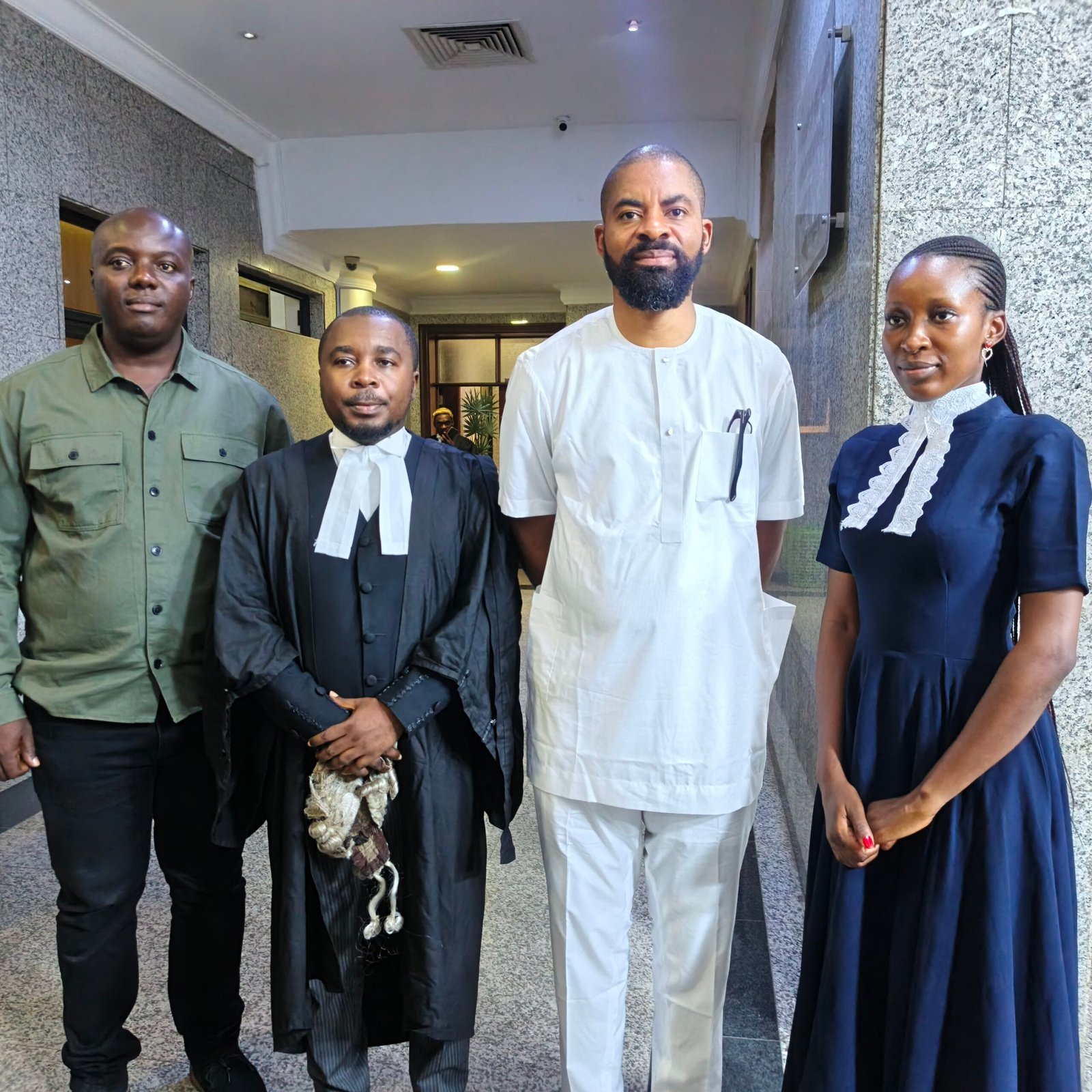
Counsel to the applicants, Marvin Omorogbe, explained that the action was aimed at clarifying whether enforcement powers rested solely with the FRSC or extended to the police. The court, however, ruled that both agencies can enforce compliance but cannot impose fines on motorists.
“The court restrained the police, the Inspector General of Police, and all officers from imposing fines on motor vehicle users in the course of enforcing third-party insurance,” Omorogbe said.
Reacting to the judgment, human rights lawyer Deji Adeyanju welcomed the ruling, describing it as a victory for Nigerians.
“We are happy because the court has clearly stated that the police and FRSC do not have the right to impose fines on any Nigerian. Only a court of law can do that,” he said.
Adeyanju noted that the lawsuit was partly motivated by concerns over potential abuse and extortion.
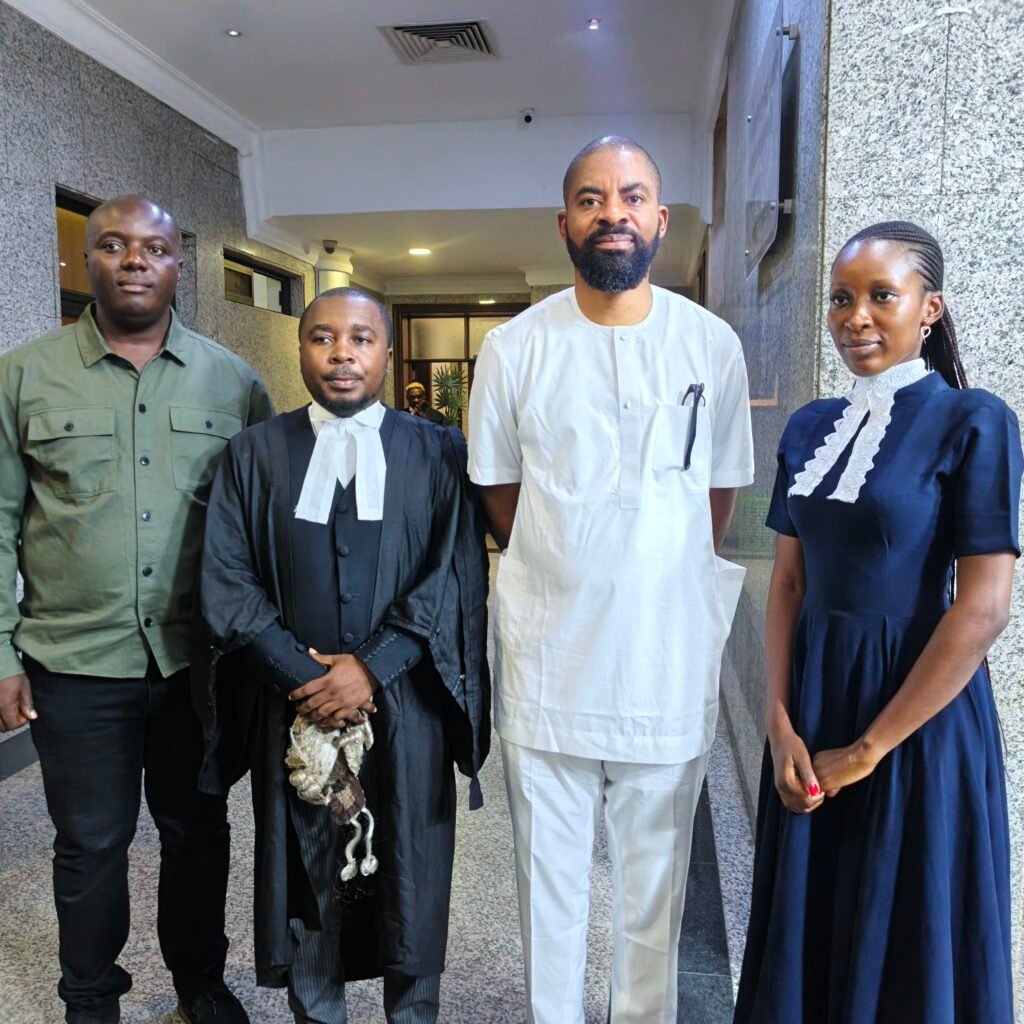
“The idea was to prevent turning enforcement into another avenue for extortion. Nigerians can now go about their lawful activities without fear of arbitrary fines,” he added.
He, however, acknowledged that the court did not grant all the reliefs sought, as it affirmed that both the police and FRSC have the power to check for compliance under existing laws.
On his part, counsel to the Inspector General of Police, Victor Okoye, said the judgment was partly favourable to the police but indicated dissatisfaction with aspects of the ruling.
He revealed that the police had raised a preliminary objection challenging the jurisdiction of the court, which was dismissed before judgment was delivered.
“We are likely to approach the Court of Appeal to determine whether the lower court had the jurisdiction to entertain the matter,” Okoye stated.
The ruling is expected to have significant implications for motorists across Nigeria, particularly in curbing roadside penalties and alleged extortion linked to enforcement of motor vehicle insurance compliance.