
By Gabriel Ameh
ABUJA — Nearly 6.4 million Nigerian children aged 0–59 months are suffering from acute malnutrition, including about two million cases of severe acute malnutrition, the Federal Government has disclosed.
The disclosure came as the Federal Government, the United Nations and Médecins Sans Frontières (MSF) called for stronger investment in Nigeria’s health system and closer collaboration to address the country’s persistent humanitarian and health challenges.
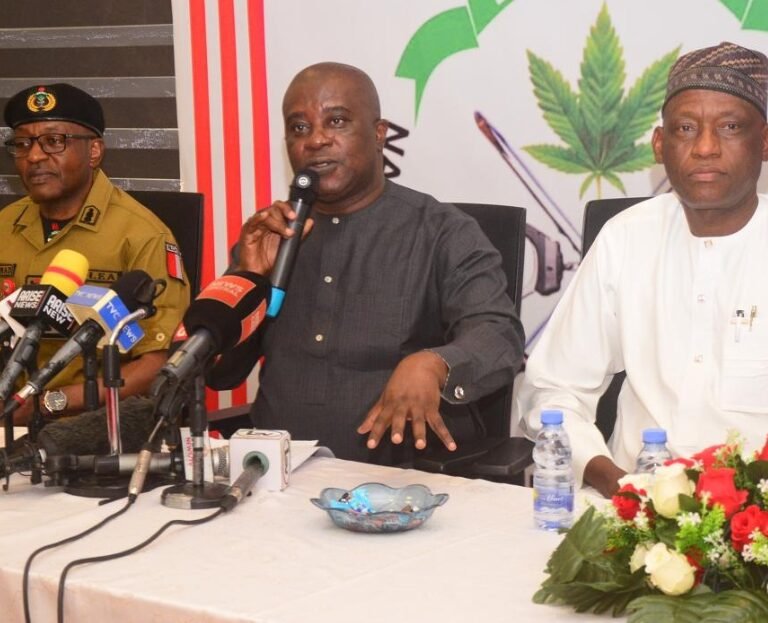
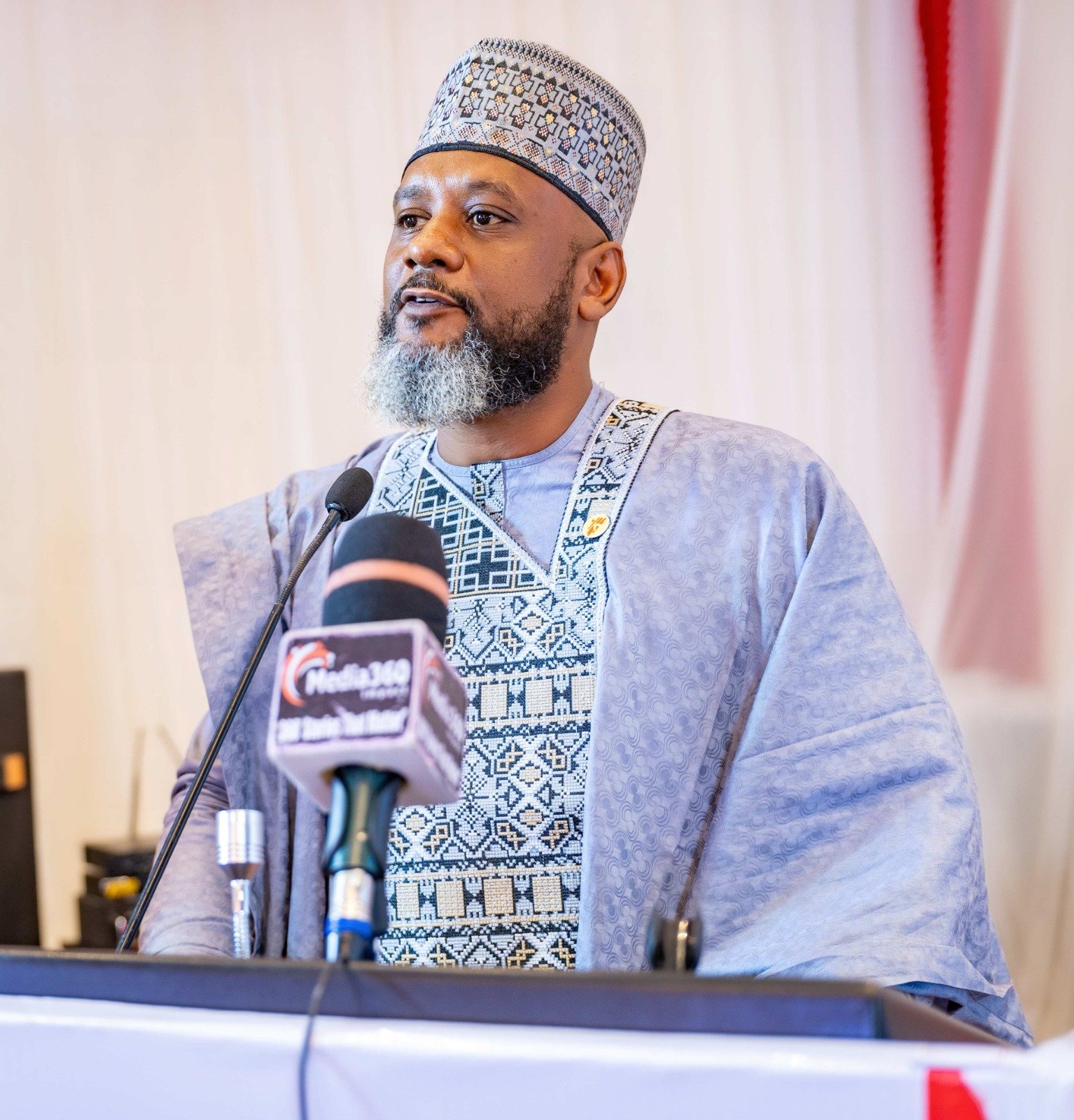
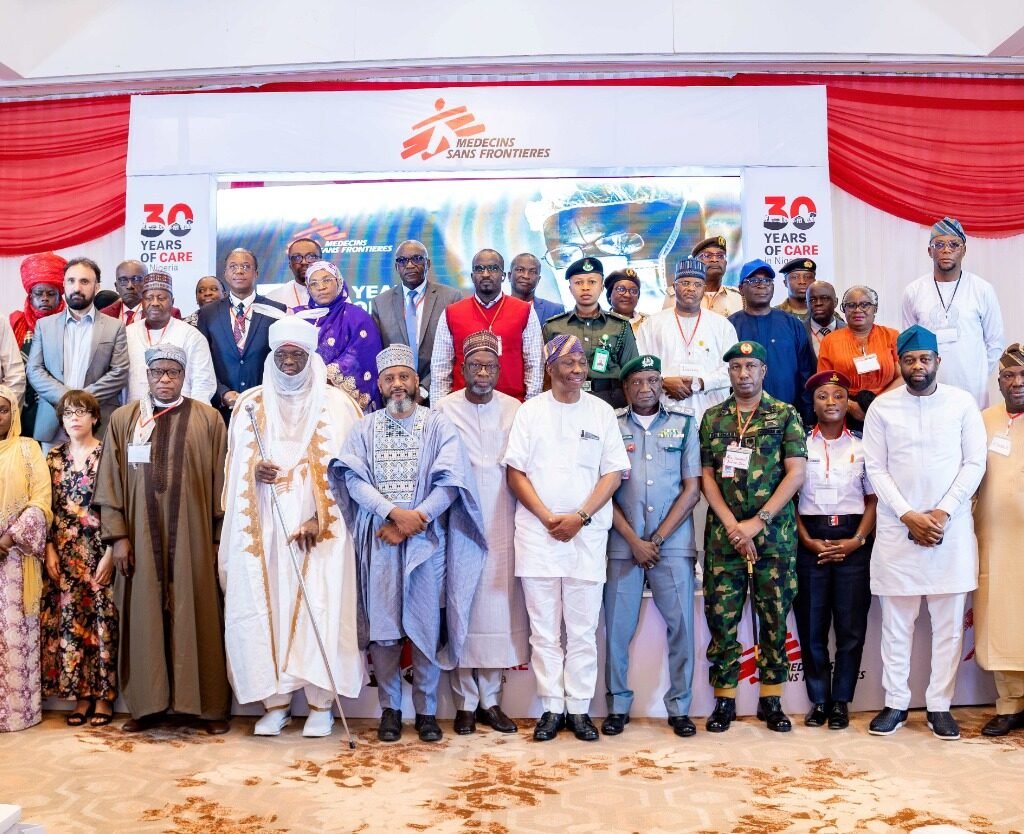
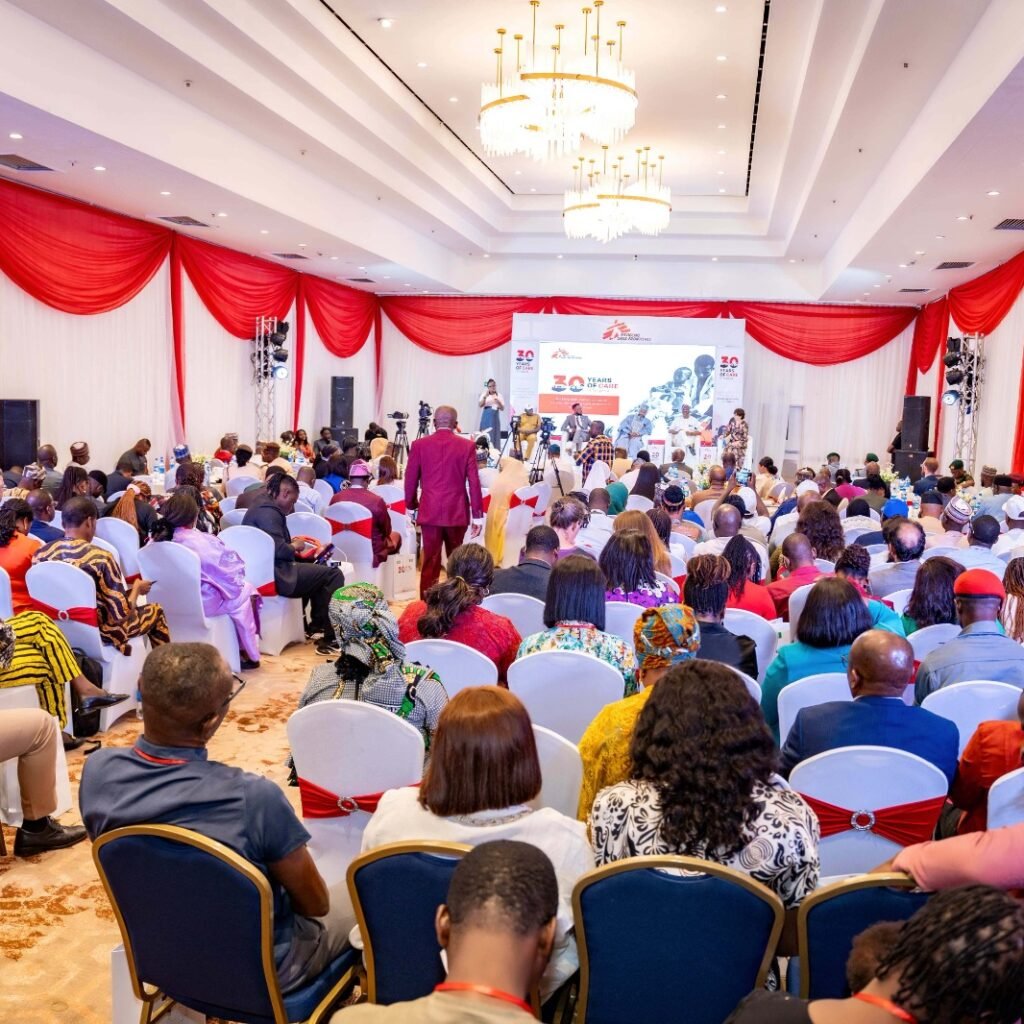
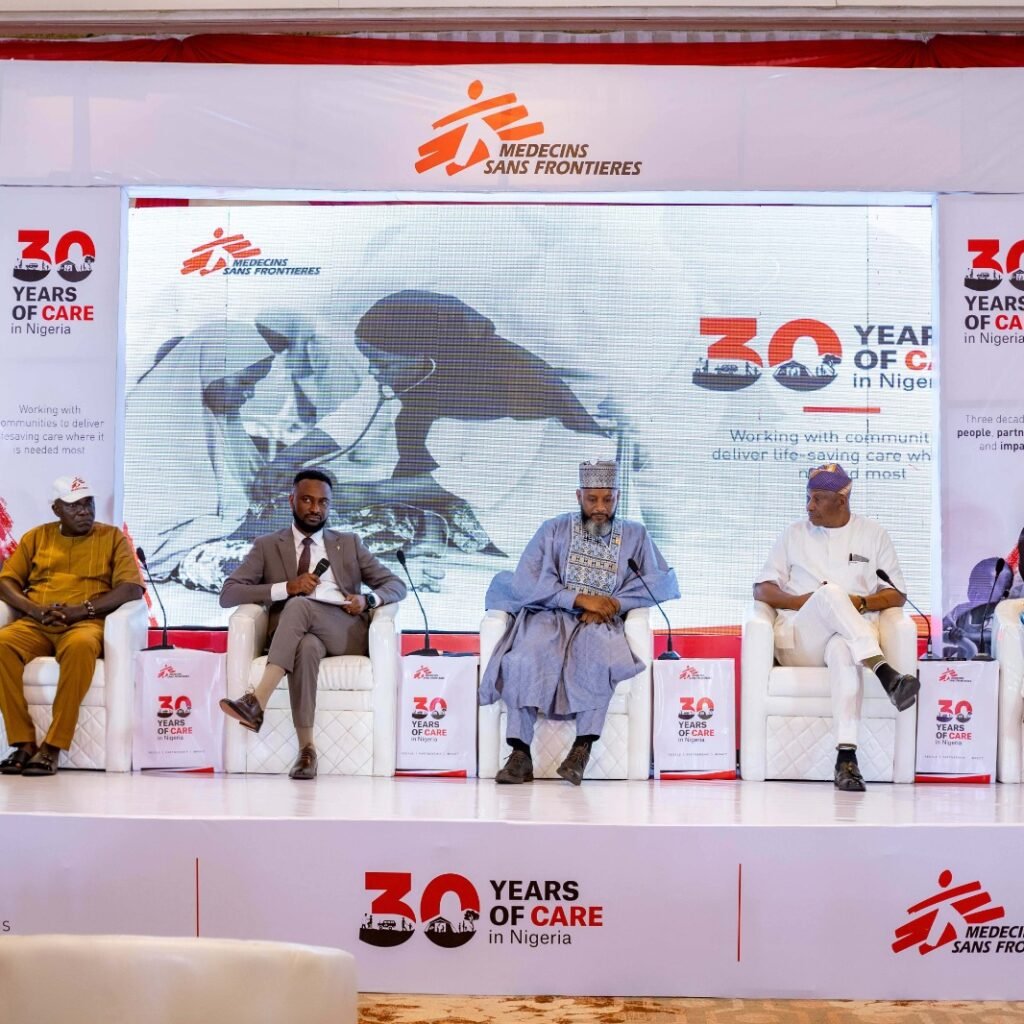
The call was made in Abuja during the 30th anniversary of MSF’s operations in Nigeria, which also highlighted the organisation’s interventions in nutrition, maternal and child healthcare, disease control and emergency response.
Representing the Secretary to the Government of the Federation, Senator George Akume, the Permanent Secretary, Ecological Project Office, Dr Aishetu Gogo Ndayako Mohammed, said MSF’s three decades of work in Nigeria reflected “compassion, humanity, solidarity and service to people in need.”
She noted that the organisation had supported communities affected by conflict, displacement, disease outbreaks, malnutrition and other humanitarian emergencies.
According to the Federal Government, MSF treated more than 444,000 children for malnutrition in 2025, including over 353,000 children through outpatient feeding programmes and more than 90,000 in stabilisation centres.
The organisation also treated more than 341,000 malaria patients, assisted over 35,590 deliveries and carried out 224 fistula surgeries while responding to outbreaks of cholera, measles, diphtheria and Lassa fever.
Representing the Minister of Budget and Economic Planning, Senator Abubakar Atiku Bagudu, Director of Internal Cooperation, Dr Sampson Ebimaro, said MSF operated in 10 states in 2025, including Bauchi, Borno, Cross River, Ebonyi, Jigawa, Kano, Katsina, Kebbi, Sokoto and Zamfara, before expanding its presence to Anambra and Niger.
He said humanitarian interventions should complement national priorities while strengthening the capacity of Nigerian institutions to sustain healthcare delivery.
“The ultimate measure of our success is not how many interventions we deliver, but whether we build the capacity of Nigerian institutions to deliver those interventions and sustain them whenever MSF decides to hand over operations to the host state.”
The government also cited MSF data showing a 330 per cent increase in measles cases in Zamfara in 2025 compared with 2024.
In Sokoto, treatment centres recorded peak bed occupancy of 183 per cent, with an 8.1 per cent mortality rate among admitted children, according to the data presented at the event.
The UN Resident and Humanitarian Coordinator (a.i.), Ms Elsie Attafuah, said the impact of MSF’s 30 years in Nigeria should ultimately be measured by the lives saved.
She said MSF treated more than 400,000 children for acute malnutrition in 2025 and supported maternal and newborn care, nutrition services and noma treatment.
Attafuah stressed the need to connect humanitarian interventions with longer-term recovery, noting that rebuilding communities requires more than immediate emergency assistance.
She also called for greater coordination among humanitarian, development and peacebuilding efforts while protecting MSF’s independent, impartial and neutral medical operations.
MSF: Nigeria’s health challenges require collective action
MSF Country Representative, Dr Aldikhari Ahmed, said the organisation began its operations in Nigeria in 1996, responding to a meningitis epidemic in Kano, Bauchi and Katsina.
Over the past three decades, he said, MSF expanded its activities to maternal and child health, nutrition, vaccination, surgery, tuberculosis and HIV care, as well as emergency responses to conflict, displacement and disease outbreaks.
Ahmed acknowledged that MSF could not address Nigeria’s health challenges alone.
“We cannot treat our way out of all of this, but we must try to prevent it.”
He said malnutrition, disease and displacement were interconnected and required coordinated action from government, humanitarian organisations and other stakeholders.
Ahmed reaffirmed MSF’s commitment to providing medical care based on need, regardless of nationality, religion, ethnicity or political affiliation.
Noma survivor shares personal journey
The anniversary also provided an opportunity for noma survivor Useni Usman to recount how MSF’s intervention changed his life.
Usman said noma had exposed him to stigma and rejection before he received free treatment and surgery at the Noma Children’s Hospital.
Following his recovery, he secured employment with MSF, where he now works to raise awareness about noma prevention in communities.
He said the opportunity also enabled him to pursue a university degree.
“I never thought I would be able to stand before people like this,” he said, while expressing appreciation to MSF for the transformation in his life.
The event ended with a shared emphasis on the need for stronger domestic investment in healthcare, better coordination and sustainable local capacity to ensure vulnerable Nigerians can continue to access essential health services.
Credit/Source: Médecins Sans Frontières (MSF), Federal Government of Nigeria and United Nations — statements and figures presented at MSF’s 30th anniversary event in Abuja.