
By Gabriel Ameh
Nigeria Unveils Regional Democracy Partnership to Tackle Coups, Weak Institutions in West Africa
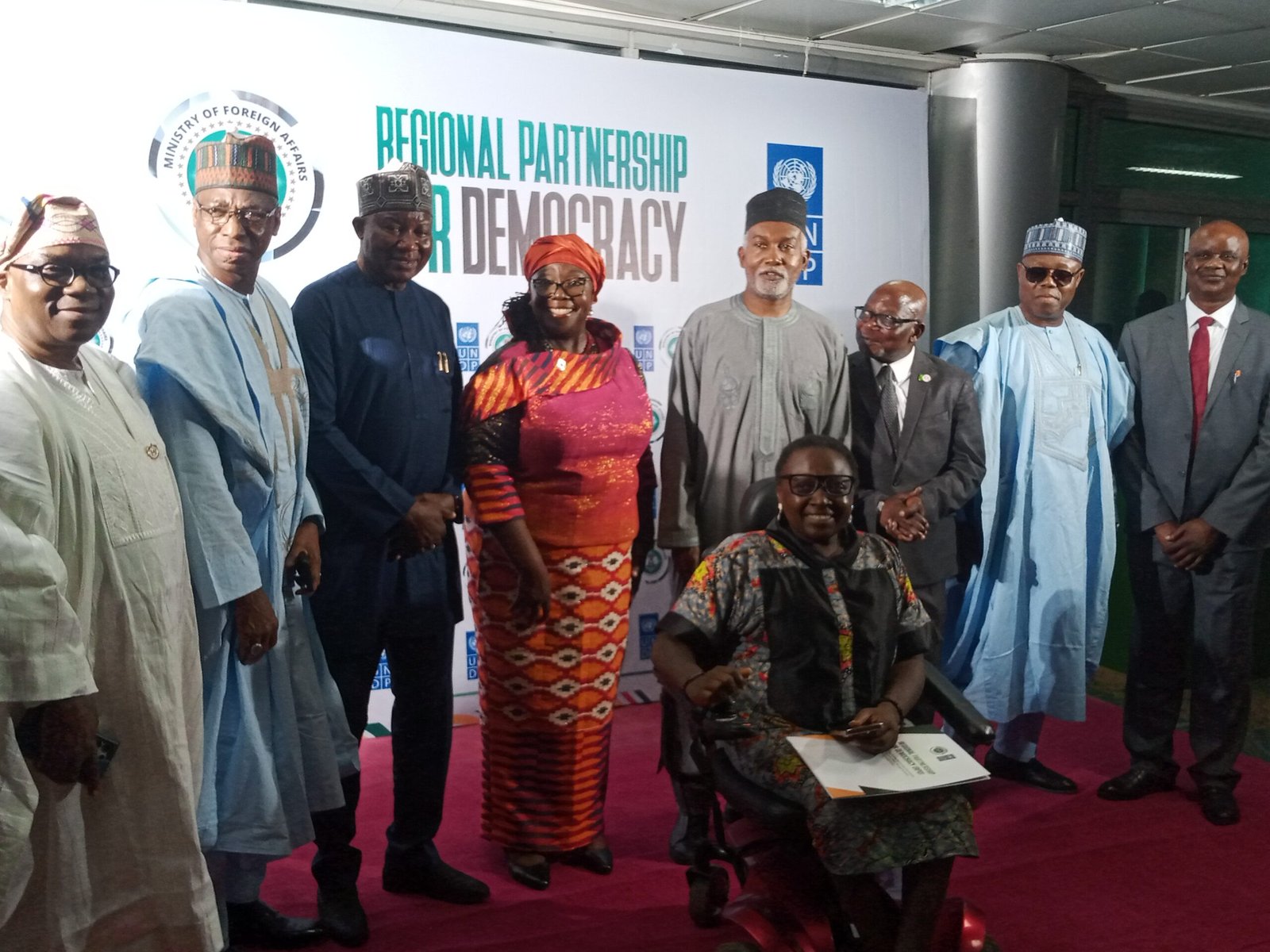
Nigeria on Wednesday took a bold step toward reshaping political systems across West Africa as the Minister of Foreign Affairs, Ambassador Yusuf Maitama Tuggar, led the launch of the Regional Partnership for Democracy (RPD) an initiative framed as Africa’s decisive move to reclaim its democratic trajectory from externally imposed governance templates.
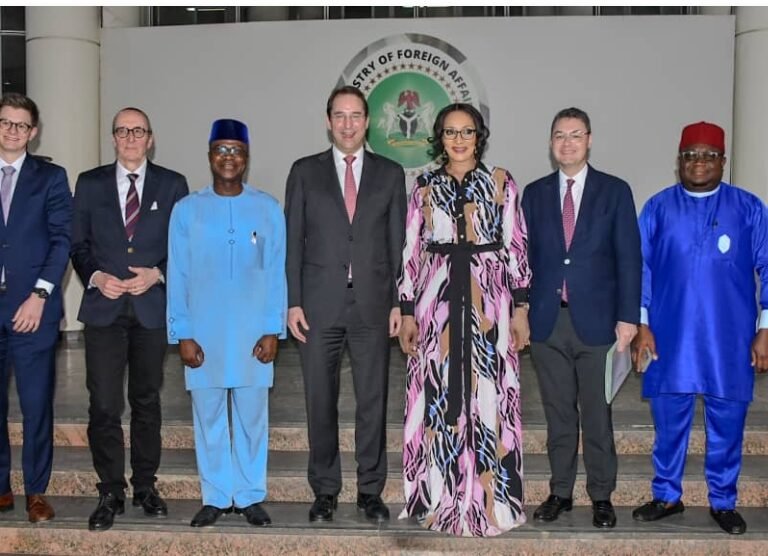
The event, held at the Ministry of Foreign Affairs in Abuja, convened representatives of the United Nations, ECOWAS leadership, diplomats, lawmakers and civil society groups, all aligned behind a new continental conversation: the need for democracy designed by Africans, for Africans.
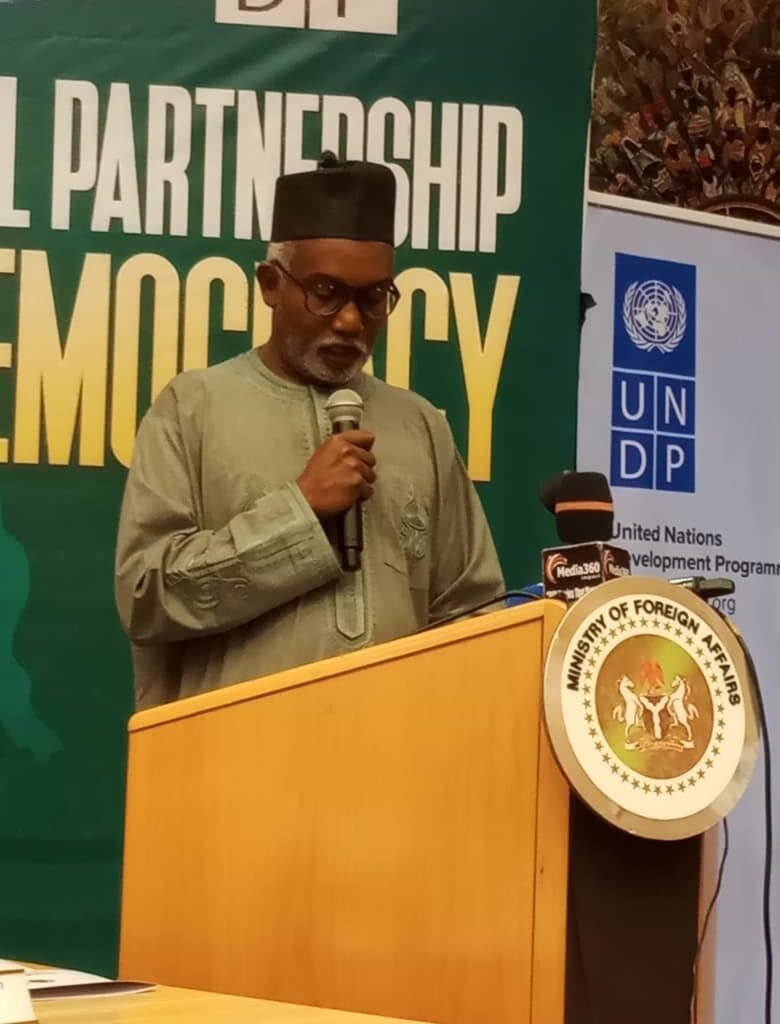
Africa Must Stop Copying and Start Creating Tuggar
In his opening remarks, Tuggar argued that Africa’s greatest governance failures stem not from a lack of values or capacity, but from decades of “uncritical adoption of Western political structures” that do not match Africa’s cultural realities or historical evolution.
“We cannot continue importing governance systems that do not speak to our identity,” he said. “The RPD represents Africa choosing a path that is authentic, inclusive and grounded in the lived experience of our people.”
The Minister described the launch as more than a policy event a turning point in Africa’s search for stable, accountable, locally owned democratic institutions.
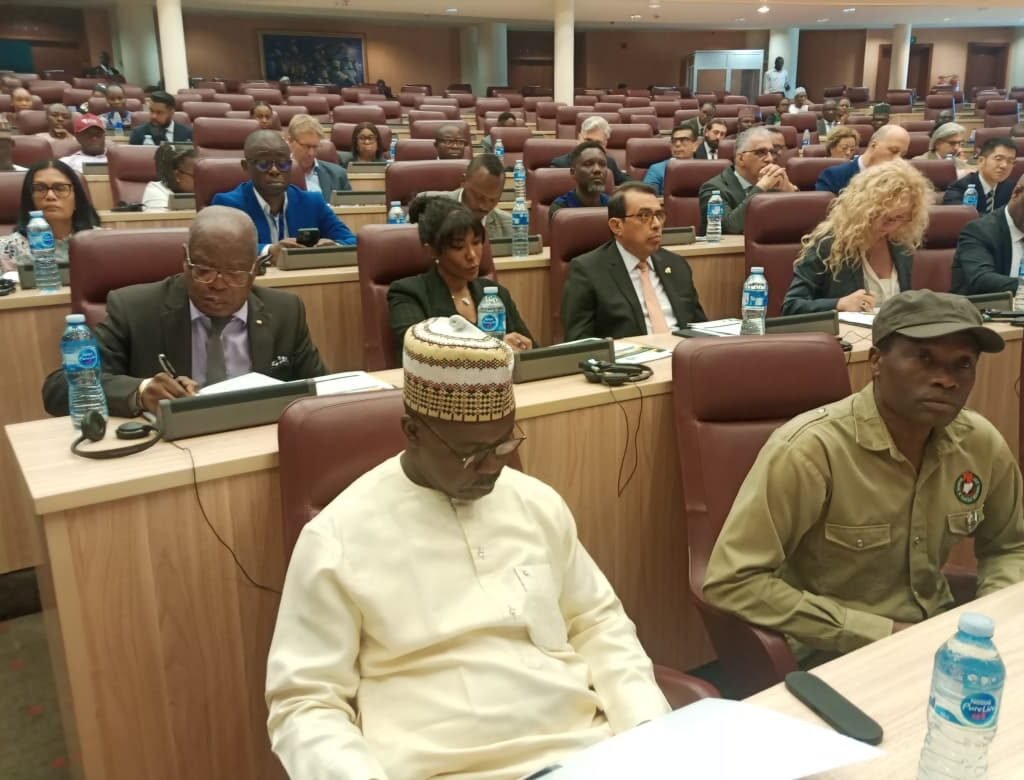
A Regional Public Good, Not a Nigerian Project
Tuggar emphasized that the initiative will be jointly driven by the Ministry of Foreign Affairs and the UN system in Abuja. The dual arrangement, he said, is intentional ensuring credibility, neutrality and regional participation right from inception.
“The RPD is not Nigeria’s programme. It is a regional public good open to every West African state ready to strengthen institutions, prevent unconstitutional transitions, support youth participation and counter the forces that threaten democratic stability,” he said.
Tackling Governance Gaps, Not Just Elections
Moving away from the usual focus on election cycles, Tuggar highlighted deeper systemic problems weak institutions, political violence, low civic engagement, misinformation and rising administrative impunity.
“These are the cracks through which instability enters,” he warned, linking the continent’s democratic fragility to recurring coups and military interventions.
He also challenged global narratives that oversimplify conflicts in Nigeria and the Sahel as religious, noting that the region now accounts for nearly half of global terrorism-related deaths, with Muslim communities bearing the heaviest burden.
Region-Driven Security as a Model
Referencing the success of the Multinational Joint Task Force against Boko Haram, Tuggar argued that regional solutions have consistently outperformed isolated national actions.
“The lesson is clear: when West Africa acts together, progress follows,” he said.
UN: This Is Africa Defining Its Own Political Future
Speaking on behalf of the United Nations, UNDP Resident Representative Ms. Elsie Attafuah praised Nigeria’s leadership and President Bola Ahmed Tinubu’s diplomatic influence in ECOWAS.
She described the RPD as “Africa-led, regionally anchored and globally relevant,” calling it a compact of shared values rather than a donor-driven initiative.
Attafuah stressed that the launch marks the beginning of a long-term regional transformation.
“This is not a ceremony it is the start of a movement to rebuild trust, protect constitutionalism and ensure democracy delivers for citizens,” she said.
The UN, she assured, will deploy expertise, funding and implementation support across the region, ensuring the programme takes root not just in capital cities but in communities where democratic deficits are most deeply felt.
A Call to Reclaim Ownership of Democracy
Both leaders echoed a powerful message: the future of democracy in West Africa must be homegrown, inclusive and resilient.
Tuggar captured the spirit of the initiative in his closing remarks:
“Let us build a democracy that is not borrowed, not imposed, but proudly African crafted from who we are and strengthened by what we aspire to become.”