
By Gabriel Ameh
The Director General of the National Institute for Sports (NIS), Philip Shaibu, has announced plans to stop the use of Nigeria’s national stadium facilities for political and religious activities, saying the practice has contributed to the deterioration of critical sports infrastructure in the country.
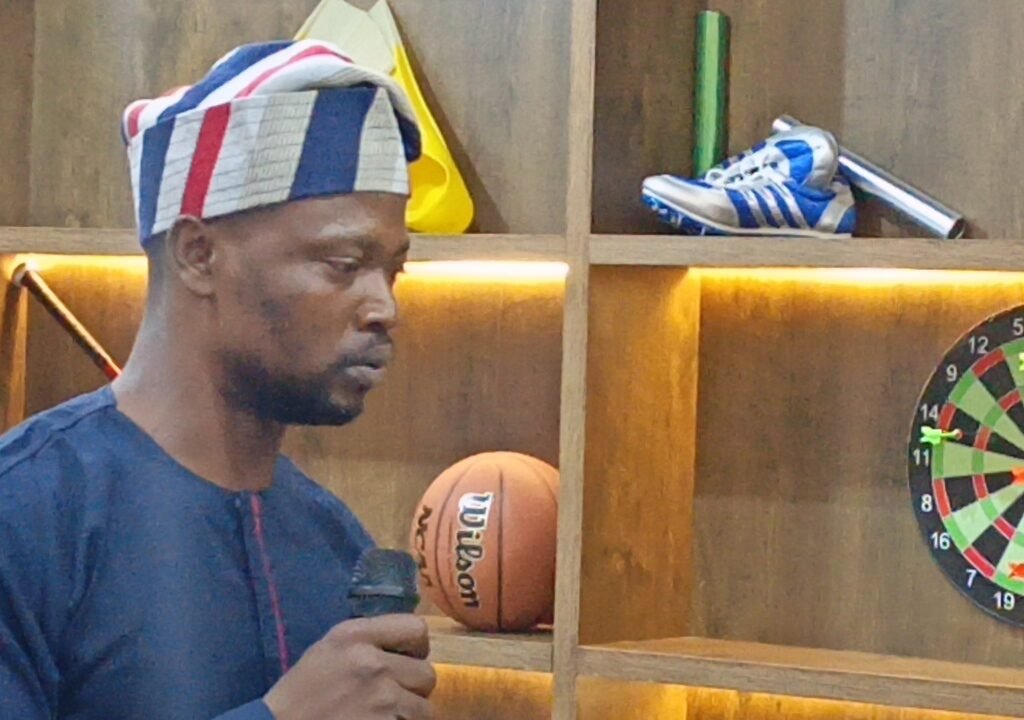
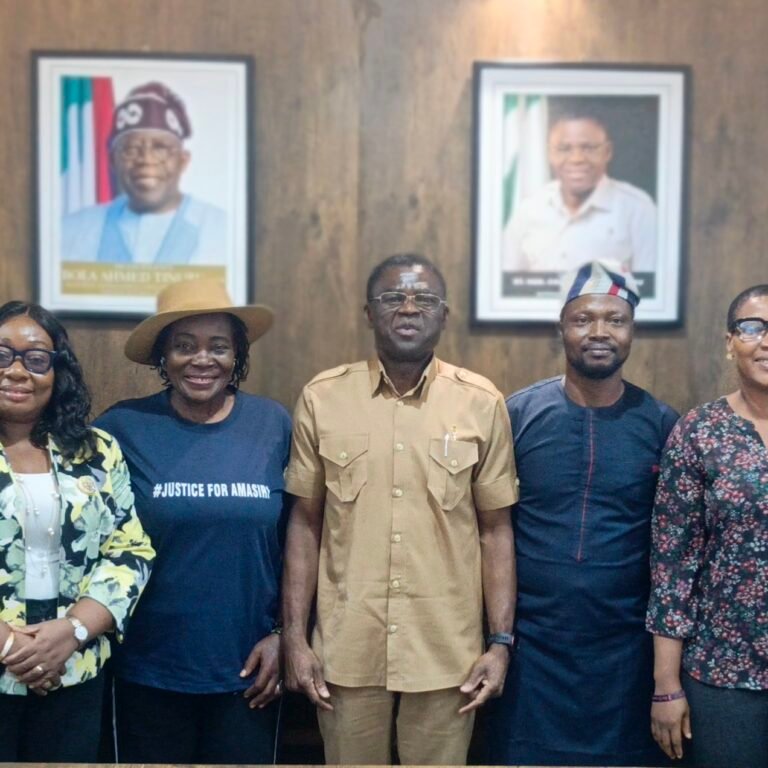
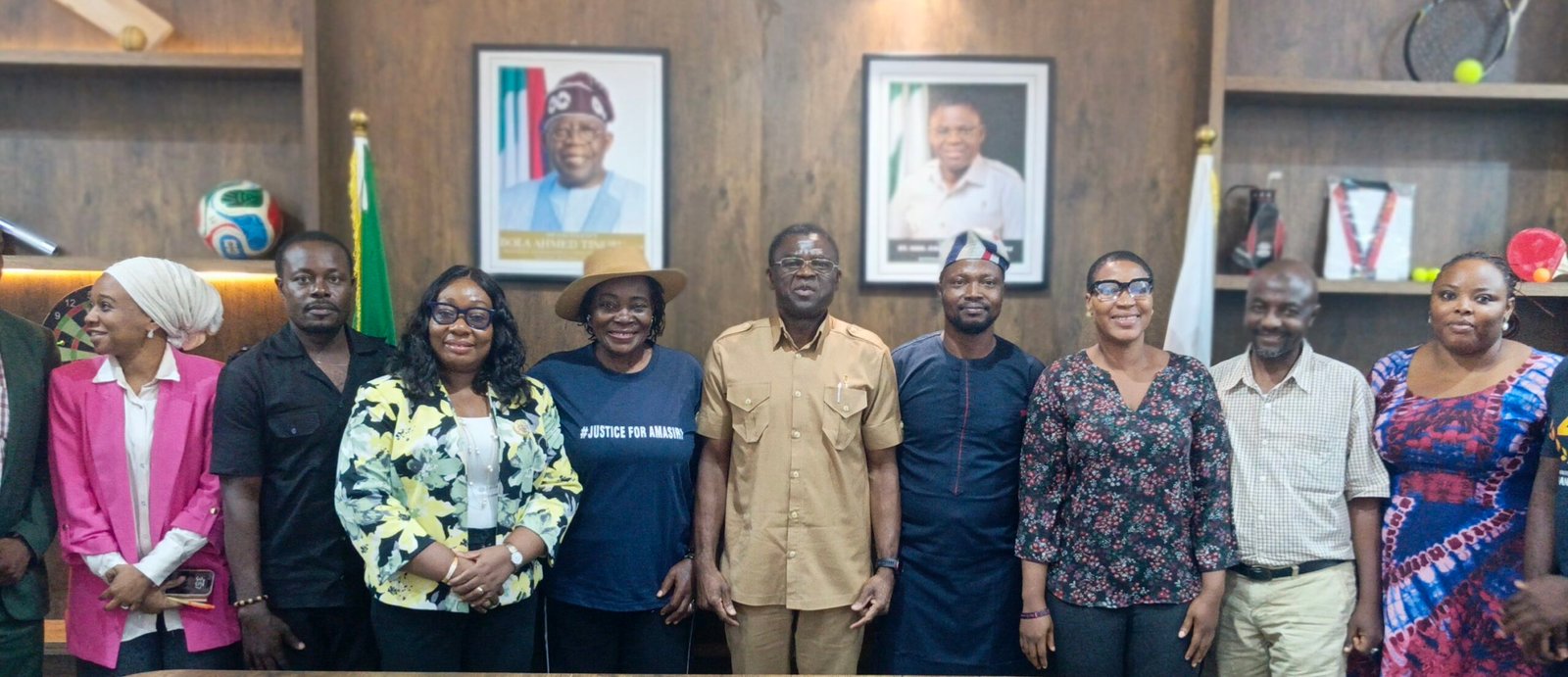
Shaibu made the declaration when members of the Correspondents Chapel of the Nigeria Union of Journalists (NUJ), Utako, Abuja, paid him a courtesy visit to discuss areas of collaboration in sports development and media partnership.
According to the NIS Director General, the institute will soon set up a task force to enforce the directive in collaboration with relevant sports authorities including the National Sports Commission and the Nigeria Football Federation.
“We will not allow political or religious activities in the main bowl of our national stadium again. Those facilities were built for sporting activities and must be preserved,” Shaibu said.
He explained that the continuous use of stadium facilities for non-sporting activities has contributed to the deterioration of playing surfaces and sports infrastructure, making it difficult for Nigeria to host international competitions.
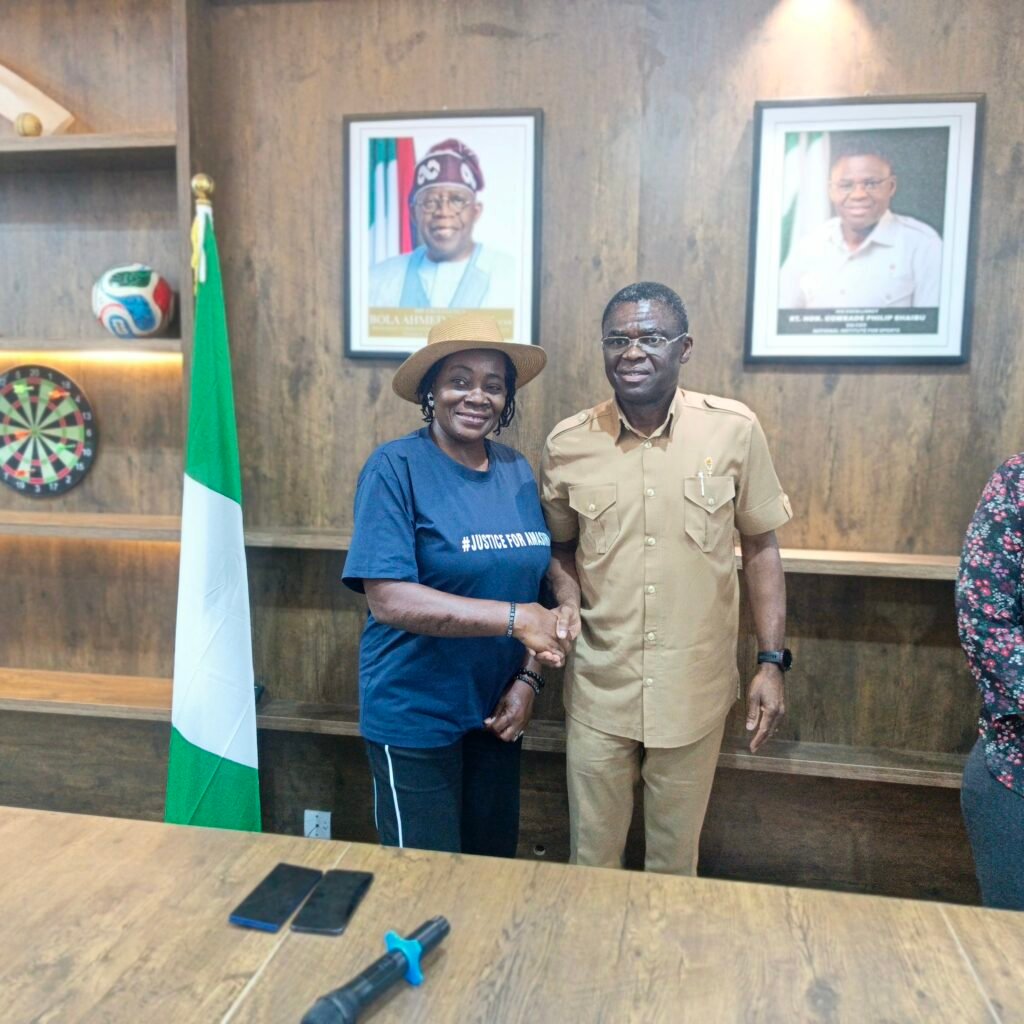
Hon. Philip Shaibu and Princess joy Idam
Shaibu noted that it was unacceptable that a country with a population of over 200 million has only a limited number of stadiums capable of hosting international football matches.
The DG also used the opportunity to call for greater accountability in the management of sports institutions, urging former sports administrators and officials who had previously overseen sports agencies to explain the state of the institutions they managed.
According to him, his call was not about allegations of corruption but about administrative accountability.
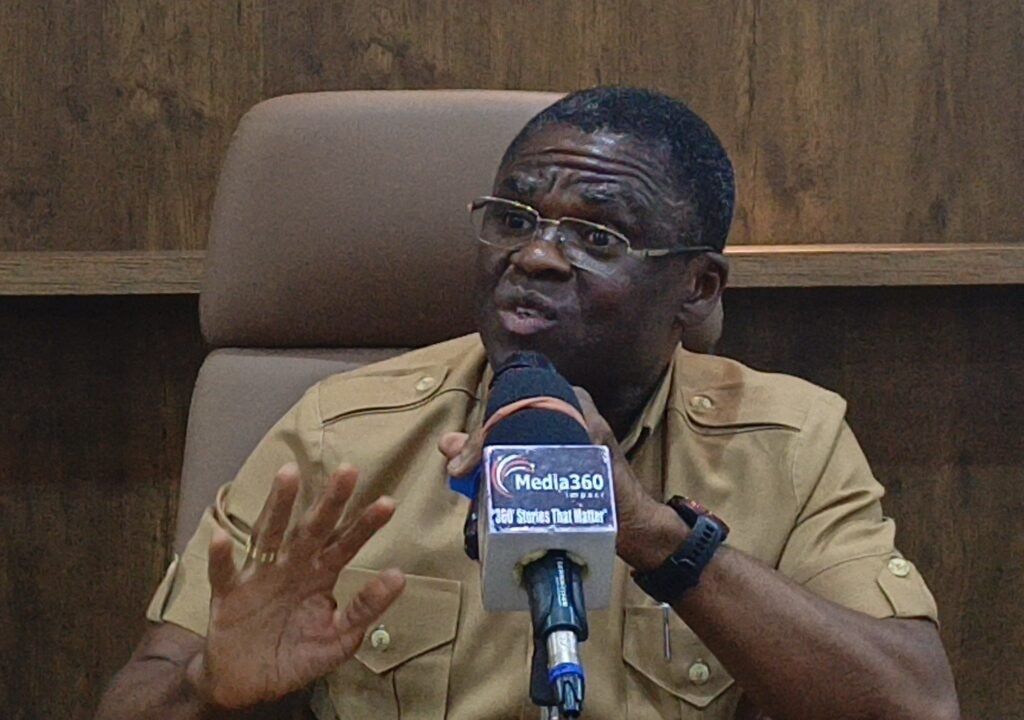
“All past sports administrators should come and explain how these institutions were managed. I am not accusing anyone of embezzlement, but the administrative stewardship of these institutions must be accounted for,” he said.
Shaibu further stressed that Nigeria must focus on strengthening institutions rather than relying on individuals, noting that strong institutions provide lasting protection and continuity for national development.
“Our mandate is to strengthen institutions because strong men will come and go, but institutions will remain and protect both the strong and the weak,” he added.
He revealed that the institute has begun implementing reforms aimed at reviving sports training in Nigeria, including curriculum restructuring, manpower development programmes and administrative reforms.
The DG said the reforms are also focused on decentralising sports training through zonal programmes across the country to address manpower shortages in sports administration and coaching.
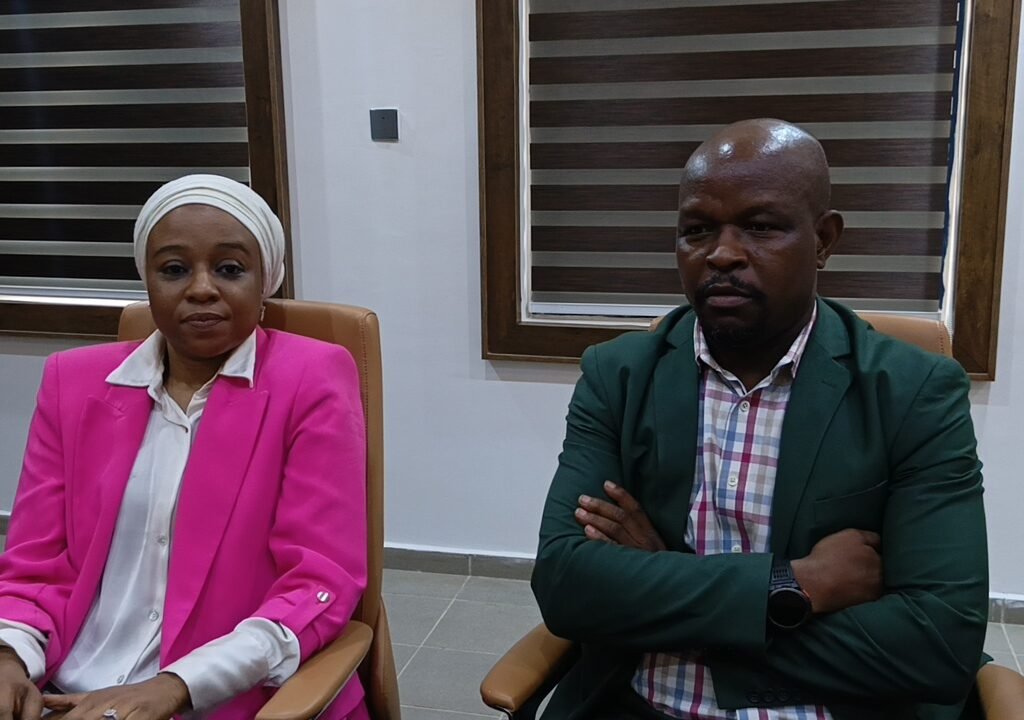
Earlier in his remarks, the Chairman of the NUJ FCT Council, Felix Ojo, commended Shaibu for what he described as his commitment to repositioning the institute.
Ojo said journalists have closely followed the activities and reforms being carried out by the institute and acknowledged the progress being made since the current leadership assumed office.
“We want to commend your doggedness. Since you came here, we have seen visible transformation and we have continued to report your activities both at the chapel level and at the council level,” he said.
He noted that the media has a critical role to play in promoting transparency and accountability in public institutions while also supporting initiatives that contribute to national development.
The NUJ chairman also expressed the willingness of the Correspondents Chapel to partner with the institute in promoting sports development and public awareness about sports programmes.
He added that journalists were also interested in visiting some of the sports facilities managed by the institute in order to better understand the challenges facing the sector and accurately inform the public.
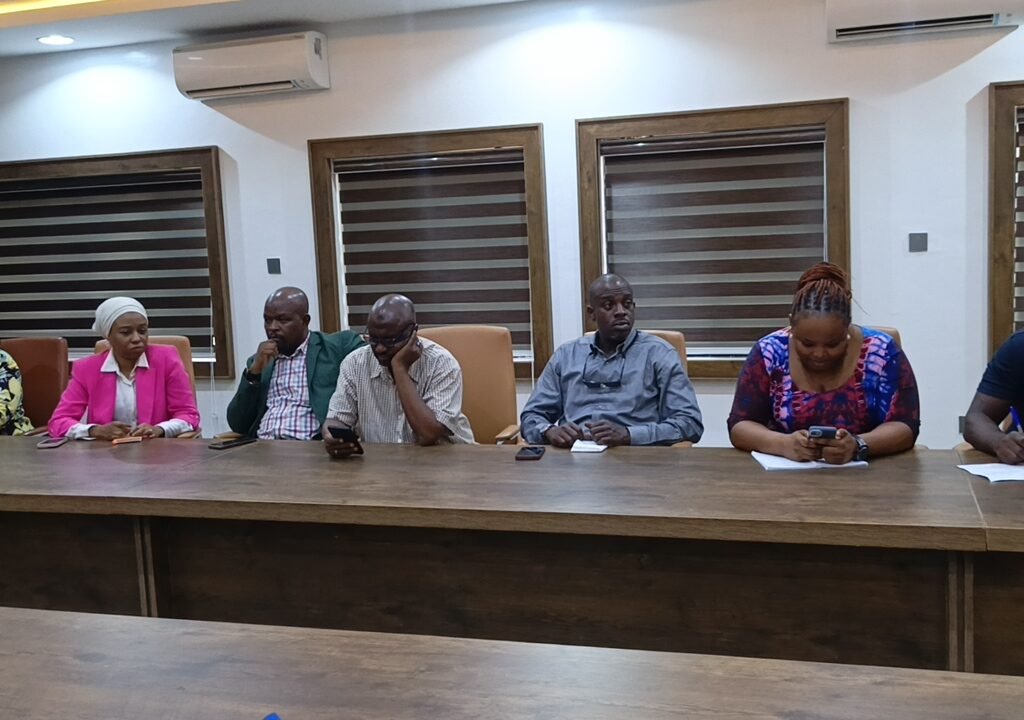
Shaibu welcomed the collaboration with the media, noting that partnership with journalists would help reposition Nigeria as a destination for sports tourism and economic growth through sports development.
He assured the delegation that the institute would continue to work with stakeholders in the sports industry and the media to restore the credibility and capacity of Nigeria’s sports institutions.