
By Gabriel Ameh
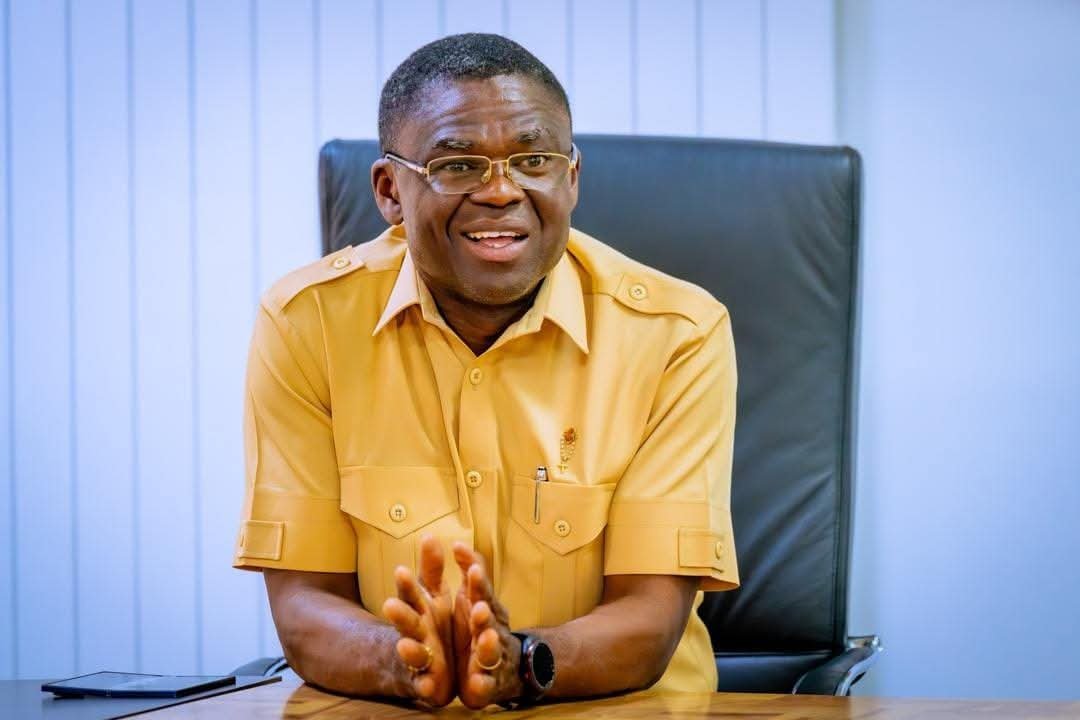
The Director-General and Chief Executive Officer of the National Institute for Sports (NIS), Comrade Philip Shaibu, has said Nigeria possesses the potential to become a major sports destination if stakeholders across the sector work together with purpose and unity.
Shaibu made the remark in Rabat, Morocco, following Nigeria’s 4–2 penalty shootout defeat to the host nation in the semi-final of the ongoing Africa Cup of Nations.
This was contained in a statement signed by Ben Ogbemudia Special Assistant, Media Office of the DG/CEO, National Institute for Sports (NIS)
According to the DG, he urged Nigerian sports administrators and policymakers to draw lessons from Morocco’s deliberate and sustained investment in sports infrastructure, describing the North African country as a new pace-setter in African sports development.
According to him, exposure to global best practices remains critical to national development in sports.
“I think we leaders in Nigeria, myself inclusive, should understand that travelling is also education. When we visit places like this, we should deliberately copy the good things we see and replicate them back home,” Shaibu said.
He commended Morocco’s massive progress in sports infrastructure, noting the visible transformation between Nigeria’s earlier engagements in the country and the present competition.
“Morocco has gone very far. From when we came for WAFCON till now, it is clear there is a deliberate effort to dominate Africa and also position itself globally in sports. The stadium we used for our World Cup qualifier is different from the one we played in yesterday. What I saw earlier was just the tip of the iceberg,” he stated.
Shaibu also praised the efficiency of infrastructure management around Moroccan stadiums, highlighting traffic control and road networks.
“It took us less than 30 minutes to exit the stadium despite the crowd. The road infrastructure and crowd control were excellent. This shows we still have a long way to go in Nigeria,” he added.
While acknowledging past efforts at sports development in Nigeria, the NIS boss criticised the failure to sustain and properly utilise existing facilities. He singled out the administration of former President Olusegun Obasanjo for its vision in building the Moshood Abiola National Stadium, Abuja, but lamented years of neglect.
“There was a clear vision at the time. But sustainability failed. Today, that stadium is no longer used for sporting activities as intended. This reflects years of poor management and a lack of seriousness by past sports administrators,” he said.
Shaibu also condemned what he described as unpatriotic conduct by some Nigerians during the semi-final match, alleging that tickets allocated to Nigerian supporters were resold to Moroccan fans.
“I was informed that tickets given to Nigerians were resold to Moroccans. Instead of supporting our team, some chose money over patriotism. The noise level in the stadium can unsettle even the most experienced players,” he noted.
He stressed that beyond leadership, Nigerians must also change their attitudes towards sports development and infrastructure if the country is to achieve its ambition.
“What we are seeing in Morocco is possible in Nigeria, but only if all of us leaders and citizens alike decide that we truly want Nigeria to become a leading sports destination,” Shaibu said.