
By Ameh Gabriel | Media360Impact
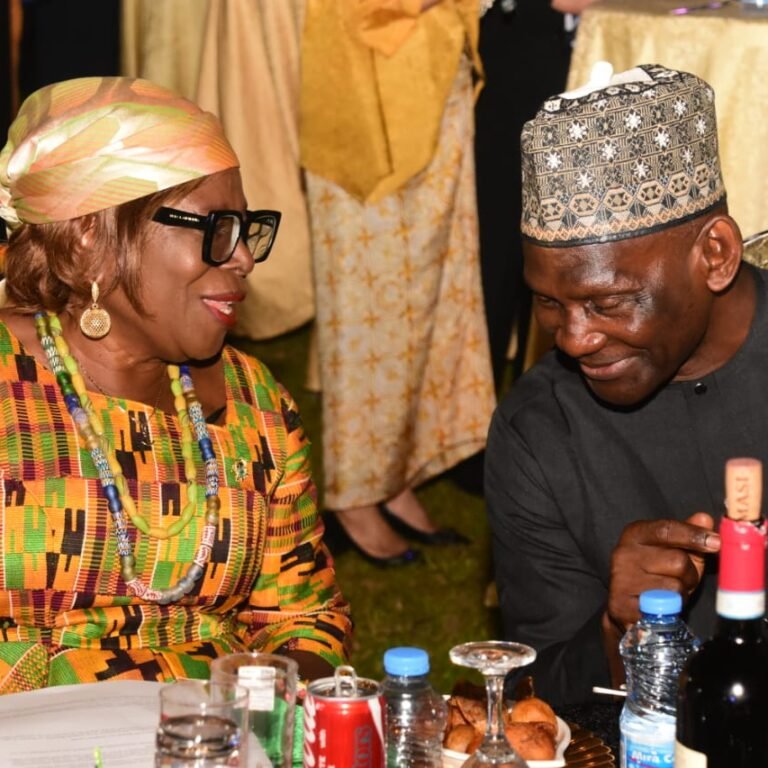
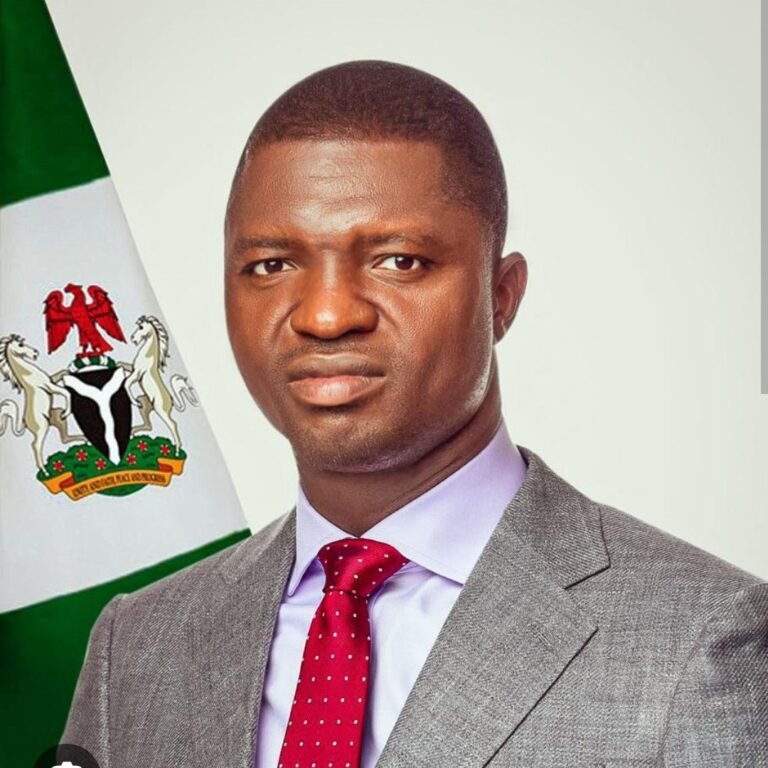
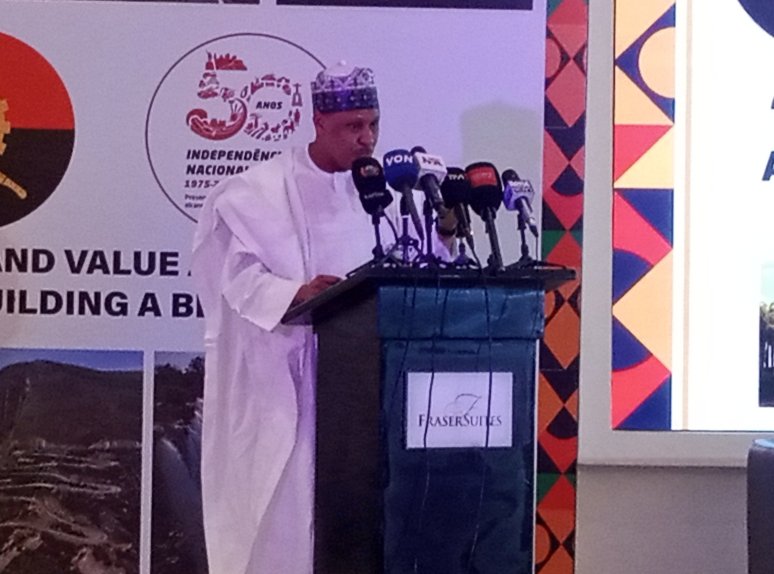
It was a moment of reflection, diplomacy, and celebration in Abuja as Nigeria’s Minister of Information and National Orientation, Mohammed Idris Malagi, joined the Ambassador of the Republic of Angola to Nigeria, His Excellency José Bamaquina Zau, and members of the diplomatic community to mark Angola’s 50th Independence Anniversary an event that evolved into a strong affirmation of African unity, mutual respect, and partnership.
The golden jubilee celebration, held in Abuja, brought together diplomats, military veterans, and senior officials who highlighted the enduring friendship between both nations and their shared commitment to peace, development, and continental solidarity.
Addressing the gathering, Minister Malagi called for calm, patriotism, and national unity in response to recent foreign commentaries that misrepresented Nigeria, particularly claims suggesting that the country does not uphold religious freedom.
“The President of the United States recently tried to characterize Nigeria as a country that does not respect religious freedom. Such portrayals are wrong and must be addressed through diplomatic channels,” Malagi said. “Yes, we have security challenges that affect people of all faiths, but that does not define our national identity. This is a time to think and behave as Nigerians.”
The Minister, who had earlier attended the Eurasian People’s Council meeting, said his presence at Angola’s anniversary was deliberate and symbolic, describing the event as a “celebration of Africa’s resilience and unity.” He paid tribute to African leaders, diplomats, and military officers whose sacrifices continue to shape the continent’s progress.
“These great gentlemen, the generals, the army officers, have helped shape the African continent,” Malagi said. “The spirit of brotherhood that once bound African countries must not be lost. We must reclaim that legacy of unity.”
He urged Nigerians—especially the media and political class to show restraint and responsibility in their reportage, warning against sensational narratives that deepen division.
“Our media must tell stories that strengthen our national unity, not those that tear it apart,” he cautioned. “If you fire the first shot, you don’t know when the last one will be fired.”
Reiterating that diplomacy, not confrontation, remains the government’s preferred path, Malagi appealed for collective patriotism.
“This is not a time for politics. This is a time for conscience, for dialogue, and for unity,” he stated.
In his goodwill message, Angola’s Ambassador José Bamaquina Zau praised the long-standing friendship between both nations, describing Nigeria as a steadfast ally and “big brother” in Africa’s collective journey toward peace and development.
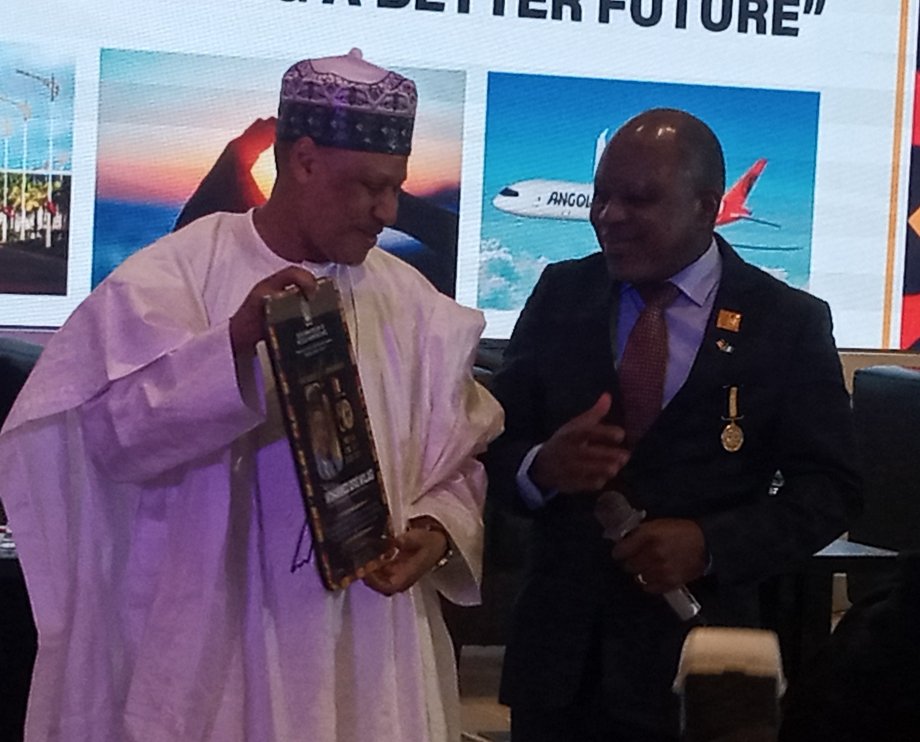
“Nigeria has always stood by Angola in times of conflict, in peacebuilding, and in our continued development journey. Our friendship is historic and unshakable,” Ambassador Zau said.
He commended Nigeria’s unwavering support during Angola’s civil war and post-conflict reconstruction, adding that both nations share a “common destiny defined by resilience, hope, and mutual respect.”
The ambassador also paid tribute to his predecessor, Ambassador Eustaquio Januario Quibato, for laying the foundation for stronger diplomatic and cultural ties, while reaffirming Angola’s commitment to deepen cooperation with Nigeria in trade, investment, security, and regional integration.
In an emotional highlight of the ceremony, a retired Nigerian military officer who served under the United Nations Verification Mission in Angola (UNAVEM III) in the 1990s recalled his experiences of solidarity and sacrifice during the civil war.
“Then, as a young major, my thoughts were to dodge bullets and bombs while wearing a blue beret to assure victims of war that the world cares,” he said, recalling Angola’s resilience through devastation. “Angola was a nation of hopeful people happy despite destruction, hunger, and danger. A people united by spirit and pride.”
He reflected on Angola’s transformation from a war-torn nation into one of Africa’s fastest-growing economies, praising its progress in infrastructure and its growing diplomatic role in Southern Africa and the Great Lakes region.
“For a nation with such a history of war, Angola today is a proud and effective regional pillar for peace, stability, and development,” he said.
As the celebration drew to a close, Minister Malagi reaffirmed Nigeria’s leadership as a stabilising force in Africa and a defender of continental dignity.
“Nigeria is not just a country; it is a symbol of Africa’s hope. The world must recognize what Nigeria truly represents a diverse yet united nation,” he said.
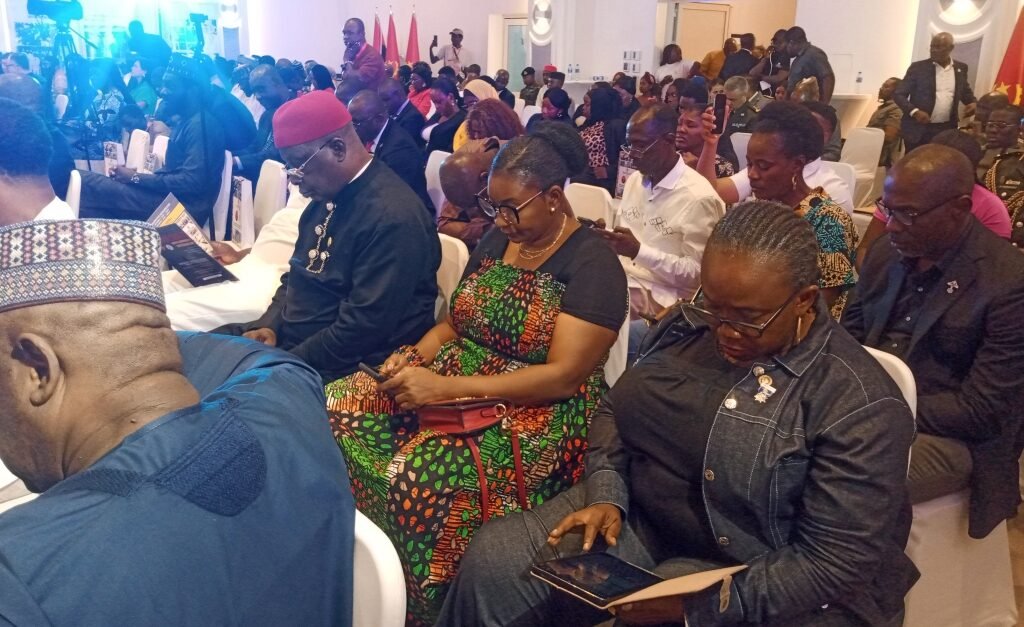
He expressed appreciation to the diplomatic corps and African partners present, describing their solidarity as evidence of “Africa speaking with one voice.”
The event ended on a note of joy and shared pride as guests toasted to Angola’s golden jubilee and Nigeria’s continuing leadership in promoting peace, unity, and the African spirit.
“Viva Nigeria! Viva Angola! Viva Africa!” echoed through the hall a powerful reminder that despite global challenges, the bonds of African brotherhood remain unbreakable.