

By Ameh Gabriel | Abuja
The Ambassador of the Republic of Angola to Nigeria, His Excellency José Bamaquina Zau, has lauded the enduring friendship between Angola and Nigeria, describing the relationship as one rooted in solidarity, shared struggles, and a deep sense of African unity.
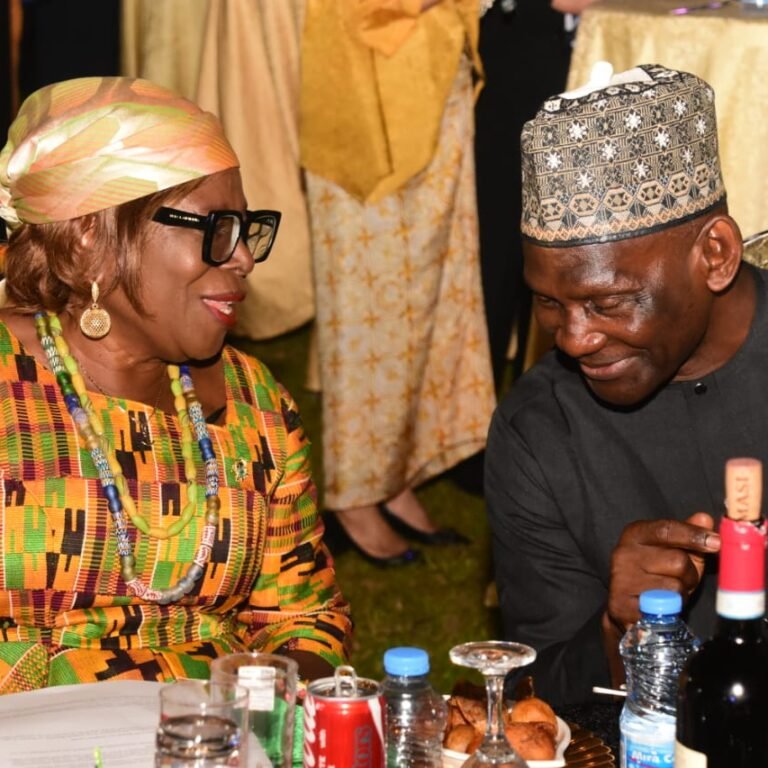
Speaking at a colourful event in Abuja to commemorate Angola’s 50th Independence Anniversary, Ambassador Zau expressed profound gratitude to Nigeria for its steadfast support during Angola’s civil war and post-conflict reconstruction years.
“Nigeria has always stood by Angola in times of conflict, in peacebuilding, and throughout our development journey. Our friendship is historic and unshakable,”
the envoy declared.
He acknowledged his predecessor, Ambassador Eustaquio Januario Quibato, for strengthening the diplomatic bridge between both nations, and reaffirmed Angola’s commitment to expanding cooperation with Nigeria in trade, investment, security, and regional integration.
Tributes of Solidarity and Friendship
In one of the most emotional highlights of the celebration, a retired Nigerian military officer and former United Nations Military Observer who served in Angola during the country’s turbulent 1990s, shared heartfelt memories of courage, friendship, and hope.
He began by expressing deep appreciation to Ambassador Zau and former Ambassador Quibato for their warmth and respect toward Nigeria and its people.
“Firstly, can I give praise to Ambassador Eustaquio Januario Quibato, who initiated my lasting relationship with this embassy and made me an honorary friend,” he said.
“I must also appreciate Ambassador José Bamaquina Zau, who accords me far more respect than I deserve, even as the representative of the great people of Angola.”
He also saluted senior dignitaries and guests present, describing them as “iconic personalities whose reputations transcend Nigeria, Africa, and the global diplomatic and military landscape.”
Memories from Angola’s Civil War
Reflecting on his service under the United Nations Verification Mission III (UNAVEM III) in 1995, the retired officer recalled the devastating impact of the civil war that lasted nearly three decades from 1975 to 2002.
“Then, as a young major, my thoughts like any youthful soldier’s were to go dodge bullets and bombs wearing a blue beret, to assure victims of war that the world cares,” he said.
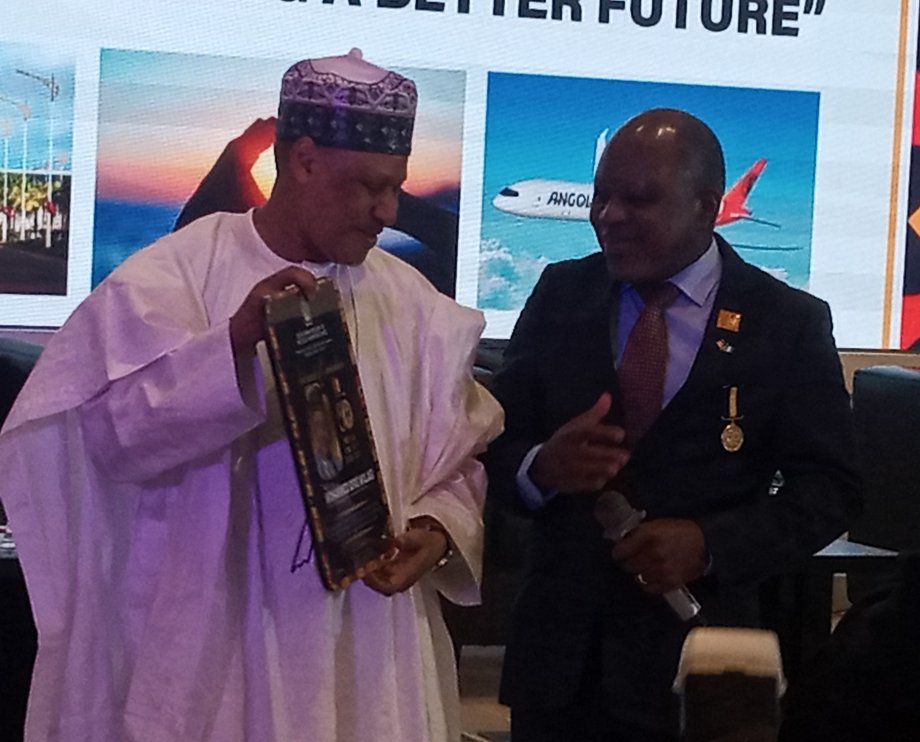
He recounted how the UN mission supervised the Lusaka Protocol, overseeing disarmament, demobilisation, reintegration (DDR), and the resettlement of displaced persons. Despite the widespread destruction, he described the Angolan people as remarkably resilient and hopeful.
“Angola was a nation of hopeful people happy in spite of destruction, hunger, and danger. United by food, music, and a resilient spirit,” he said.
“One thing that stood out was their calm valour and dogged hope for the future.”
A Journey of Rebirth and Progress
The veteran noted Angola’s remarkable transformation from a war-torn nation to one of Africa’s fastest-growing economies and a model of post-war recovery.
“For a nation once ravaged by conflict, Angola today stands tall as a pillar of peace, stability, and development,” he said.
He highlighted milestones such as the modern Luanda International Airport, the Lobito Corridor regional trade route, and the country’s expanding infrastructure, powered by sustained investment and visionary leadership.
“When I transited through Luanda last year on TAAG Airlines, I saw a new airport a world-class facility far removed from the UN-era Luanda Airport of the 1990s,” he recalled.
He also commended Angola’s regional peace diplomacy, particularly its mediation efforts in the Democratic Republic of Congo–Rwanda conflict through the Luanda Process, describing Angola as a “victim of war turned advocate of peace.”
“My memories of Angola and its beautiful people are unforgettable. Angola will always remain no meu coração in my heart,” he declared to resounding applause.
“Viva Nigeria! Viva the great nation of Angola on your 50th Independence Anniversary!”
A Golden Jubilee of Resilience and Renewal
Angola gained independence from Portugal on November 11, 1975, marking the start of a bold new chapter in its history. Despite nearly three decades of civil conflict, the country has emerged as a leading oil producer, a growing trade hub, and a vital voice in African diplomacy.
As it celebrates 50 years of sovereignty, Angola stands as a symbol of resilience, reconciliation, and renewal — and a steadfast partner to Nigeria in building a peaceful and prosperous continent.
“Nigeria and Angola share more than diplomatic ties,” Ambassador Zau concluded.
“We share history, friendship, and a common dream for Africa.”