
By Ameh Gabriel Media360Impact
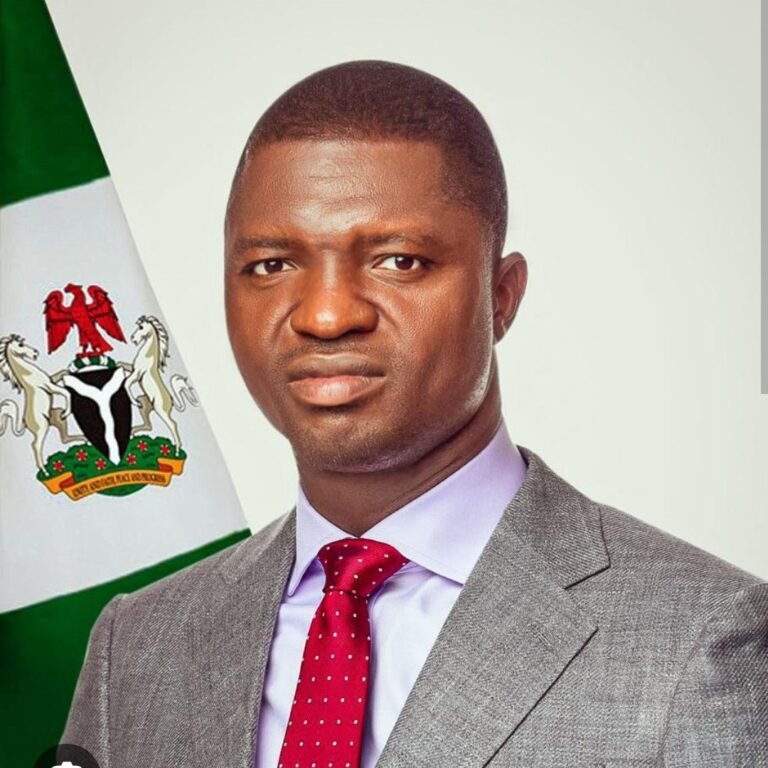
In a bold move to elevate Nigeria’s cultural assets to the global stage, Director-General of the National Gallery of Art, Ahmed Bashir Sodangi, has announced a major partnership with Google Arts & Culture to digitize and exhibit the nation’s rich art collection online.
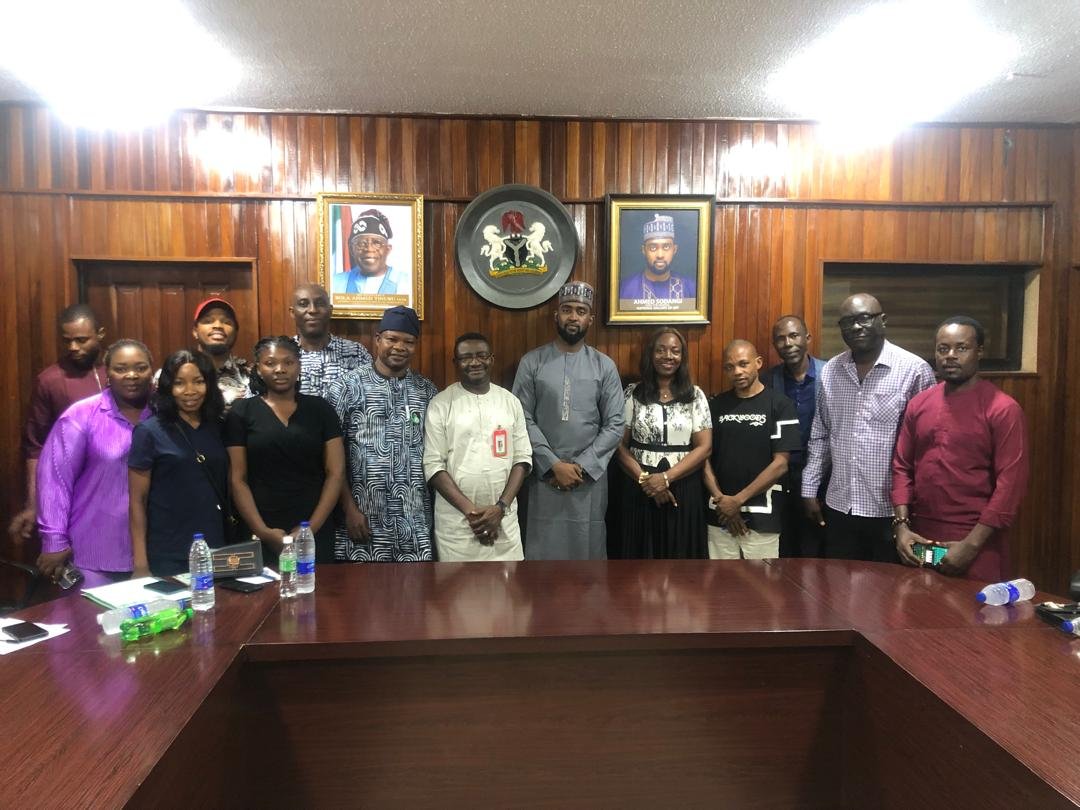
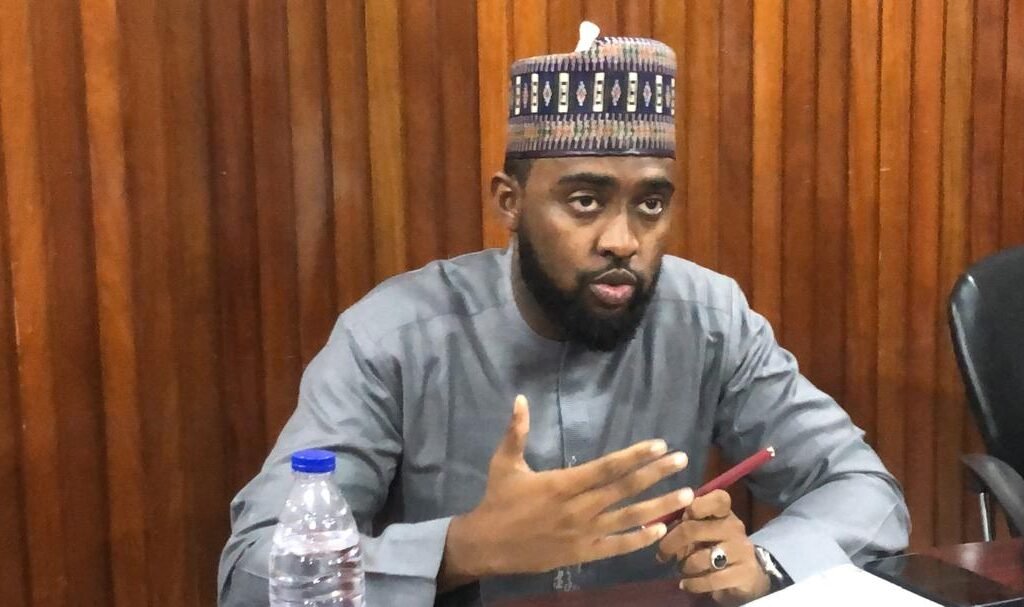
Speaking at a media engagement in Abuja, Sodangi said the initiative marks a turning point in how the nation perceives and preserves its artistic heritage, especially at a time when most of the National Gallery’s collections remain in storage and largely unknown to the public.

“If we don’t have physical infrastructure to exhibit, let’s digitize. And that’s why this collaboration with Google is crucial,” he explained.
The DG revealed that, beginning Friday, August 1st, the Gallery will receive the first official inventory of its national collection from a joint effort with the Goethe Institute and other international partners. The initiative, he said, will ensure proper documentation, preservation, and online access to Nigeria’s most important cultural artifacts.
Sodangi also highlighted collaborations with African Arts Johannesburg and local stakeholders, aimed at repositioning the gallery from a passive agency to a dynamic driver of cultural policy and creative economy.
“Our mandate goes beyond holding exhibitions. We must set the direction for arts in Nigeria. We should be policy leaders – not spectators,” he asserted.
He criticized Nigeria’s long-standing neglect of cultural infrastructure, citing the absence of a dedicated gallery complex that meets international standards.
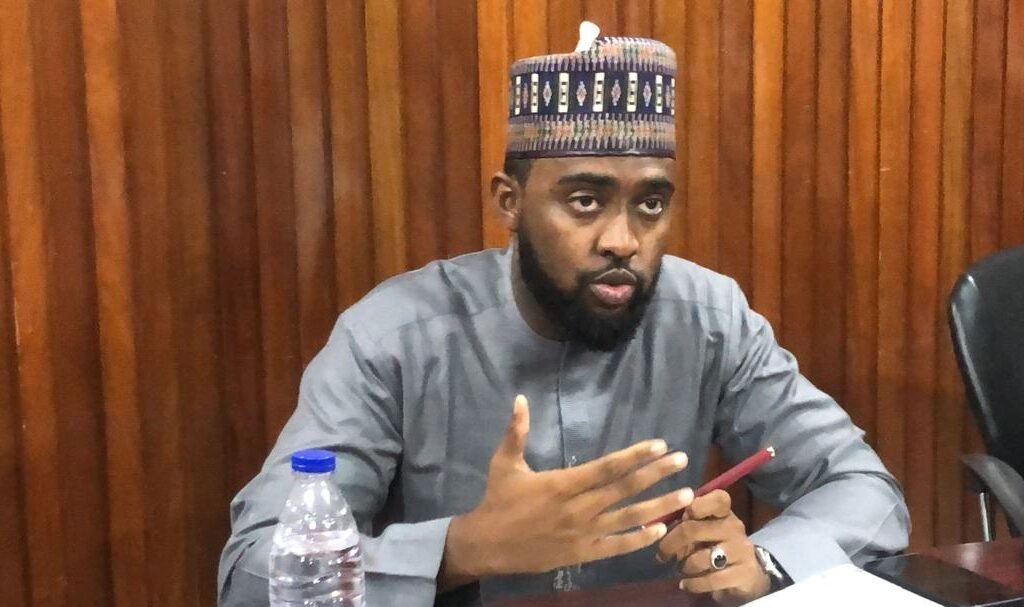
“What value does a gallery offer if it cannot lead or support the ecosystem? We lack infrastructure, and that has always been the biggest challenge. Every DG before me has dreamed of this edifice, it’s time we made it happen,” he stressed.
The DG also revealed the National Art Renaissance Program, which focuses on renewing the identity and relevance of the National Gallery while amplifying its visibility both home and abroad. The program includes supporting young, emerging artists and leveraging technology to increase access and engagement.
In terms of internal growth, Sodangi said the Gallery had signed several strategic MOUs in the last year that are beginning to yield impact. He called on media practitioners to amplify these efforts and bridge the communication gap between the cultural sector and the general public.
“There’s no synergy in our narratives, and that’s why a lot of groundbreaking work by our colleagues go unnoticed. I believe the media should be the vehicle for driving this new story of the arts,” he said.
Sodangi assured that the National Assembly is also more open to supporting the creative sector and urged stakeholders to remain focused on pushing a unified policy agenda that promotes Nigeria’s cultural heritage, artistic innovation, and economic sustainability.