

By Gabriel Ameh
Ikot Ekpene, Akwa Ibom State.
The Independent National Electoral Commission (INEC) has commenced a comprehensive review of its Regulations and Guidelines for Political Parties, signaling a fresh push to tighten party operations and strengthen compliance ahead of the 2027 General Election.
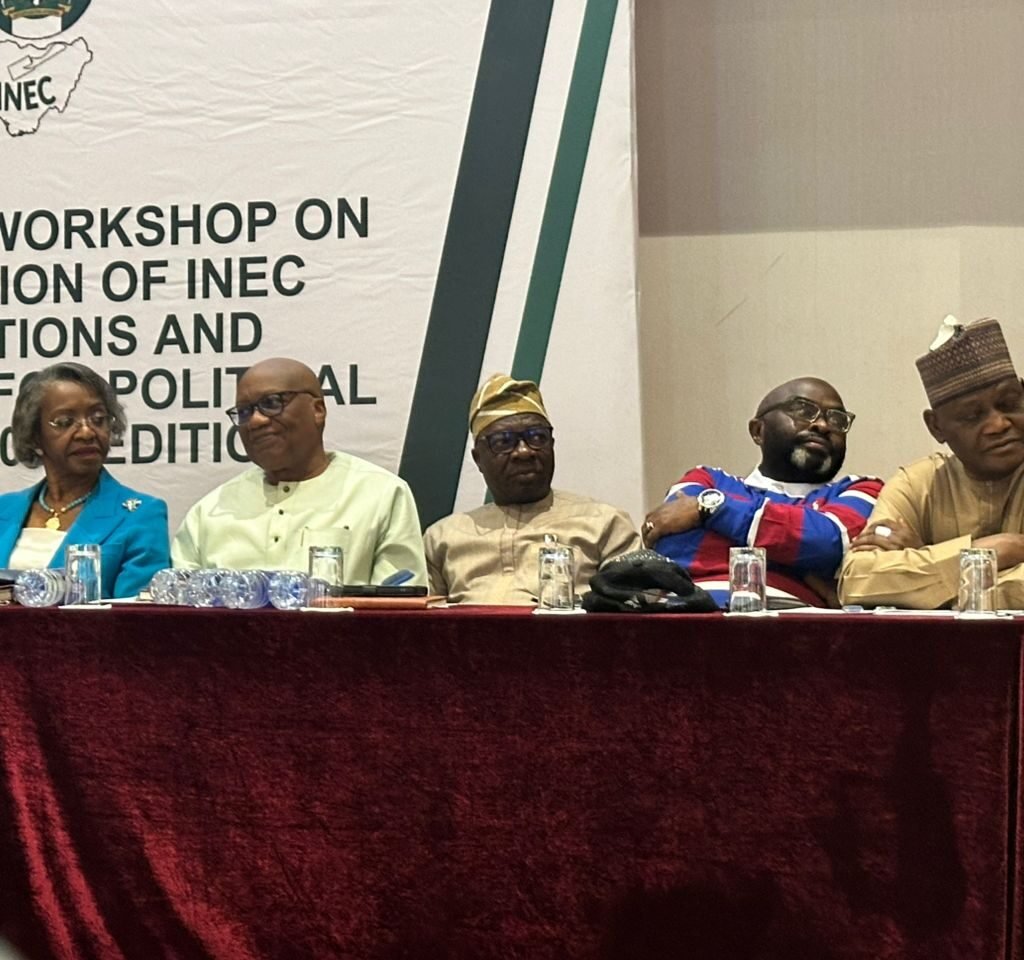
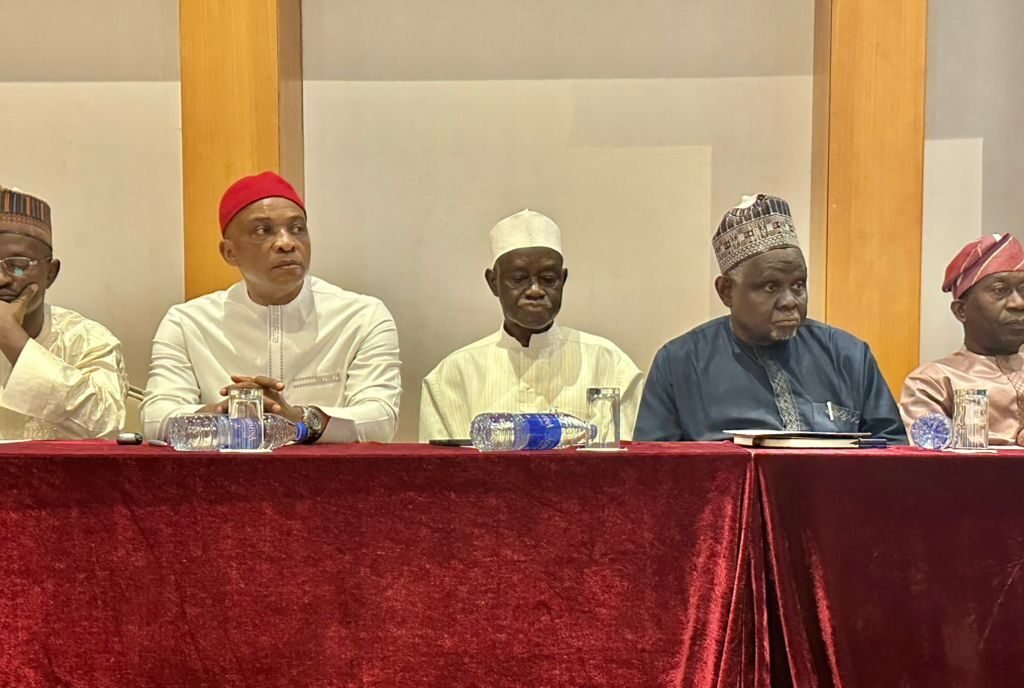
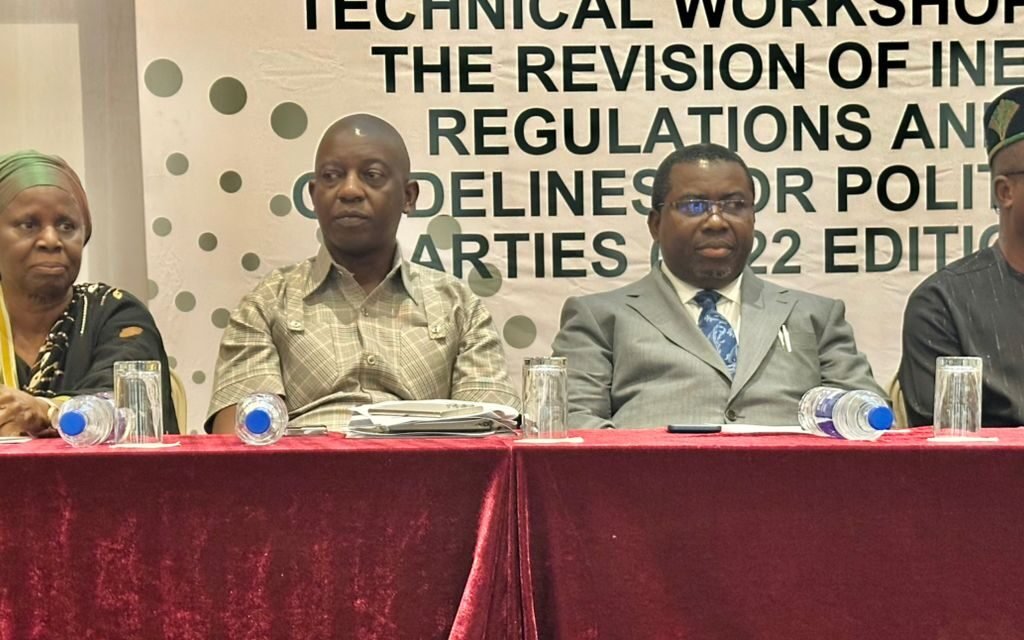
The three-day technical workshop, which began on March 4, 2026, is supported by the Westminster Foundation for Democracy (WFD) and follows the recent enactment of the Electoral Act 2026, alongside the release of the Commission’s revised timetable for the 2027 polls.
Aligning With a New Legal Framework
Opening the session, INEC Chairman, Joash Amupitan, SAN, described the exercise as a necessary institutional realignment designed to harmonise the Commission’s regulatory framework with the new electoral law.
He noted that the Electoral Act 2026, signed into law in February, has recalibrated statutory timelines and compressed the operational window for electoral activities.
Under the revised schedule, Presidential and National Assembly elections will hold on January 16, 2027, while Governorship and State Assembly elections are fixed for February 6, 2027.
According to Amupitan, the review goes beyond administrative updates and aims to embed stronger accountability mechanisms within party operations.
“We are aligning our Regulations and Guidelines with the 2026 Act to ensure that our electoral architecture is not only robust in theory but strong in practice,” he stated.
Focus on Party Primaries and Internal Democracy
A central focus of the reform is the conduct of party primaries, scheduled between April 23 and May 30, 2026.
The INEC Chairman warned that opaque nomination processes often trigger voter apathy and pre-election litigation, which can destabilise the broader electoral process.
He also raised concerns over recurring leadership disputes within political parties, many of which end up in court and frequently involve INEC as a litigant.
While reaffirming the Commission’s neutrality, Amupitan stressed that compliance would be enforced firmly and consistently.
Stricter Standards Ahead
The proposed 2026 revised Guidelines are expected to introduce more stringent benchmarks in areas such as:
Membership documentation
Financial transparency
Inclusion of women, youth, and Persons with Disabilities (PWDs)
Campaign finance reporting
The Chairman anchored the Commission’s authority on constitutional and statutory provisions, assuring stakeholders that INEC would remain guided strictly by law in safeguarding the integrity of the electoral process.
“The sovereign will of the Nigerian people must remain sacrosanct from the point of candidate nomination to the final declaration of results,” he said.
Stakeholder Support
Also speaking, National Commissioner and Chairman of the Election and Party Monitoring Committee (EPMC), Baba Bila, described the review as strategic and timely, noting that it is the first major regulatory update following the passage of the Electoral Act 2026.
The Country Director of WFD Nigeria, Adebowale Olorunmola, reaffirmed the organisation’s technical partnership with INEC and stressed the need for improved guidelines to fully operationalise the new law.
According to the Commission, the outcome of the review will produce a clearer and more coherent regulatory framework to guide political parties and strengthen the credibility of the 2027 General Election