
Irene Nwachukwu
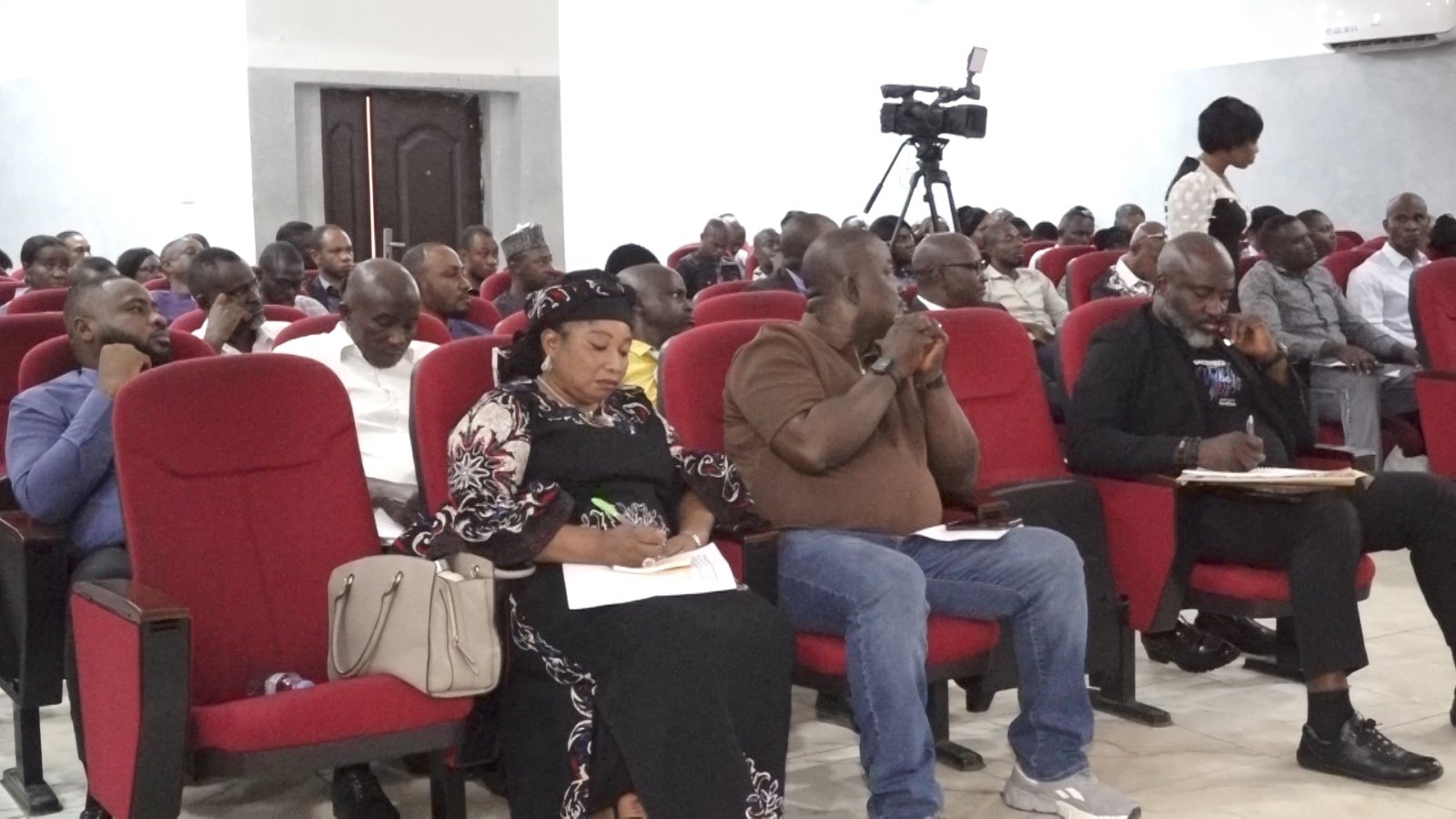
The Federal Capital Territory Administration (FCTA) has sensitised hundreds of food vendors, hoteliers, quarry operators, plaza owners and bank operators on measures to improve public health, food safety and environmental standards across the nation’s capital.
The sensitisation programme, held on Tuesday in Abuja, was designed to provide medical and hygiene guidance to business owners, promote a clean environment and ensure seamless revenue collection without disrupting business activities.
Speaking at the event, the Director of the Public Health Department, Dr Dan Gadzama, described stakeholders in the food and hospitality sector as key drivers of gastronomy, tourism and community wellbeing. He stressed the shared responsibility of ensuring that food served to the public and the environments in which services are rendered meet the highest safety and hygiene standards.
Dr Gadzama, who was represented by Dr Ngozi Azuka, said the meeting provided an opportunity to strengthen collaboration between government and industry, enforce safety regulations and build consumer confidence. She added that regulators remain partners, committed to supporting businesses through guidance, training and constructive engagement to make the FCT a model of public health excellence.
According to him, the forum also served as a platform to brainstorm on challenges affecting businesses and regulators, and to develop lasting solutions while clarifying mutual responsibilities ahead of the coming year.
The Director of Enforcement, FCTA, Barrister Ojo Adewale, disclosed that over 400 business owners were invited to the programme to enlighten them on their obligations to the FCTA and the legal framework guiding environmental and food safety.
He explained that the FCT operates a food safety programme under which environmental health officers inspect facilities and conduct medical screening of food handlers to ensure they are fit to handle food meant for public consumption.
However, the Deputy Director of Enforcement identified interference by area councils as a major challenge, alleging that councils such as the Abuja Municipal Area Council (AMAC) impose levies on businesses, leading to multiple taxation contrary to existing laws.
He noted that the FCTA is working with stakeholders, including government agencies, private sector operators, healthcare providers and food industry players, to ensure environmental safety and safeguard public health in the FCT.
The event featured paper presentations and interactive question-and-answer sessions focused on creating a safer and healthier business environment in the nation’s capital.