

By Gabriel Ameh
The Independent National Electoral Commission (INEC) has called on media professionals to intensify voter education, maintain professionalism, and uphold ethical standards in their coverage as preparations intensify for the February 21, 2026, Federal Capital Territory (FCT) Area Council Elections.
The appeal was made on Tuesday, February 3, 2026, in Abuja during a media forum convened by the Commission for executives, producers, reporters, and on-air personalities as part of its stakeholder engagement ahead of the polls.
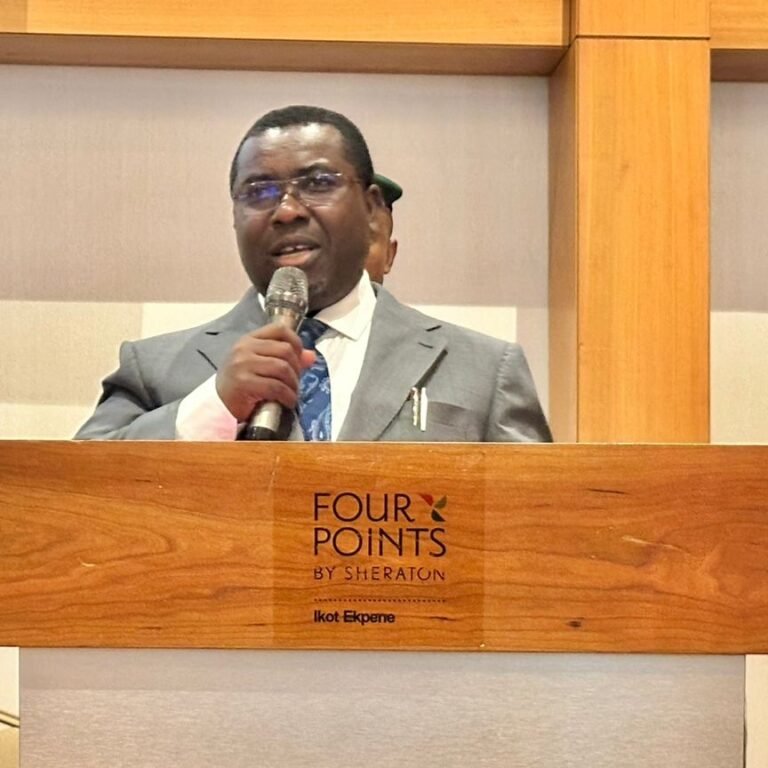
Addressing participants, the Supervising National Commissioner for the FCT and Chairman of the Information and Voter Education Committee (IVEC), Malam Mohammed Haruna, emphasised the pivotal role of the media in protecting Nigeria’s democracy. He noted that responsible reporting and voter participation are central to the credibility of elections.
Haruna urged media organisations to deploy their platforms to educate and mobilise eligible voters, stressing that effective election coverage requires sound knowledge of the Constitution, the Electoral Act, INEC’s regulations, and strict adherence to the Code of Conduct for Election Coverage.
While acknowledging that journalists may hold personal views, he cautioned that such opinions must never compromise objectivity and professionalism. According to him, democracy flourishes when the media prioritises public interest over partisanship.
Providing updates on INEC’s readiness, the National Commissioner disclosed that 10 out of 13 key activities in the election timetable had been completed. He cited the publication of the final Register of Voters on January 14, 2026, which has been distributed to all participating political parties.
He added that the remaining activities include the publication of the Notice of Poll on February 7, the close of campaigns on February 19, and Election Day on February 21.
Haruna further noted that although not listed in the timetable, accreditation of observers and journalists remains a key preparatory step. While the observer portal has closed, he said the media accreditation portal remains open until February 8, urging media organisations yet to apply to do so promptly.
On logistics, he revealed that INEC has procured and batched all non-sensitive materials across the six Area Councils, 62 Wards, and 2,822 Polling Units in the FCT. Sensitive materials such as ballot papers and result sheets, he said, will be printed and formally received from the Central Bank of Nigeria (CBN), FCT Branch, on February 18 in the presence of party agents, security agencies, civil society organisations, and the media.
He also confirmed that sufficient Bimodal Voter Accreditation System (BVAS) machines are being configured for deployment across all polling units.
Haruna explained that although Area Council elections resemble Local Government elections conducted by State Independent Electoral Commissions, Section 299 of the Constitution mandates that the FCT be treated “as if it were one of the States of the Federation.”
“In practical terms, FCT Area Council elections are conducted like governorship elections,” he said, noting that the FCT’s voting population exceeds those of Bayelsa and Ekiti States, while its status as Nigeria’s political capital attracts both national and international attention.
He stressed that as the first FCT Area Council election following the extension of council tenure from three to four years under the Electoral Act, INEC is determined to ensure a free, fair, and credible poll.
In his welcome remarks, the FCT Resident Electoral Commissioner (REC), Malam Aminu Kasimu Idris, described the forum as a strategic engagement aimed at strengthening collaboration between INEC and the media.
He noted that public confidence in elections is shaped not only by how the process is conducted but also by how it is communicated, adding that INEC’s commitment to transparency and inclusiveness requires a responsible media.
The REC listed several activities already undertaken by the Commission, including monitoring party primaries, publishing final lists of candidates, campaign monitoring, batching of materials, BVAS activation, stakeholder engagements, voter sensitisation, collaboration with security agencies, and training of election security personnel.
He disclosed that INEC had approved the replacement of the All Progressives Congress (APC) candidate for Igu Ward in Bwari Area Council following the death of the initial candidate, Zachariah James Danbaki, with Danbaki Titus named as the replacement.
Idris also announced that INEC will conduct a mock accreditation exercise in 289 selected polling units across the six Area Councils to test election technologies, including BVAS accreditation, voting procedures, and dummy uploads to the INEC Result Viewing (IReV) portal. He urged the media to give the exercise wide publicity.
On voter statistics, the REC revealed that the FCT now has 1,680,315 registered voters following the latest register revision. He added that large Registration Area Centres (RACs) in parts of Bwari and Abuja Municipal Area Council (AMAC) have been decongested to improve efficiency on Election Day.
He further clarified that elections will not hold in four polling units three in Garki Ward and one in Jiwa Ward due to the absence of registered voters.
In a goodwill message, the Chairperson of the Nigeria Union of Journalists (NUJ), FCT Council, Ms. Grace Ike, commended INEC for the timely engagement, noting that misinformation spreads rapidly during election periods.
She urged journalists to prioritise accuracy over speed, avoid hate speech, ensure balance and fairness, and uphold professionalism in their coverage.
Ike also called for the protection and safety of journalists, appealing to INEC, security agencies, political actors, and their supporters to respect media personnel and safeguard their equipment before, during, and after the elections.
She stressed the need for sustained transparency and effective communication from INEC to prevent rumours and the spread of fake results, noting that information gaps often fuel misinformation.