By Chioma Favour
In a renewed show of commitment to Nigeria’s democratic development, the European Union has deployed a high-level Election Follow-Up Mission (EU EFM) to assess the state of electoral reforms ahead of the 2027 general elections.
The mission, led by Barry Andrews, a Member of the European Parliament (MEP) and former Chief Observer of the EU Election Observation Mission (EU EOM) 2023, is in Nigeria from September 9 to October 8, 2025, following an invitation from the Independent National Electoral Commission (INEC).
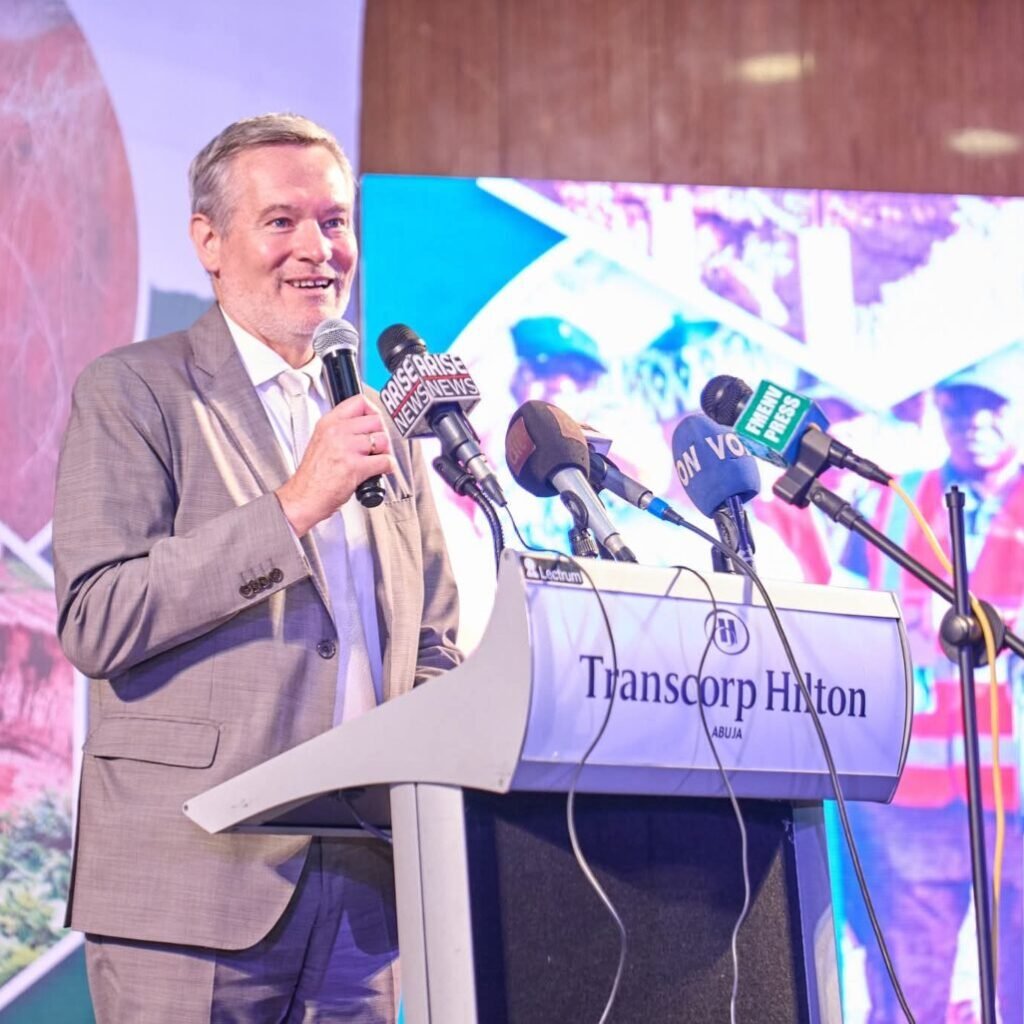
At the core of the visit is a review of progress made in implementing the EU EOM’s 2023 recommendations, which aim to strengthen transparency, inclusivity, and credibility in Nigeria’s electoral process.
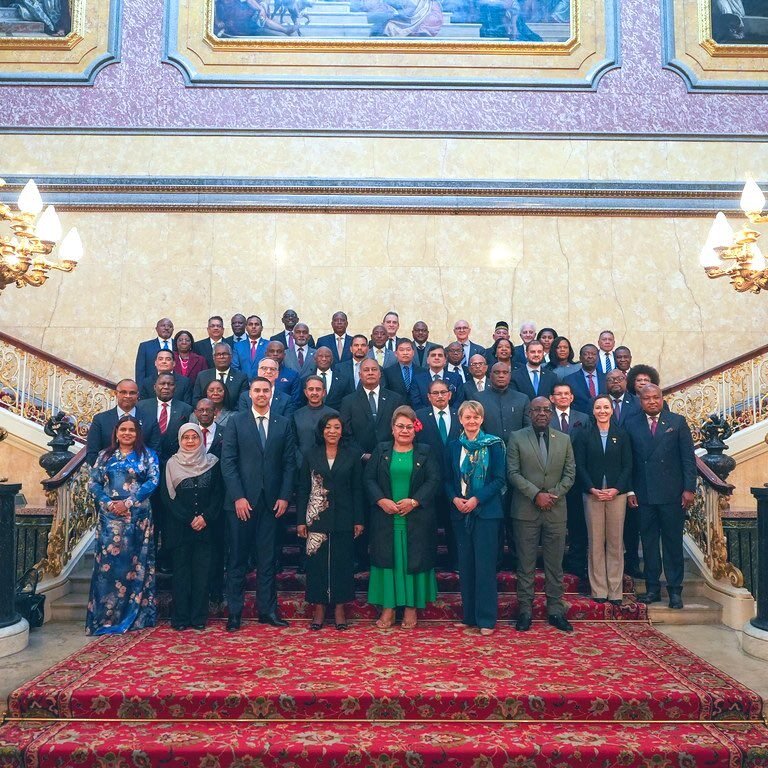
During its visit, the EU delegation engaged with a broad spectrum of stakeholders, including INEC officials, members of the National Assembly, political party representatives, civil society organizations, media practitioners, and international development partners.
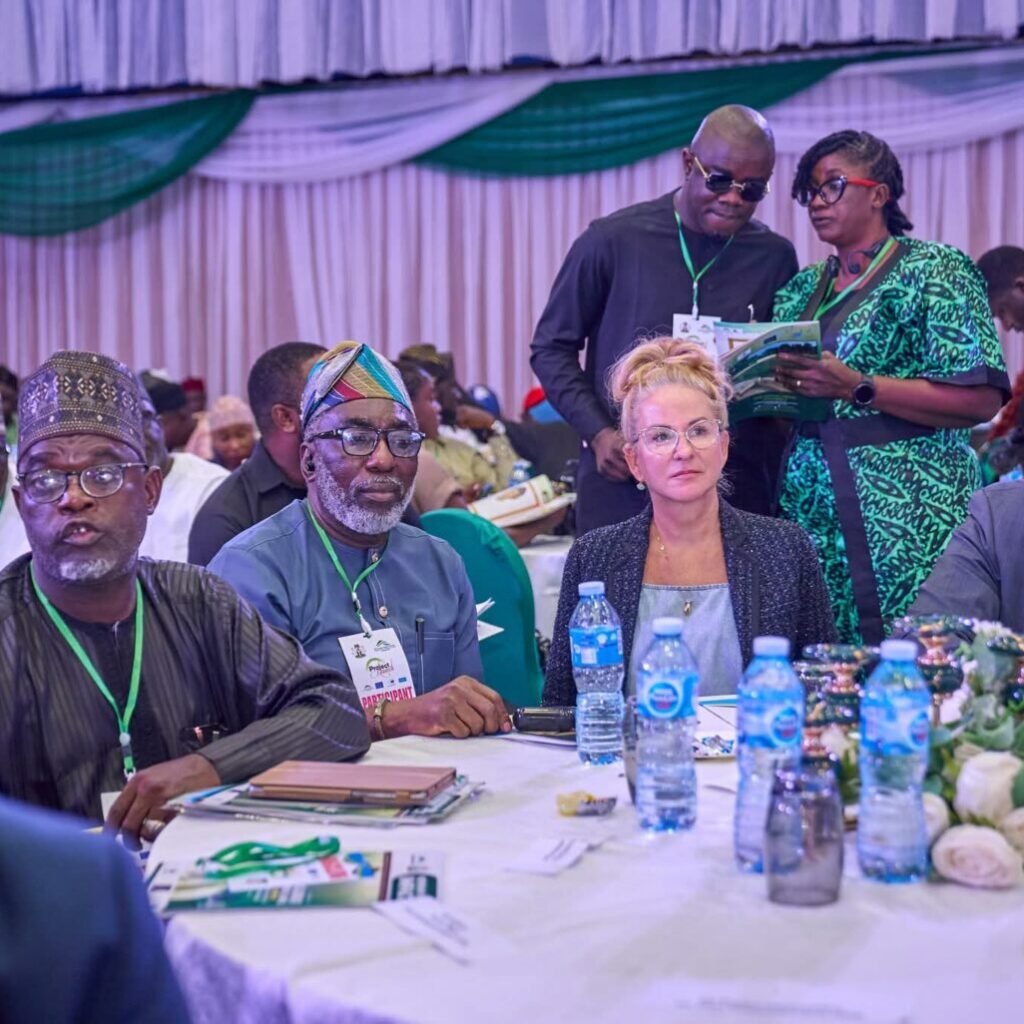
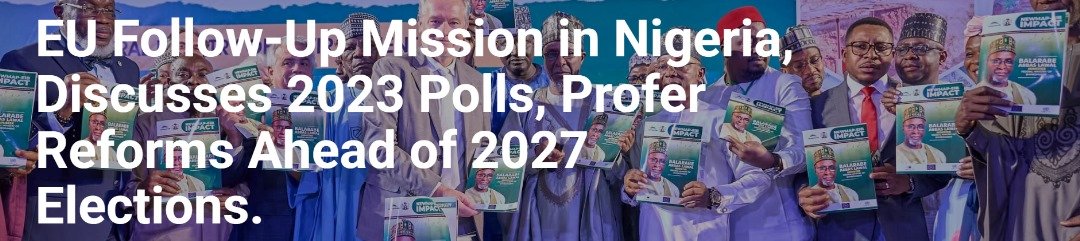
One of the key engagements was a stakeholder roundtable in Abuja, where participants assessed the level of awareness and implementation of the EU’s recommendations, discussed reform priorities, and explored opportunities for further improvements before the 2027 elections.
Speaking at the event, Mr. Andrews emphasized the need for sustained political commitment and institutional cooperation to ensure progress.
“This mission is not just a follow-up exercise. It represents our ongoing partnership with Nigeria in deepening democratic processes. We are here to listen, support, and encourage all stakeholders to ensure credible and inclusive elections,” he stated.
INEC officials at the session highlighted steps already taken to improve election management, including enhancements in electoral technology and stronger inter-agency coordination.
However, civil society and media representatives expressed concern over delays in legislative reforms and the limited reach of voter education efforts, especially in rural and underserved areas.
Lawmakers present acknowledged the urgency of reform but pointed to competing national priorities and limited time before the 2027 election cycle intensifies.
A political party representative, who preferred anonymity, remarked:
“Many of the recommendations are valid and necessary, but progress is slow. Without firm commitment from the highest levels, we risk repeating old challenges.”
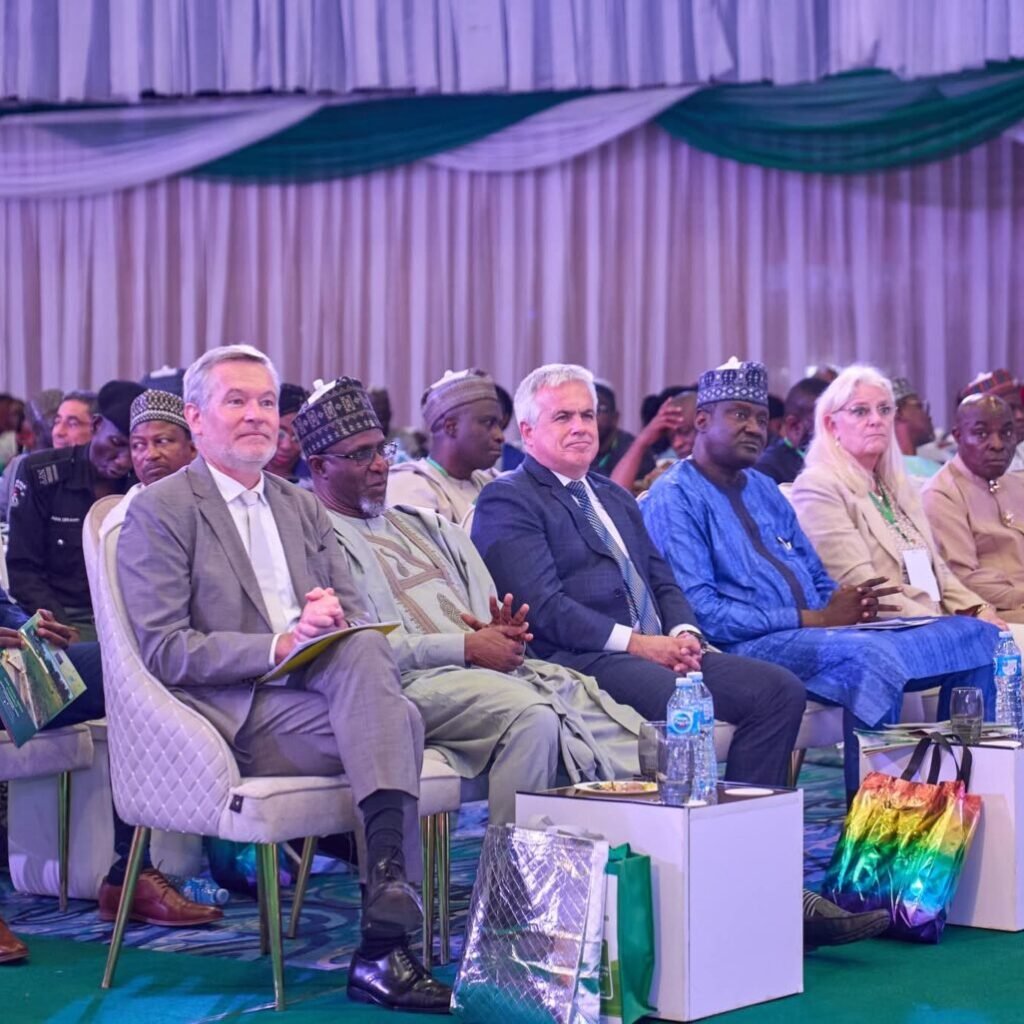
The roundtable also featured a photo exhibition showcasing the diversity of stakeholders engaged in Nigeria’s reform process, underscoring the EU mission’s focus on inclusive dialogue.
The EU Follow-Up Mission is expected to release a final report at the end of its stay, offering an independent assessment of Nigeria’s progress and recommendations for further action.
With just over a year before political primaries begin, observers note that the window for meaningful electoral reform is narrowing yet still open. Many Nigerians hope the EU’s renewed engagement will spur accountability and sustained action toward credible elections in 2027.