
By Gabriel Ameh
Abuja | Media Report
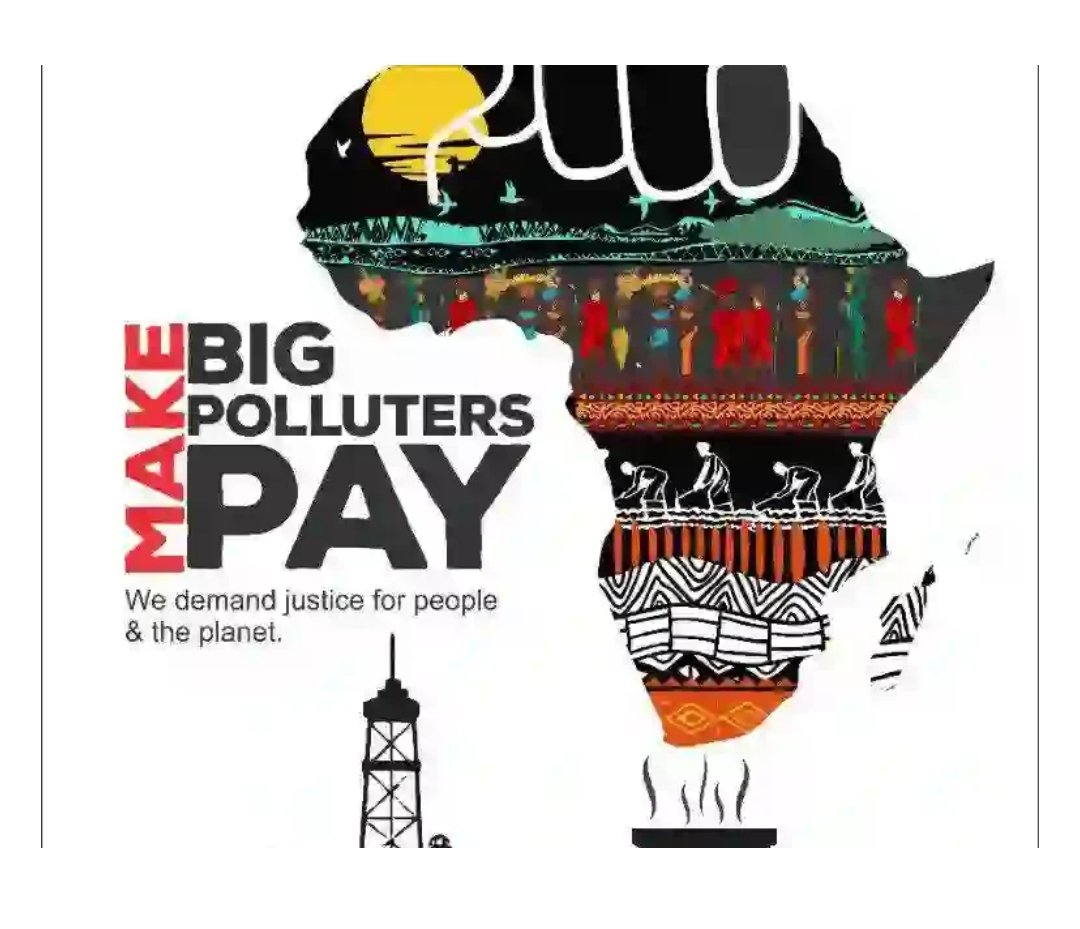
As the world marks Earth Day 2026, the Africa Make Big Polluters Pay (MBPP) Coalition has called on governments and global institutions to take urgent and decisive action to tackle the worsening climate crisis and protect Africa’s fragile ecosystems.
In a statement released on Wednesday, the coalition said this year’s theme, “Our Power, Our Planet,” reflects the growing reality that climate change is no longer a distant threat but an immediate and escalating emergency.
The group highlighted the severe environmental challenges already confronting the continent from biodiversity loss and extreme heat to erratic rainfall, rising sea levels, and climate-induced displacement.
According to the coalition, Africa continues to bear the brunt of climate change despite contributing the least to global emissions, a situation it described as unjust and unsustainable.
The MBPP Coalition cautioned against turning Africa into a testing ground for carbon offset schemes and externally imposed climate solutions that fail to address structural inequalities. It also warned against the exploitation of African land and resources under the guise of green energy transitions and mineral extraction.
Reaffirming the Polluter Pays Principle, the coalition demanded accountability from major fossil fuel corporations, including Shell, Chevron, and ExxonMobil, particularly for their operations in Nigeria’s Niger Delta. It also raised concerns over the environmental impact of industrial activities by foreign companies in regions such as the Congo.
“As exploitation of Africa’s resources grows, the earth’s climate continues to deteriorate,” the coalition stated, calling for an immediate halt to new fossil fuel exploration and a clear, time-bound phase-out of existing infrastructure.
The group further advocated for governance frameworks that prioritise ecological sovereignty and the rights of local communities, especially Indigenous populations who serve as custodians of natural ecosystems.
Rejecting the commodification of nature, the coalition criticised carbon markets, biodiversity offsets, and other financial mechanisms that, it argued, allow developed nations to continue polluting while shifting environmental burdens onto the Global South.
It stressed that ecosystems including forests, wetlands, soils, and oceans must be protected as living systems rather than treated as tradable assets.
The coalition also drew attention to the critical role of soil in food security, carbon storage, and ecological balance, warning that industrial agriculture, mining, and poorly regulated carbon projects are degrading soil health across the continent.
According to the group, meaningful climate action must go beyond symbolic gestures and instead focus on systemic transformation, including ending fossil fuel dependence and empowering community-led environmental governance.
“This year’s Earth Day must signal a decisive shift toward ecological protection, enforceable climate justice, and systemic accountability,” the statement added.
The Africa MBPP Coalition, comprising over 32 organisations across the continent, continues to advocate for holding polluting corporations accountable while promoting sustainable, community-driven alternatives to environmental management.