
By Gabriel Ameh
The Association of Foreign Relations Professionals of Nigeria (AFRPN) has announced plans to convene its 8th Annual Lecture and Conference as part of renewed efforts to deepen democratic governance and stability across Africa.
The conference, themed “The Challenge of Democratic Governance in Africa: Mega Trends and Leveraging Opportunities for Consolidation,” is designed to interrogate emerging governance challenges on the continent through the perspectives of seasoned diplomats and international relations experts.
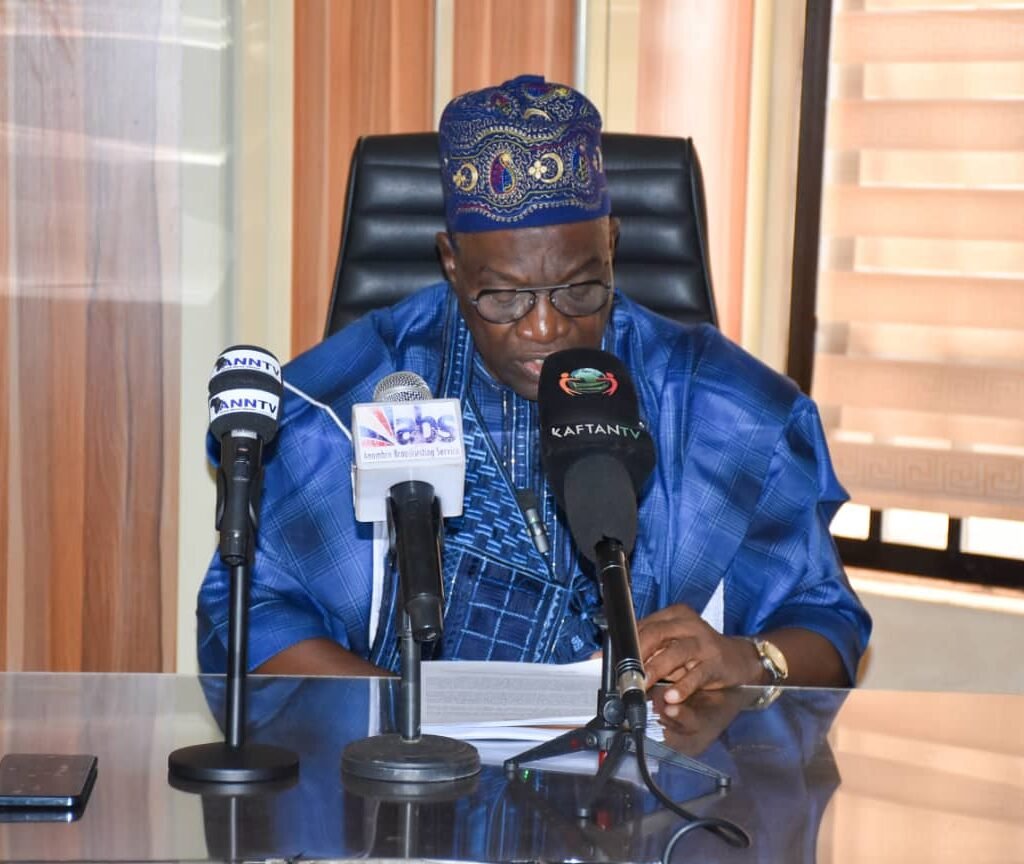
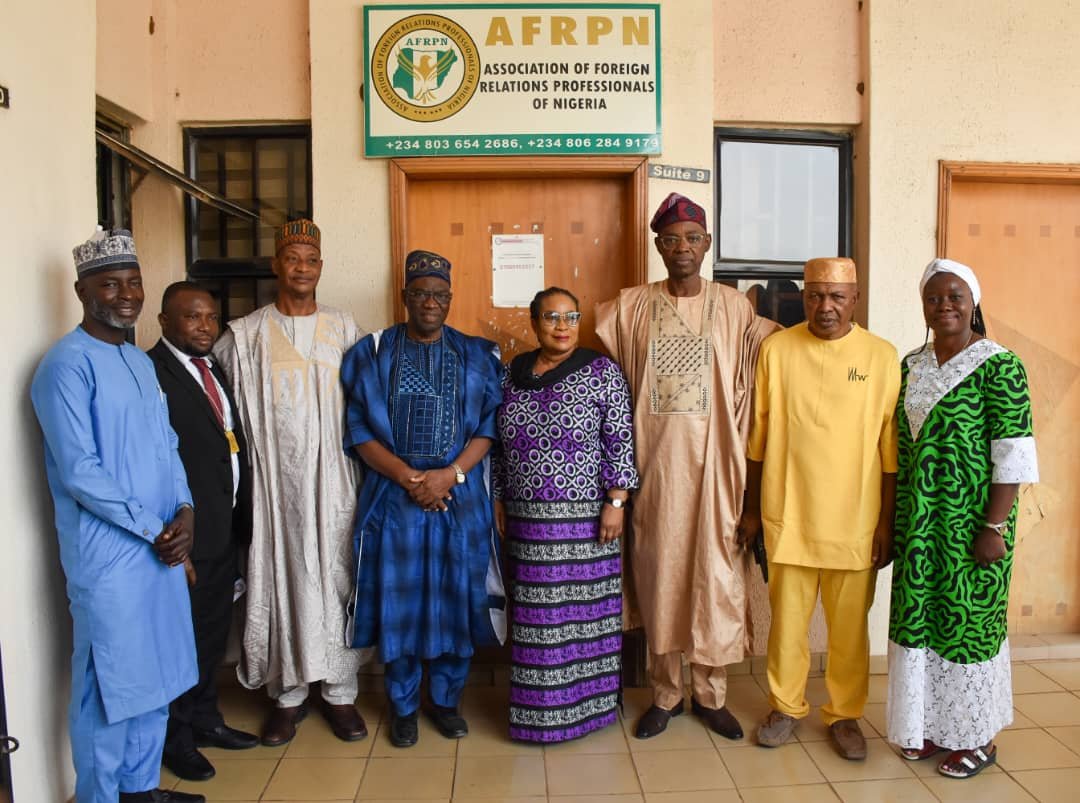
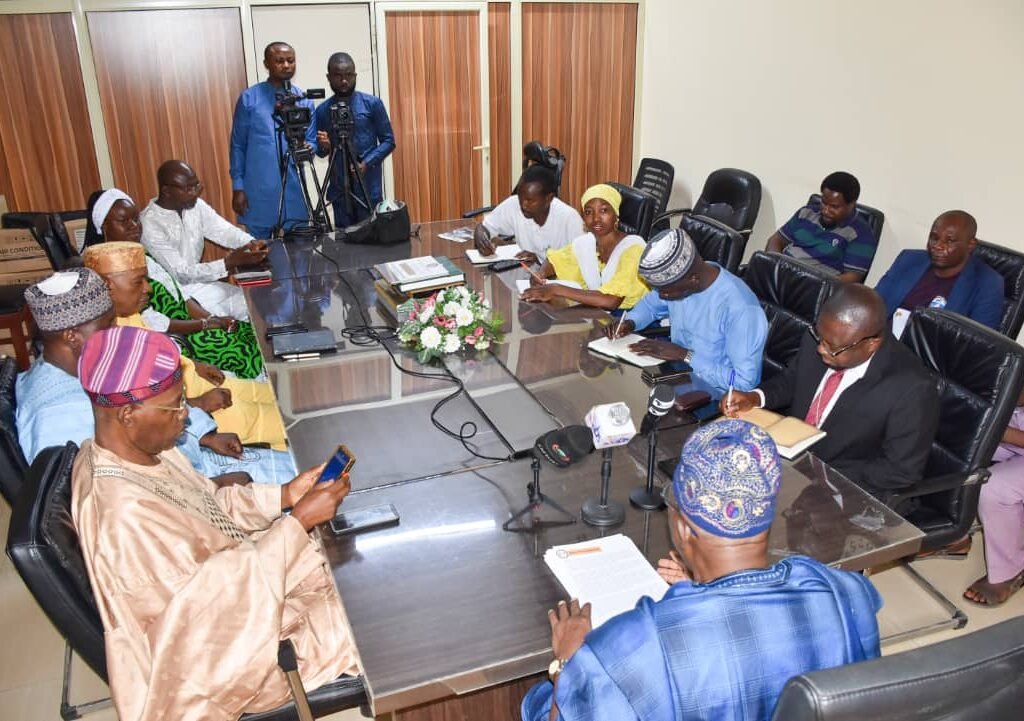
Addressing journalists during a pre-event press briefing on Friday at the association’s office in Abuja, AFRPN President, Ambassador Gani Lawal, PhD, FFRP, said the annual lecture series underscores the association’s commitment to shaping Nigeria’s foreign policy discourse through strategic dialogue, intellectual engagement, and global best practices.
Lawal explained that AFRPN has consistently influenced policy thinking through lectures, workshops, publications, and mentorship programmes for young diplomats, while providing a platform for critical reflection on contemporary global and African issues.
According to him, the 2026 lecture theme was deliberately selected, in line with previous editions, to allow participants benefit from the wealth of experience of international relations practitioners who have played active roles in democratic governance across Africa.
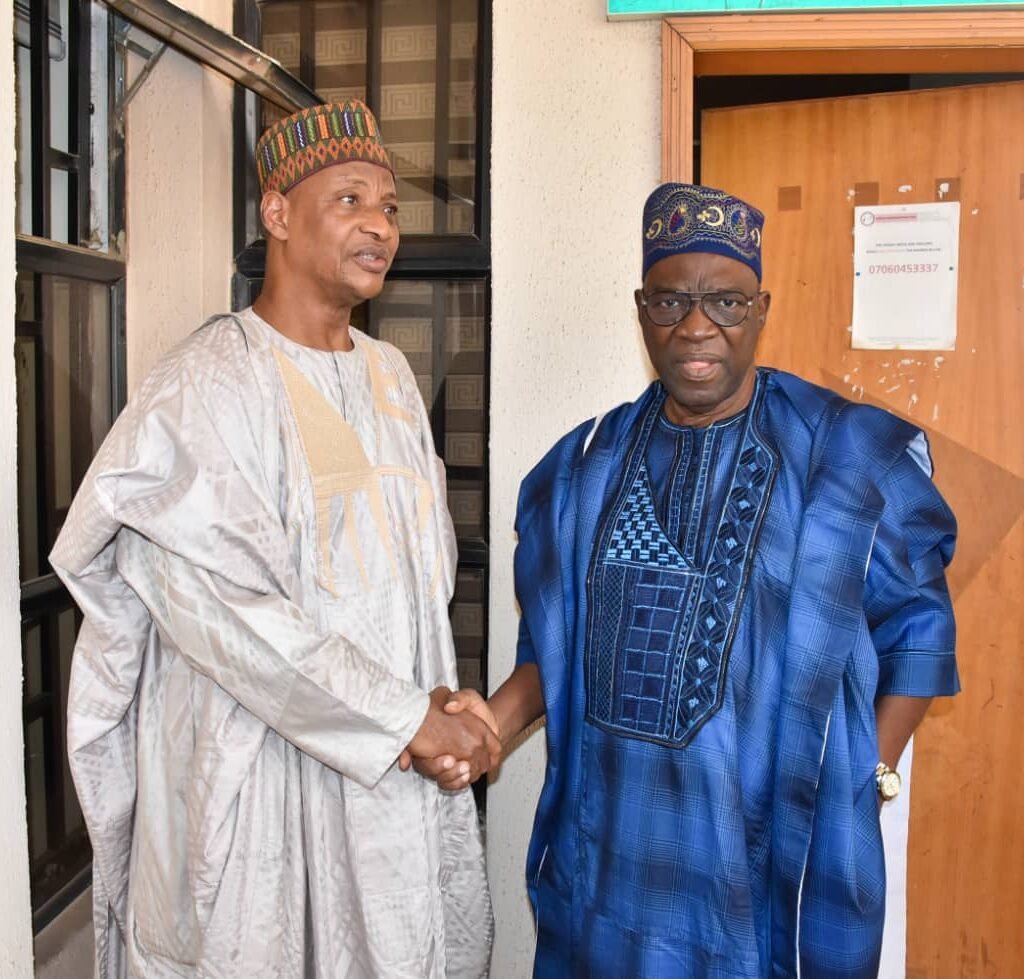
He described the theme as particularly timely against the backdrop of renewed military takeovers in parts of the continent, especially the Sahel, as well as growing public discontent with governance outcomes in several African states.
“We are witnessing the fragility of democratic governance amid terrorism, economic hardship, and declining public trust in state institutions,” Lawal said. “This is further compounded by the enthusiasm with which some populations have embraced coup regimes and renewed calls for fairer political and economic relationships with the rest of the world, particularly former colonial powers.”
He noted that these realities demand sober reflection and rigorous evaluation by professionals at the forefront of diplomacy and international relations.
The guest lecturer for the conference will be Ambassador Bankole Adeboye, African Union Commissioner for Political Affairs, Peace and Security, and former Nigerian Ambassador to Ethiopia. Adeboye, who is currently serving his second term at the African Union, has held several diplomatic postings and played key roles in peace and governance initiatives across the continent.
Ambassador Lawal said discussions at the lecture would focus on practical issues surrounding democratic governance, peace, and security, while identifying pathways for improving governance outcomes for African citizens.
The event is scheduled for Thursday, February 5, 2026, at 3:00 p.m., at the Rotunda Hall, Ministry of Foreign Affairs, Tafawa Balewa House, Abuja. The Chairman of the occasion will be Professor Ibrahim Agboola Gambari, former Minister of Foreign Affairs and immediate past Chief of Staff to late President Muhammadu Buhari.
Reflecting on the stature of past speakers, Lawal recalled that previous editions featured distinguished personalities such as Professor Bolaji Akinyemi, Professor Eghosa Osaghae, Dr. Kingsley Moghalu, Ambassador Amina Mohammed, United Nations Deputy Secretary-General, and former South African President Thabo Mbeki, among others.
Expected dignitaries include former Nigerian High Commissioner to the United Kingdom, Ambassador Dalhatu Tafida; the Minister of Foreign Affairs, Ambassador Yusuf Tuggar; and the Minister of State for Foreign Affairs, Ambassador Bianca Odumegwu-Ojukwu, who will serve as hosts.
The Vice President of Nigeria, Senator Kashim Shettima, GCON, will attend as Special Guest of Honour, while the Sarkin Kano, His Highness Khalifa Muhammadu Sanusi II, CON, PhD, will serve as Royal Father of the Day.
Also expected are heads of key security and strategic agencies, including the Chief of Defence Staff, Director-General of the National Intelligence Agency, Chairman of the Nigerians in Diaspora Commission, Comptrollers-General of Customs and Immigration, commandants of defence institutions, heads of diplomatic missions, and chief executives of ministries, departments, and agencies.
Ambassador Lawal further stressed that Nigeria’s leadership role in Africa must be anchored on strengthened military-industrial capacity, sustained economic growth, and continued support for neighbouring and emerging democracies.
He added that Nigeria must remain committed to the African Union’s agenda of regional integration, cooperation, dialogue-based conflict resolution, and the silencing of guns across the continent.
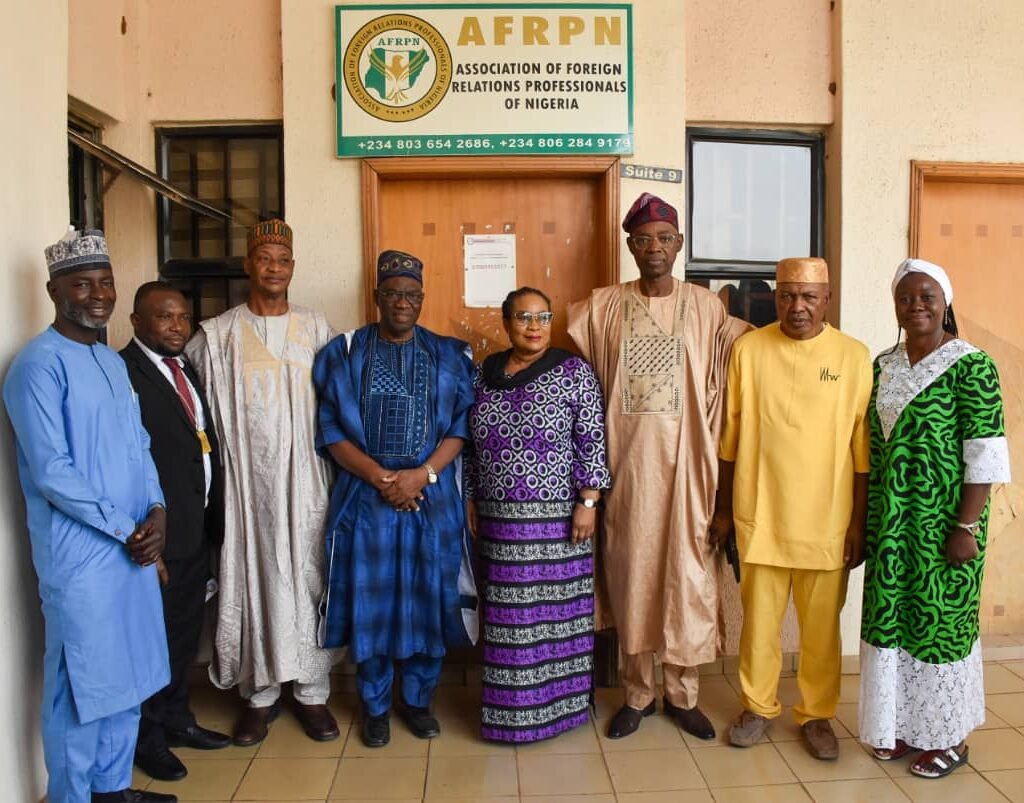
Expressing optimism, Lawal said President Bola Tinubu’s 4-D foreign policy doctrine would reinforce Nigeria’s long-standing “brother’s keeper” philosophy and further consolidate the country’s leadership role in Africa.