

Independent Observers Confirm INEC Results, Urge Action on Voter Education, Electoral Integrity, and Inclusive Participation
By Gabriel Ameh, Media360Impact
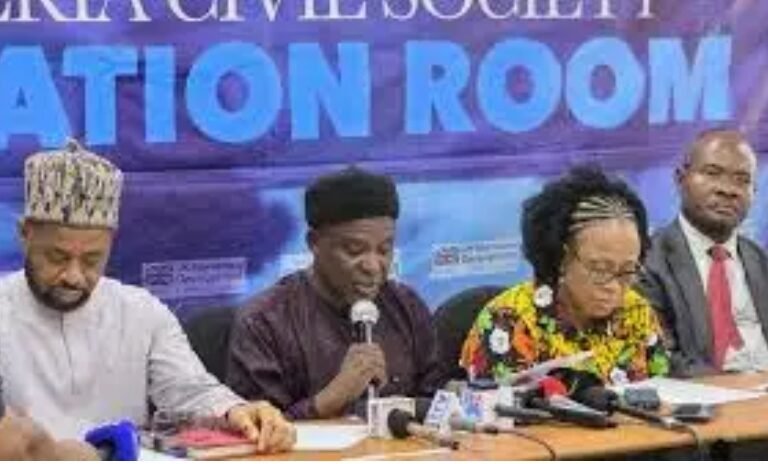
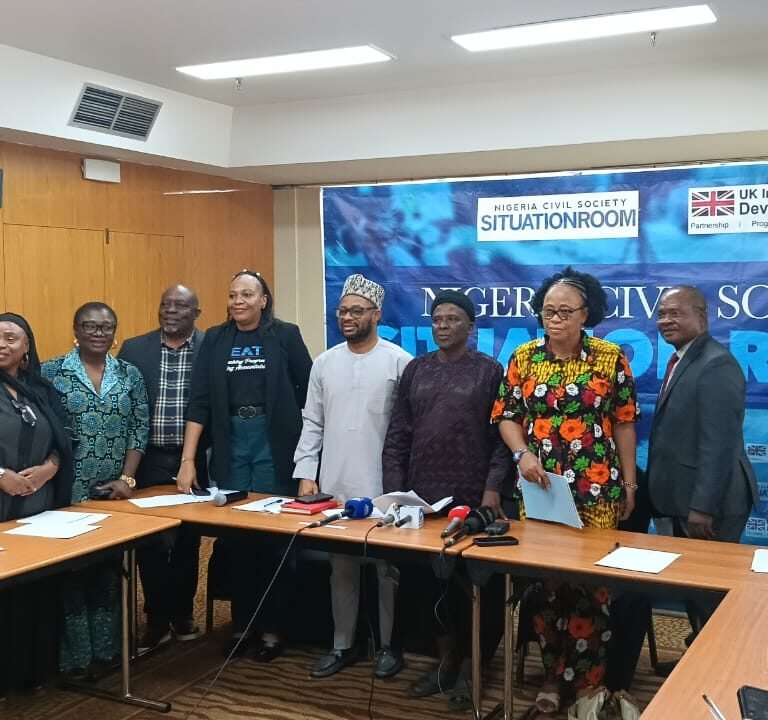
Awka, Anambra State — The 2025 Anambra State Governorship election was largely peaceful, orderly, and reflective of voter intent, but challenges including vote-buying, low turnout, and logistical bottlenecks persisted, according to the Joint Final Statement released by the Election Observation Hub on Saturday, November 8, 2025.
The Election Observation Hub a coalition of seven civil society organizations including Yiaga Africa, The Kukah Centre, International Press Centre (IPC), Centre for Media and Society (CEMESO), Nigeria Women Trust Fund (NWTF), ElectHER, and TAF Africa — deployed 711 citizen observers across all 21 local government areas of the state to monitor election logistics, security, inclusivity, media freedom, and results integrity.
Key Findings
Observers noted that while election day commenced with less than half of polling units operational at the official start time, operations improved significantly by mid-morning, with over 85% of units active by 9:30 a.m. Deployment of election materials such as the Bimodal Voter Accreditation System (BVAS), ballot boxes, and indelible ink was largely complete, although minor lapses were observed, including missing result sheets at some units that temporarily disrupted voting.
Despite the generally peaceful atmosphere, systematic vote-buying was widely reported, with voters offered sums ranging from ₦1,000 to ₦15,000 depending on locality and party competitiveness. This pattern was highlighted as a persistent threat to the integrity of the electoral process.
Voter turnout remained low at 21.3%, though it represents a 10% increase over the 2021 governorship election. Women’s participation was slightly higher than men in many polling units, but representation of female candidates in the governorship race remained minimal, with only two women contesting and collectively receiving less than 1% of votes.
Persons with Disabilities (PWDs) and Inclusion
The observation report commended INEC for improvements in polling station accessibility, with 89% of units accommodating PWDs. However, the lack of assistive devices such as braille ballot guides and magnifying glasses limited independent participation for visually impaired voters. A pilot deployment of 25 trained Sign Language Interpreters significantly enhanced voting access for deaf citizens, marking a milestone in inclusive electoral participation.
Election Security and Media
Security personnel were deployed in 96% of polling units, ensuring peaceful conduct of the election, though isolated gaps were observed. The Nigeria Police Force and other agencies demonstrated professionalism and coordination, while local vigilante groups were notably absent, a development observers described as strengthening the neutrality of security operations.
Accredited journalists reported freely, with only one minor obstruction incident. Observers also monitored misinformation on social media, which was promptly addressed through fact-checking collaborations with Nigeria Democracy Report (NDR) and HaltFake.org.
Results Verification
Independent verification through the Watching The Vote (WTV) process confirmed that INEC’s official results align with observer estimates. APGA led the election with an estimated 71.2%–75.4% of votes, followed by APC with 15.1%–18.5%, Labour Party 0.9%–1.7%, and PDP 0.1%–0.3%. Observers affirmed that these results reflect votes cast at the polling units, underscoring confidence in the integrity of the election outcome.
Recommendations
The Hub urged INEC to improve election day logistics, strengthen voter education, and ensure full inclusion of women and PWDs. Security agencies were called to maintain visible presence and respond promptly to electoral offences. Political parties were encouraged to mainstream disability inclusion and support female candidates, while the National Assembly was urged to advance reforms, including electronic transmission of results and the establishment of an Electoral Offences Commission.
Civil society organizations were tasked with sustaining advocacy, mentoring women in politics, and continuing efforts to monitor and enhance electoral integrity.
Signed by:
Samson Itodo (Yiaga Africa), Fr. Atta Barkindo (The Kukah Centre), Jake Epelle (TAF Africa), Lanre Arogundade (IPC), Dr. Akin Akingbulu (CEMESO), Ibijoke Faborode (ElectHER), Brenda Anugwom (NWTF).
The Election Observation Hub’s efforts were supported by the European Union under the EU Support for Democratic Governance Programme (EU-SDGN).