
By Caroline Ameh
ABUJA, NIGERIA – November 2025:
The Alternative Bank has announced a groundbreaking ethical financing framework aimed at revolutionizing Africa’s agricultural sector a move the institution says will end exploitative lending practices and empower farmers to lead the continent’s food future.
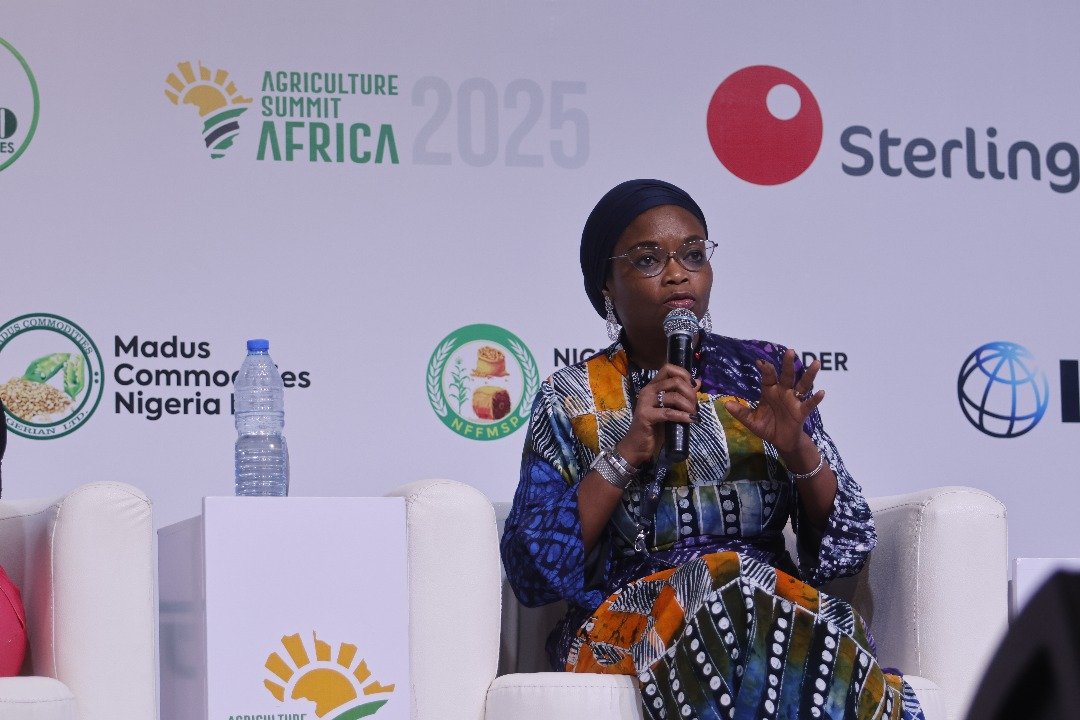
Speaking at the Agriculture Summit Africa 2025, themed “Survival of the Greenest: Reclaiming Africa’s Food Destiny,” Garba Mohammed, Executive Director (North) at The Alternative Bank, said Africa’s prosperity depends not only on how food is cultivated and processed, but also on how it is financed. Mohammed, represented by his Chief of Staff, Azeez Badru, stressed that true agricultural transformation begins with rethinking the purpose of money itself.
“This theme signals a continental awakening,” Mohammed stated. “Africa’s food destiny will not be reclaimed by technology alone, but by the courage to finance differently to make money serve humanity rather than the other way around.”
As Nigeria grapples with a deepening food security crisis, The Alternative Bank says it is championing a new financial model rooted in transparency, fairness, and shared prosperity. According to Mohammed, the Bank views agriculture as “a sacred trust” one that must be nurtured through purpose-driven finance rather than profit-driven speculation.
“We are financing purpose, not just profit,” he declared. “Agriculture is a national responsibility. Every loan, every partnership must feed families, preserve the land, and build resilience. That is the essence of ethical finance.”
At the heart of the Bank’s strategy are non-interest financing instruments such as Mudarabah (profit-and-loss sharing), Musharakah (equity partnership), Ijara (lease-to-own), and Murabaha (cost-plus trade finance). These models, Mohammed explained, distribute risk and reward fairly across the agricultural value chain from producers to processors and distributors ensuring that financing remains both inclusive and sustainable.
For decades, he noted, African farmers have borne the heaviest burden while financiers reaped the greatest returns. “That imbalance must end,” Mohammed affirmed, “and The Alternative Bank intends to lead the way.”
Beyond providing capital, the Bank’s interventions include renewable energy solutions for irrigation, solar-powered cold storage systems, and waste-to-value innovations initiatives that enhance productivity while protecting the environment.
“The survival of the greenest challenges us to build systems that reward stewardship over speculation,” Mohammed added. “We must finance not just growth, but good.”
Commending the organisers of Agriculture Summit Africa 2025, The Alternative Bank reaffirmed its dedication to reshaping Africa’s food systems through finance that empowers rather than exploits. The institution also called on investors, development partners, and innovators to join its mission of placing farmers at the centre of transformation where dignity, equity, and sustainability define every transaction.
“We are leading this charge,” Mohammed concluded, “and we welcome farmers, off-takers, partners, and all who believe finance should build fair, resilient food systems.”