

By Gabriel Ameh
The Independent National Electoral Commission (INEC) and the National Universities Commission (NUC) are working together to ensure universities provide credible, non-partisan academic personnel for the 2027 general elections, while adjusting academic calendars to avoid disrupting students’ studies.
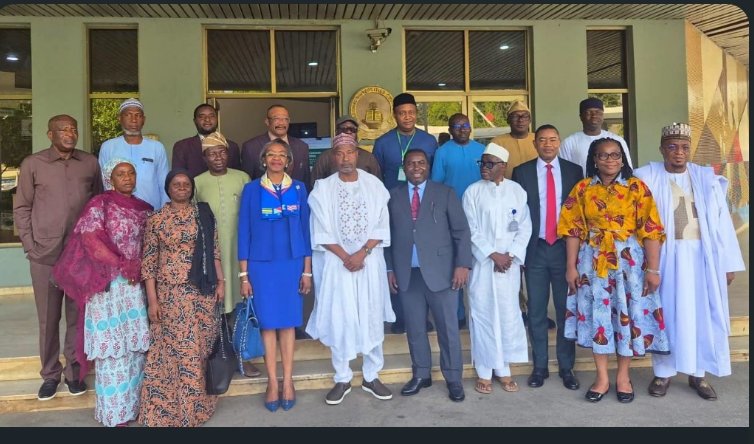
The agreement was reached on Monday in Abuja during a strategic meeting between INEC Chairman, Professor Joash Amupitan, and NUC Executive Secretary, Professor Abdullahi Ribadu.
The partnership is expected to strengthen the role of university lecturers and other academic staff in election duties, particularly as preparations intensify for the 2027 polls.
Nigeria’s presidential and National Assembly elections are scheduled for January 16, 2027, while governorship and state assembly elections will hold on February 6.
Amupitan acknowledged the important role academics have played in Nigeria’s electoral process over the years, particularly vice-chancellors and senior lecturers who serve as returning officers, collation officers and other election officials.
He said INEC was introducing additional technological safeguards to improve the credibility of election results, including automated checks for arithmetic inconsistencies and over-voting in polling unit results before they are transmitted to the INEC Result Viewing Portal (IReV).

The commission has also procured 57,000 additional Bimodal Voter Accreditation System (BVAS) devices, bringing the voter-to-device ratio down to 850 voters per machine.
As part of preparations, INEC plans to conduct a nationwide mock accreditation and result transmission exercise on November 28, 2026, across the country.
The commission is also strengthening security arrangements for election officials, particularly those involved in collation and result management.
Amupitan urged the NUC to help identify credible academics for electoral duties, coordinate adjustments to university calendars, promote voter education on campuses and improve the welfare of lecturers participating in the elections.
He assured university staff that INEC would provide institutional support and protection against intimidation and attacks.
“No Returning Officer or Collation Officer will be left to stand alone against lawlessness,” he said.
Responding, Ribadu pledged to engage vice-chancellors across the country on the nomination of qualified and credible academics. He also said the NUC would issue a circular to universities once it receives a formal request from INEC.
Ribadu stressed that credible elections require trustworthy personnel, adding that all temporary electoral workers must take an oath of neutrality before being assigned duties.
To prevent the election period from disrupting academic activities, the NUC chief proposed adjusting university calendars by three to four weeks.
He said the commission would consult vice-chancellors to ensure the changes accommodate election activities without affecting students’ academic programmes.
The proposed collaboration will also extend beyond election duties, with discussions around student internship opportunities at INEC, electoral studies programmes and joint research in emerging areas such as artificial intelligence, robotics and data analytics.
Both institutions expressed optimism that the partnership would improve electoral transparency, strengthen public confidence in the voting process and help Nigeria deliver credible elections in 2027.