
By Gabriel Ameh
Nigerians are increasingly worried about vote-buying, electoral violence and manipulation of results ahead of the 2027 general elections, despite a strong willingness among many citizens to participate in the democratic process.
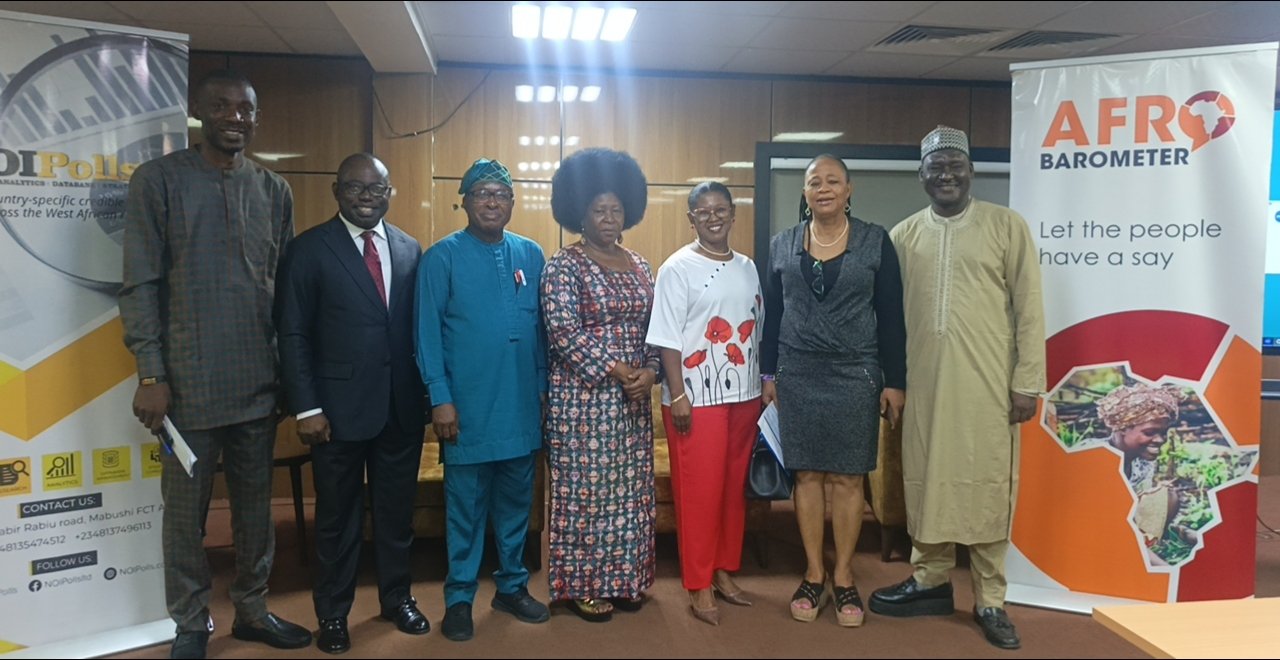
Findings from the latest Afrobarometer Round 11 survey, presented at a high-level stakeholder dialogue organised by NOIPolls in Abuja on Wednesday, November 11, 2026, reveal widespread concerns about the credibility of the forthcoming elections.
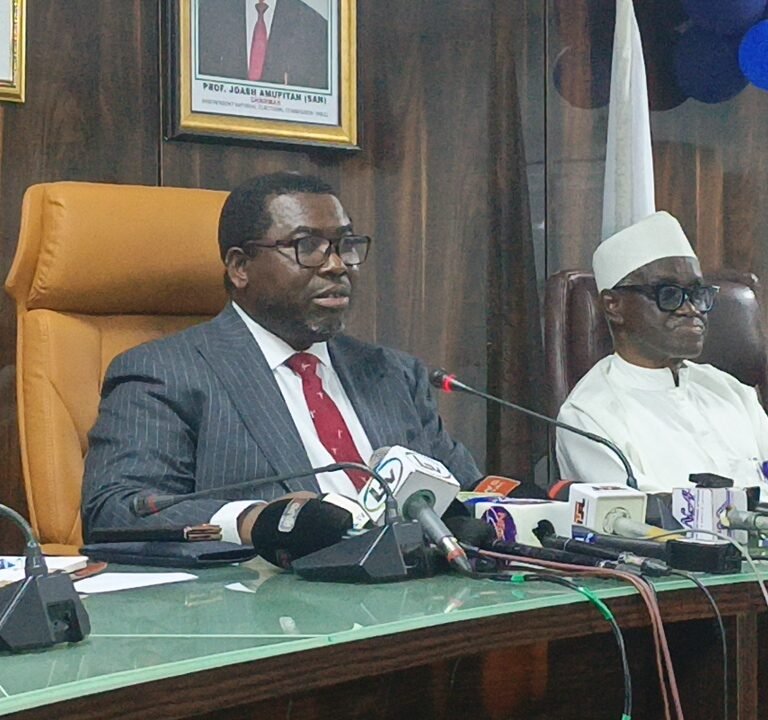
The dialogue, titled Nigerians’ Perspectives on Democracy and the 2027 General Elections, brought together stakeholders to examine public attitudes towards democracy, electoral integrity and citizens’ expectations ahead of the next general elections.
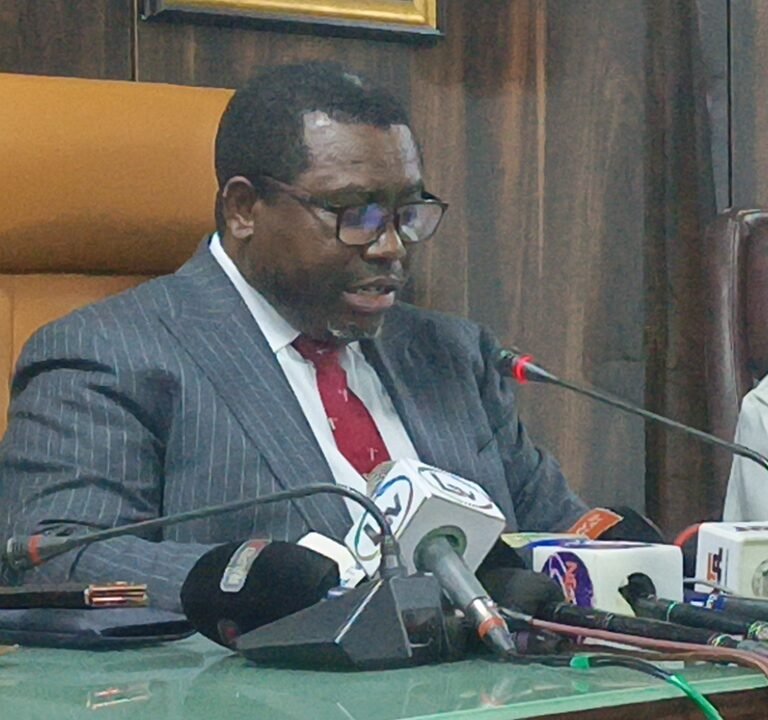
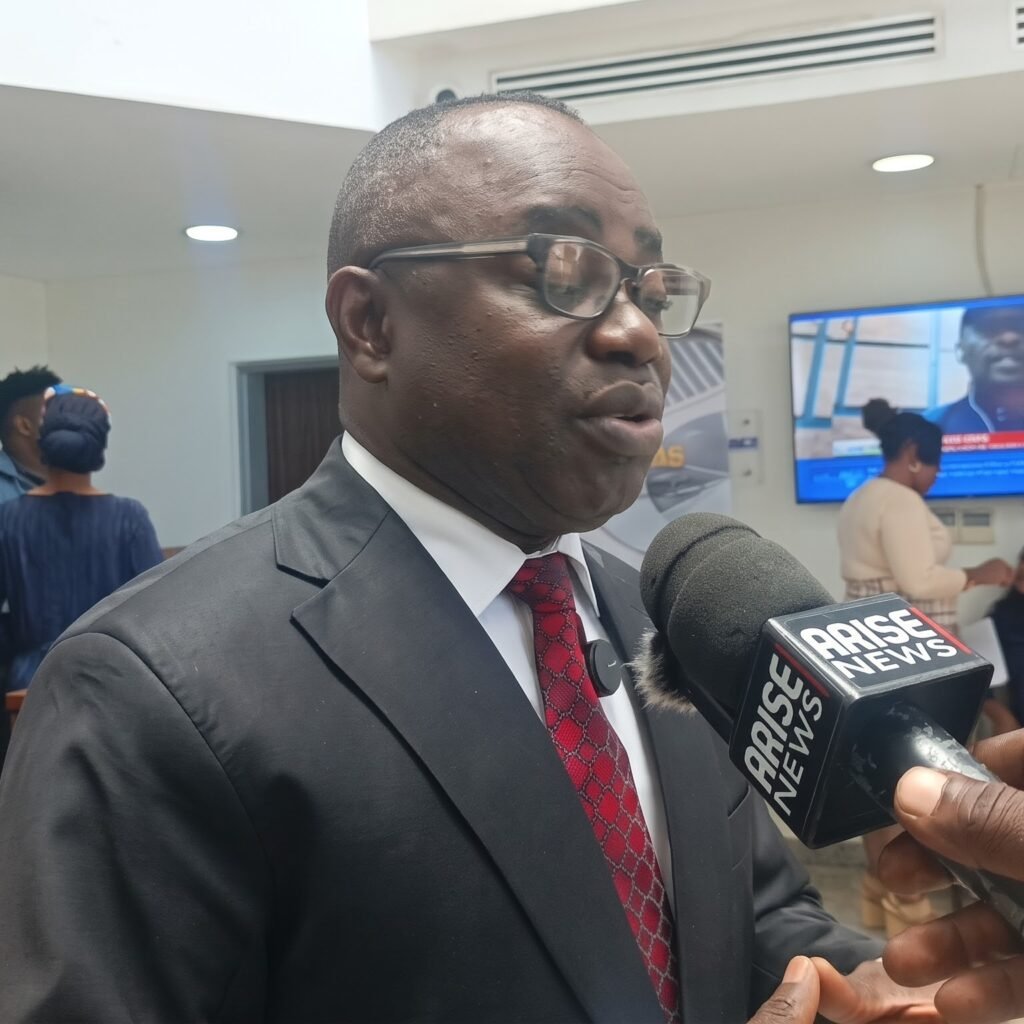
Presenting the findings, Head of Social Research at NOIPolls, Raphael Mbaegbu, disclosed that 89 per cent of Nigerians consider vote-buying likely during the 2027 elections.
The survey also found that 79 per cent of respondents anticipate political violence and the possibility of valid votes not being counted.
Similarly, 78 per cent believe political parties and candidates are likely to disregard electoral laws, while the same proportion fear that incorrect election results could be announced.
On the overall credibility of the forthcoming elections, only 37 per cent of respondents expect the 2027 polls to be largely free and fair, while 48 per cent believe they will be neither free nor fair.
The findings also raise questions about public confidence in the previous electoral process, with only 35 per cent of Nigerians describing the 2023 elections as completely free and fair or free and fair with minor problems.
Despite these concerns, the survey suggests that Nigerians have not abandoned the ballot box.
About 64 per cent of respondents said they were likely to vote in the 2027 elections, including 48 per cent who described themselves as very likely to participate.
The survey further revealed that 92 per cent of potential voters intend to support a presidential candidate whose policies they agree with.
However, identity and financial considerations remain relevant, as 33 per cent said they would vote for a candidate from their state, 32 per cent for someone of their religious faith and 31 per cent for a candidate from their ethnic group.
Another 19 per cent indicated that they would vote for a candidate who offered them money or gifts.
Beyond electoral concerns, the findings highlighted Nigerians’ views on political representation and gender equality.
About 71 per cent of respondents support equal rights and opportunities for men and women, while 66 per cent favour equal opportunities for women to occupy political offices. However, 32 per cent still believe men make better political leaders than women.
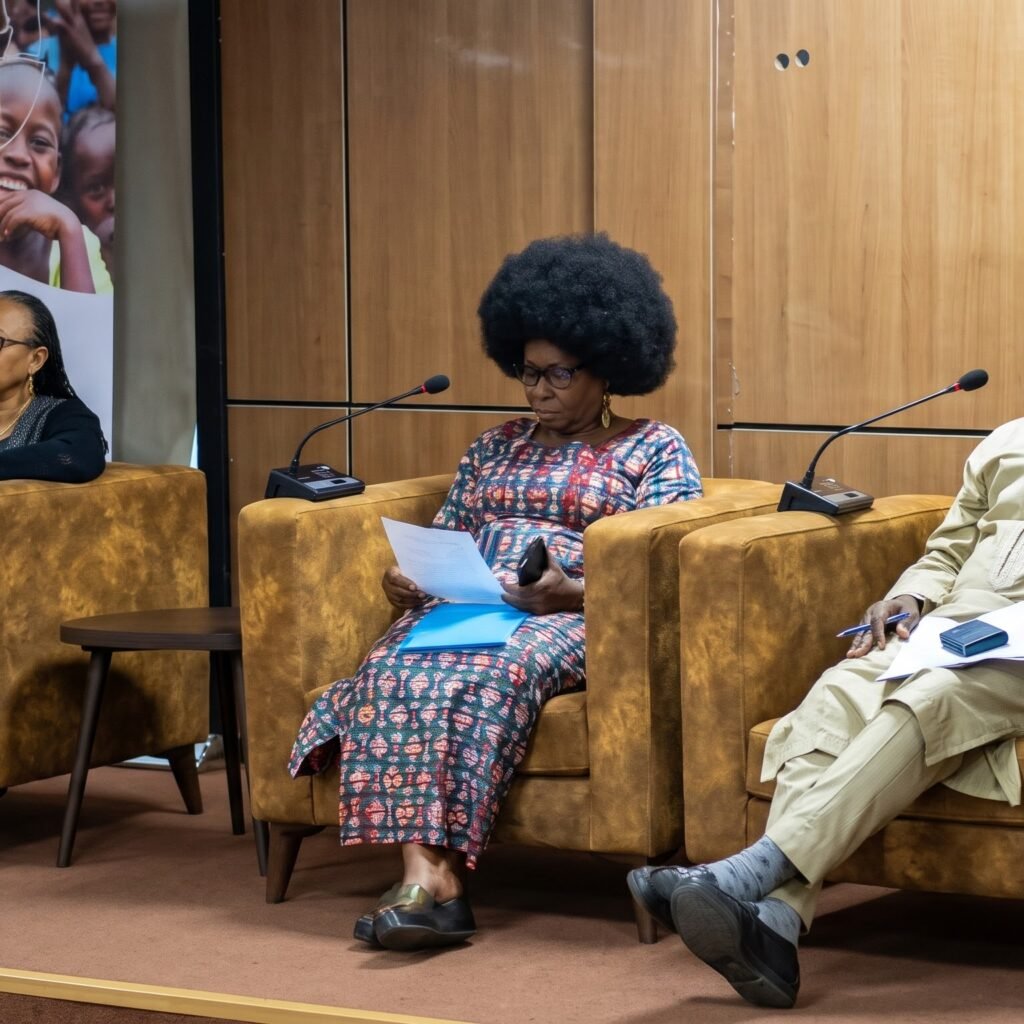
Speaking at the dialogue, Executive Director of the Ene Obi Centre for Development, Ene Obi, attributed growing dissatisfaction with democracy to the disconnect between political leadership and the economic realities confronting ordinary Nigerians.
She emphasised the importance of ensuring that democratic governance delivers meaningful improvements in citizens’ everyday lives.
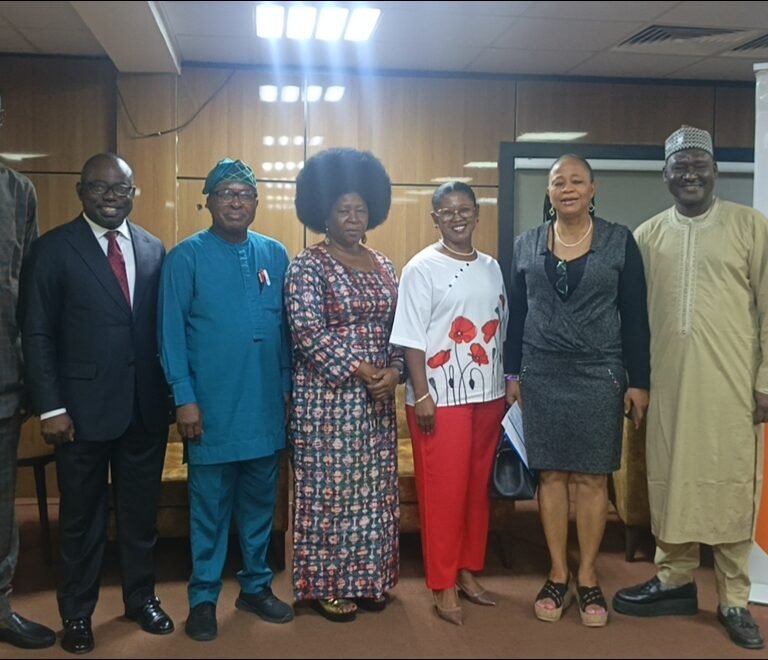
Other civil society stakeholders at the meeting called for urgent reforms to strengthen electoral institutions, guarantee judicial independence, promote accountability and restore public confidence ahead of the 2027 elections.
The survey findings also point to a wider challenge for Nigeria’s democratic institutions, as public willingness to participate in elections exists alongside deep concerns about the credibility and fairness of the process.
The Afrobarometer Round 11 survey covered 1,600 Nigerian adults across the country’s 36 states and the Federal Capital Territory. Interviews were conducted face-to-face in respondents’ homes, covering both urban and rural communities.
The findings place renewed responsibility on the Independent National Electoral Commission, security agencies, political parties, the judiciary and civil society organisations to address citizens’ concerns and strengthen safeguards around the electoral process.
With the 2027 general elections approaching, the message from the survey is clear: Nigerians want to vote, but they also want assurances that their votes will count.
Source credit: Afrobarometer, NOIPolls.