
ABUJA | Media360Impact Report
Nigeria and Angola have reaffirmed their commitment to strengthening bilateral relations, with both countries exploring fresh opportunities for cooperation in trade, investment, energy, security, education and cultural exchange as Angola marked 51 years of independence.
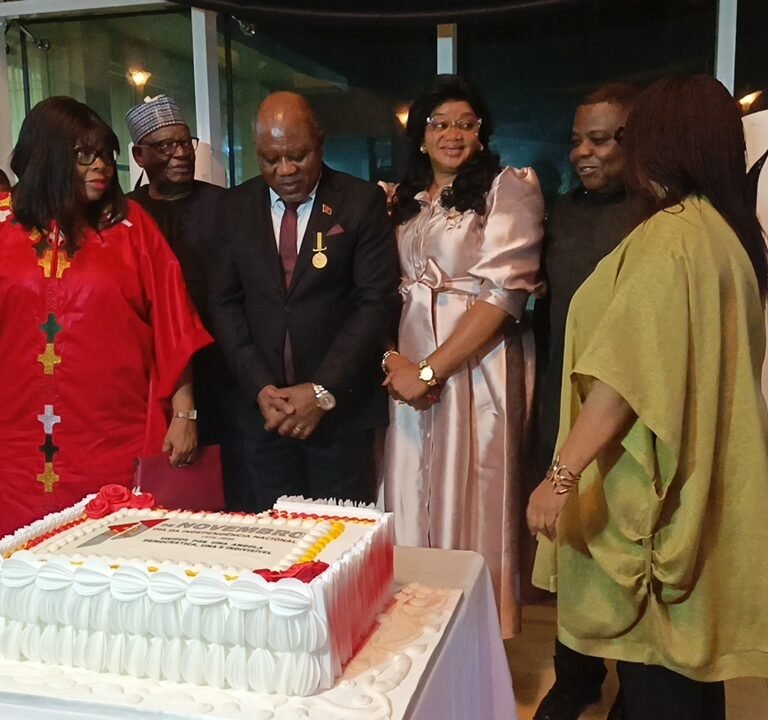
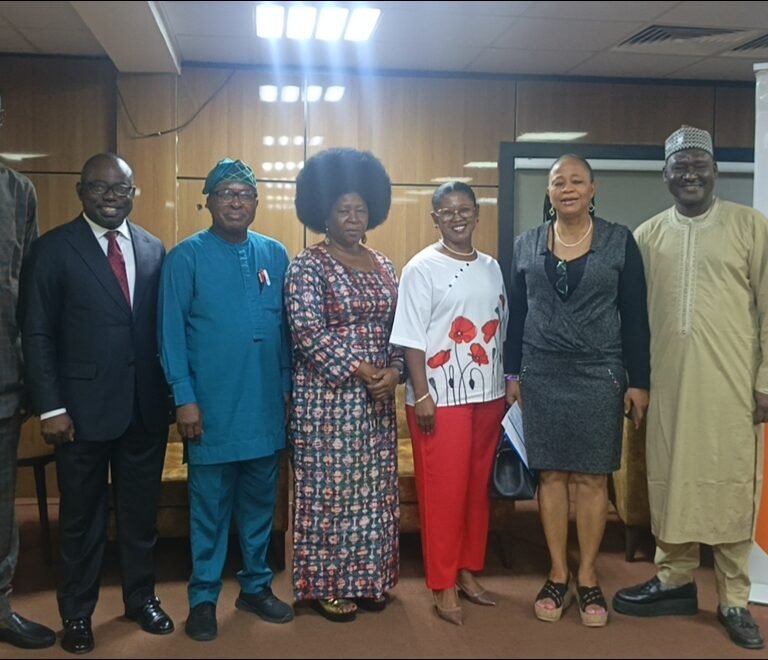
The renewed commitment was highlighted during Angola’s 51st Independence Anniversary celebration in Abuja on Wednesday, November 11, 2026, where diplomatic representatives from both countries reflected on five decades of formal relations and outlined opportunities for deeper engagement.
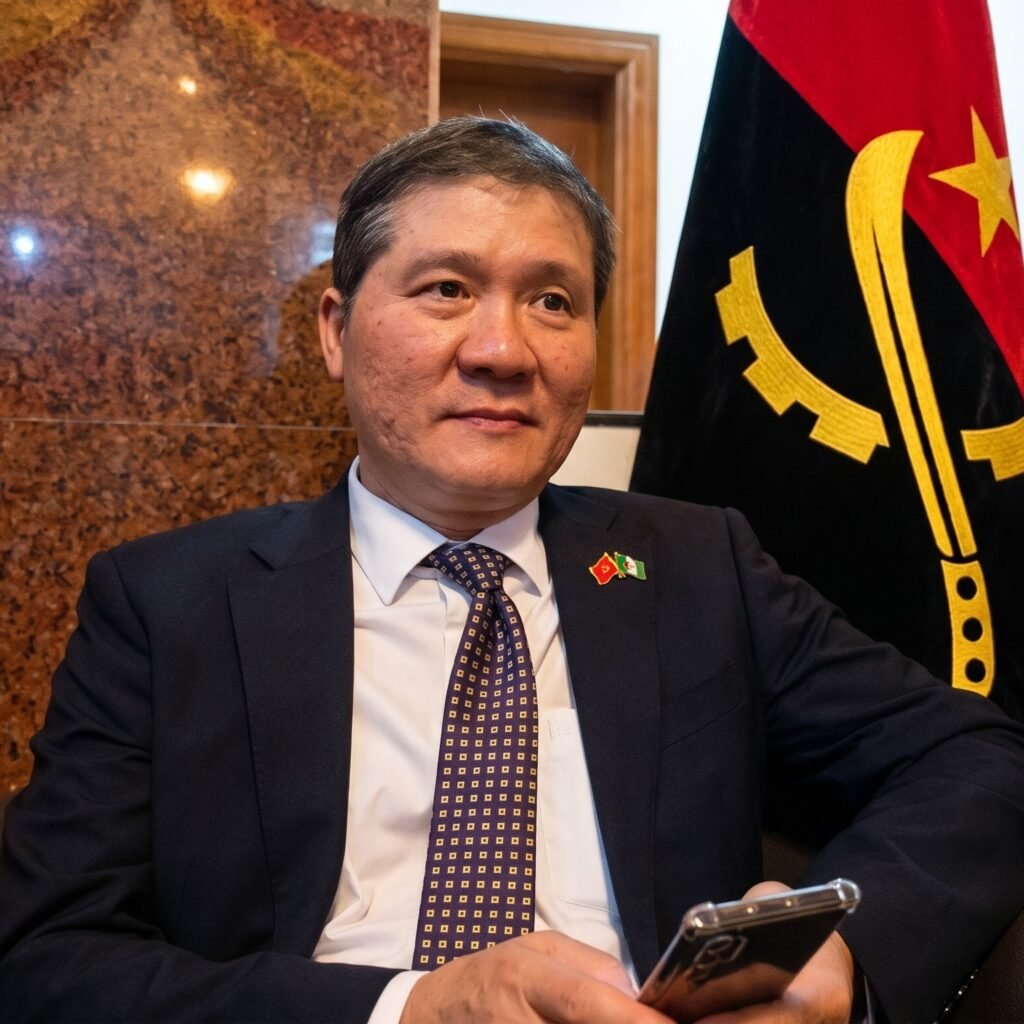
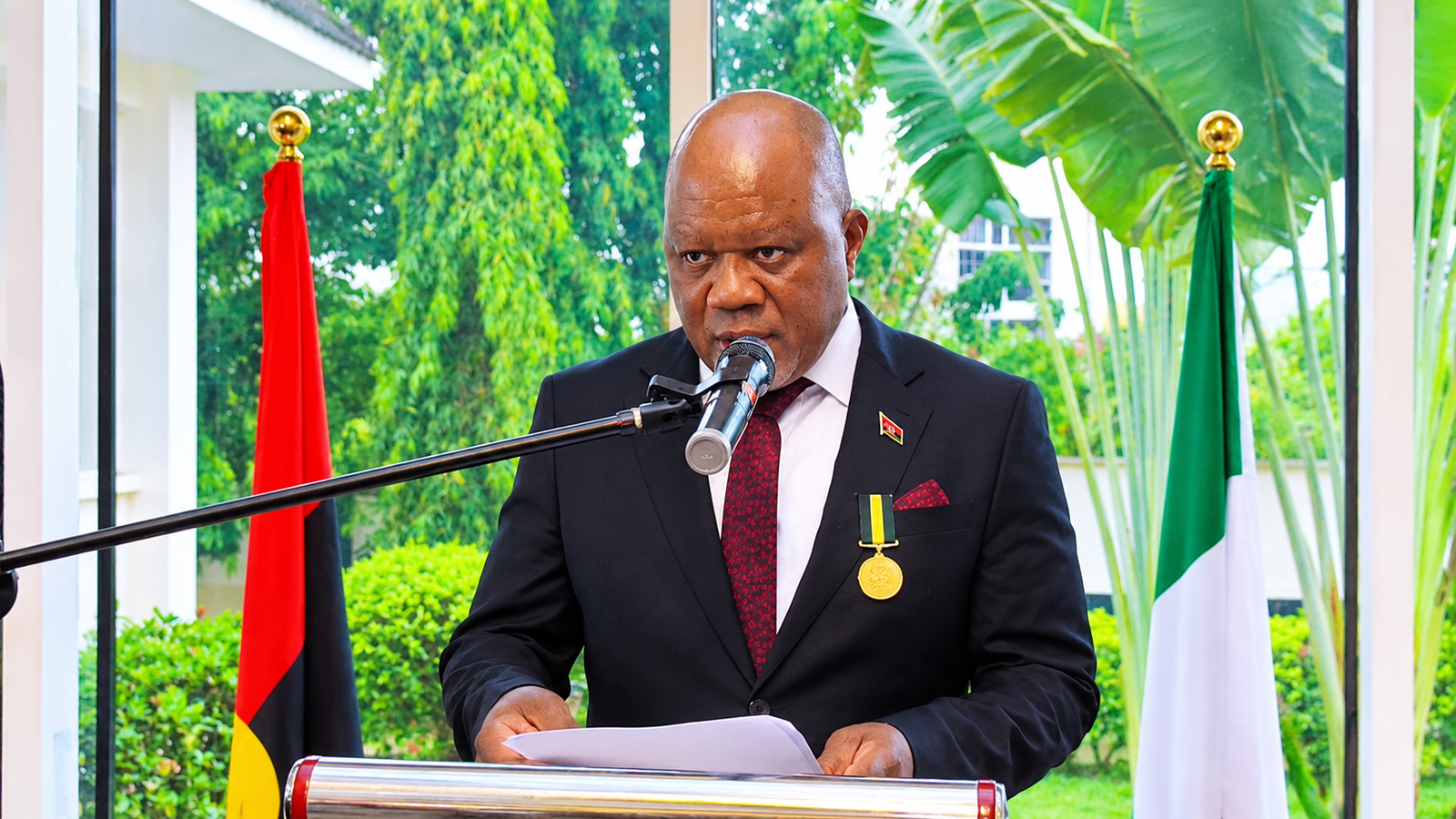
Angola’s Head of Mission, Ambassador José Bamóquina Zau, described the relationship between the two African countries as historic, strategic and rooted in mutual respect and shared continental interests.
He recalled Nigeria’s significant contribution to Angola’s independence struggle and the consolidation of the Angolan state from 1975, describing the support as an important foundation for the longstanding friendship between both countries.
According to him, Nigeria and Angola have maintained 50 years of diplomatic and cooperative relations, with both countries continuing to strengthen their partnership through bilateral engagements and institutional cooperation.
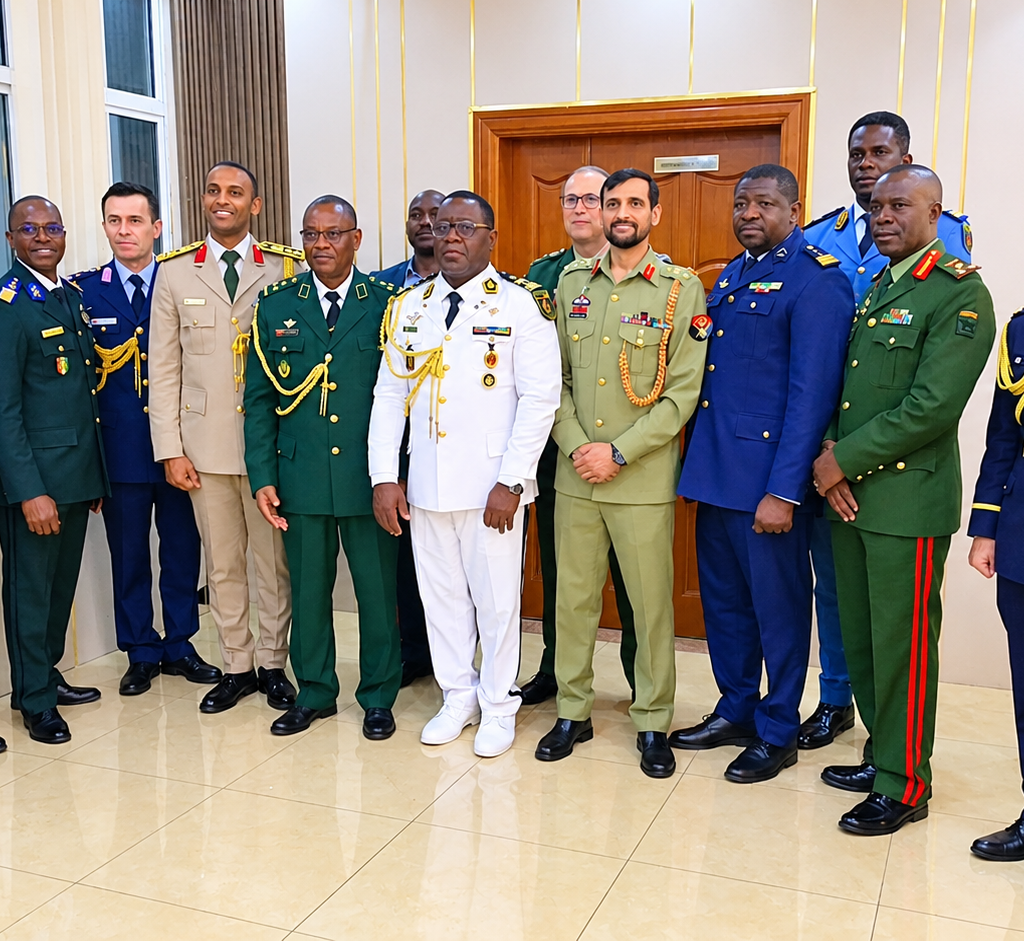
The envoy disclosed that the Bilateral Joint Commission was working to update and expand several agreements and memoranda of understanding covering trade, transportation, culture, professional training, defence, public security, cybersecurity and academic exchange.
One of the significant developments highlighted was the signing of a visa-exemption agreement for holders of diplomatic and official passports in 2026.
The agreement, which the ambassador said would take effect within days of the anniversary celebration, is expected to ease official travel and facilitate engagements between representatives of both governments.
He also disclosed that Angola’s Namibe and Bengo provinces had established sister-state partnerships with Nigeria’s Bayelsa and Nasarawa states, creating additional opportunities for subnational cooperation.
Both countries explore economic opportunities
Beyond diplomatic relations, the Angolan envoy identified economic diversification, energy, agriculture and infrastructure as important areas where Nigeria and Angola could expand cooperation.
He highlighted Angola’s efforts to reduce its dependence on petroleum through increased agricultural production, which he said now contributes more than 12 per cent of the country’s Gross Domestic Product.
The Lobito Corridor, which connects Angola’s Atlantic coastline to mineral-producing regions of Zambia and the Democratic Republic of Congo, was also identified as a major infrastructure development with potential benefits for regional trade and investment.
On energy, he highlighted Angola’s hydroelectric capacity and ongoing investments in power generation, including the Caculo Cabaça Dam, expected to begin operations in June 2027 with a projected capacity of more than 2,172 megawatts.
The ambassador said such developments reflected Angola’s determination to diversify its economy, improve infrastructure and attract international investment.
He also encouraged greater engagement in tourism, cultural exchange and other sectors capable of strengthening economic relations between African countries.
Nigeria reaffirms commitment to bilateral cooperation
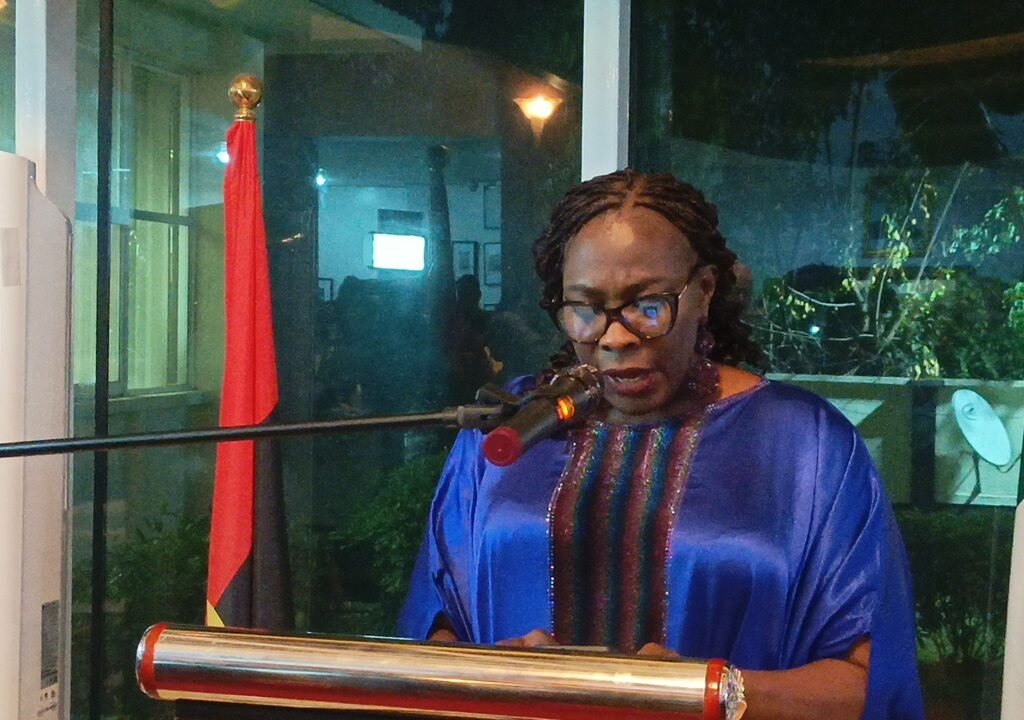
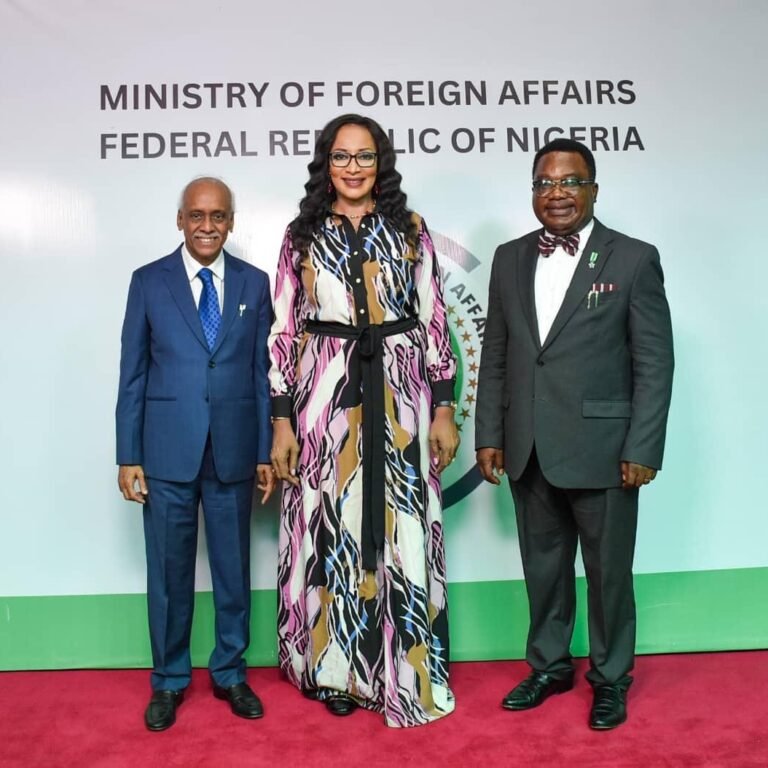
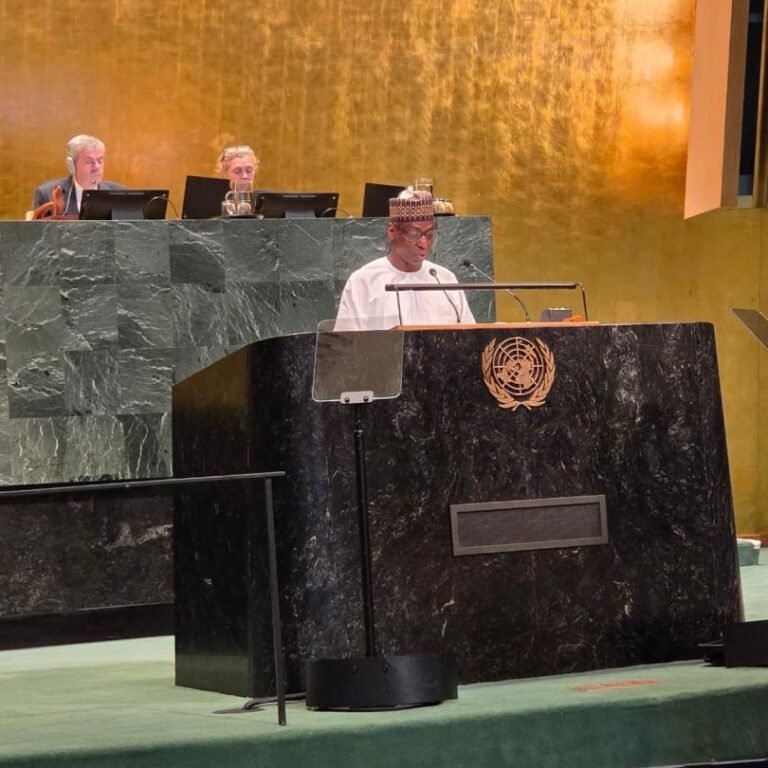
In her goodwill message, Nigeria’s Minister of Foreign Affairs, Ambassador Bianca Odumegwu-Ojukwu, reaffirmed the Federal Government’s commitment to deepening relations with Angola.
The minister, who was represented by Mrs Cicilia Eteng, Director of the Southern Africa Affairs Division at the Ministry of Foreign Affairs, congratulated Angola on its 51st independence anniversary.
She described the relationship between both countries as one built on mutual respect, African solidarity and a shared commitment to the development of the continent.
According to her, Nigeria and Angola have continued to expand cooperation in trade and investment, energy, education, culture and diplomatic engagement.
She stressed the need to explore additional areas of mutually beneficial cooperation, noting that stronger bilateral relations would contribute to the prosperity of both countries.
The minister also commended Angola’s contributions to regional peace, security and stability, as well as its continued efforts towards African unity and integration.
A partnership with opportunities for the future
The anniversary celebration also provided an opportunity for Angola to showcase its progress in national reconciliation, economic reforms, energy development and tourism.
Ambassador Zau noted that Angola had moved beyond its history of civil war and was now focused on building a more diversified economy and strengthening its position within the international community.
He identified the country’s natural resources, growing agricultural sector, infrastructure projects and cultural industries as areas offering opportunities for international partnerships.
He maintained that the next phase of Angola’s independence journey must go beyond political sovereignty to include economic, intellectual, moral and cultural independence.
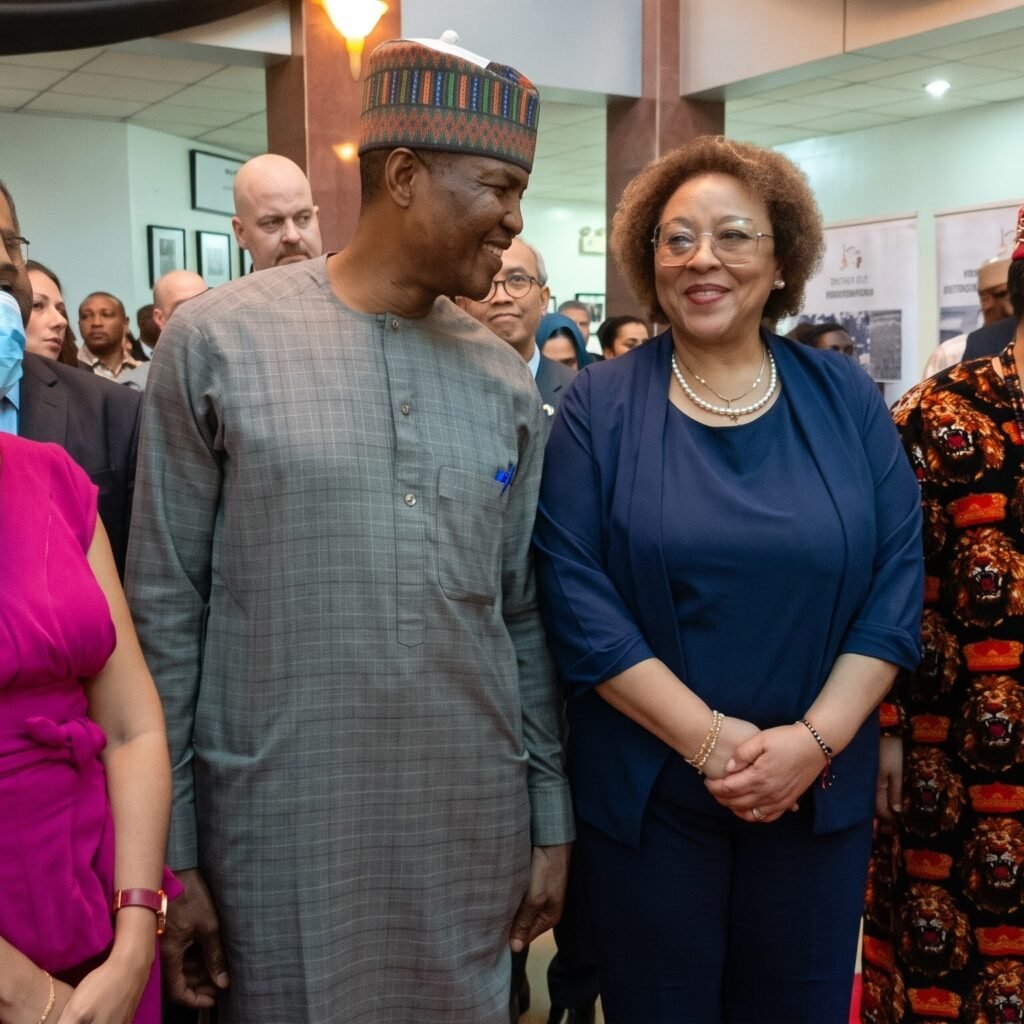
The diplomatic engagement in Abuja underscored the importance of sustained cooperation between Nigeria and Angola, particularly as both countries seek to expand trade, strengthen regional integration and advance shared development interests across Africa.
Source: Official address by the Head of Mission of the Republic of Angola and goodwill remarks by Nigeria’s Minister of Foreign Affairs at Angola’s 51st Independence Anniversary celebration in Abuja, November 11, 2026.