

By Gabriel Ameh
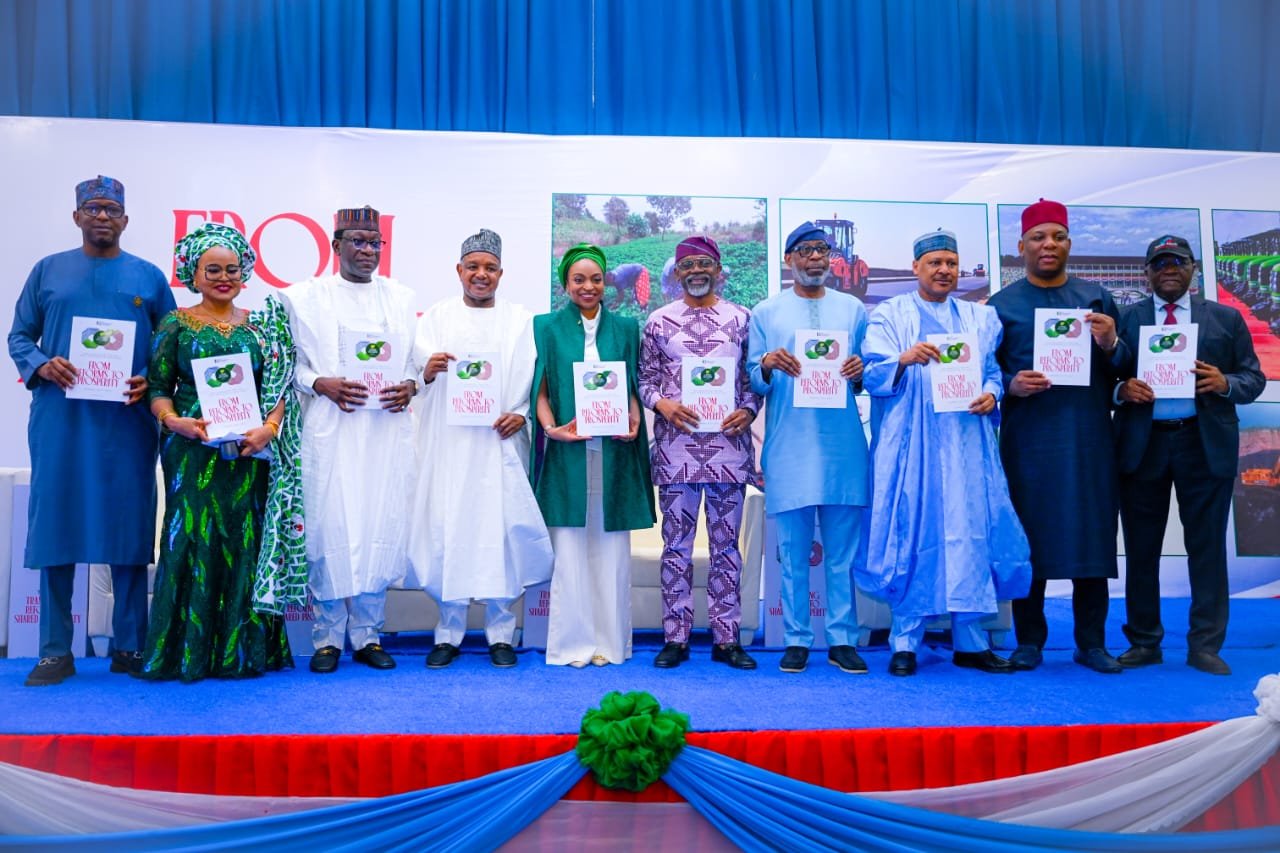
The All Progressives Congress (APC) has unveiled its 2027–2031 presidential election manifesto, promising to extend the benefits of President Bola Tinubu’s economic reforms to more Nigerians if the party secures another mandate.
Minister of Information and National Orientation, Mohammed Idris, said the administration’s reforms were already producing results in security, education, infrastructure and economic growth, while laying the foundation for long-term national prosperity.
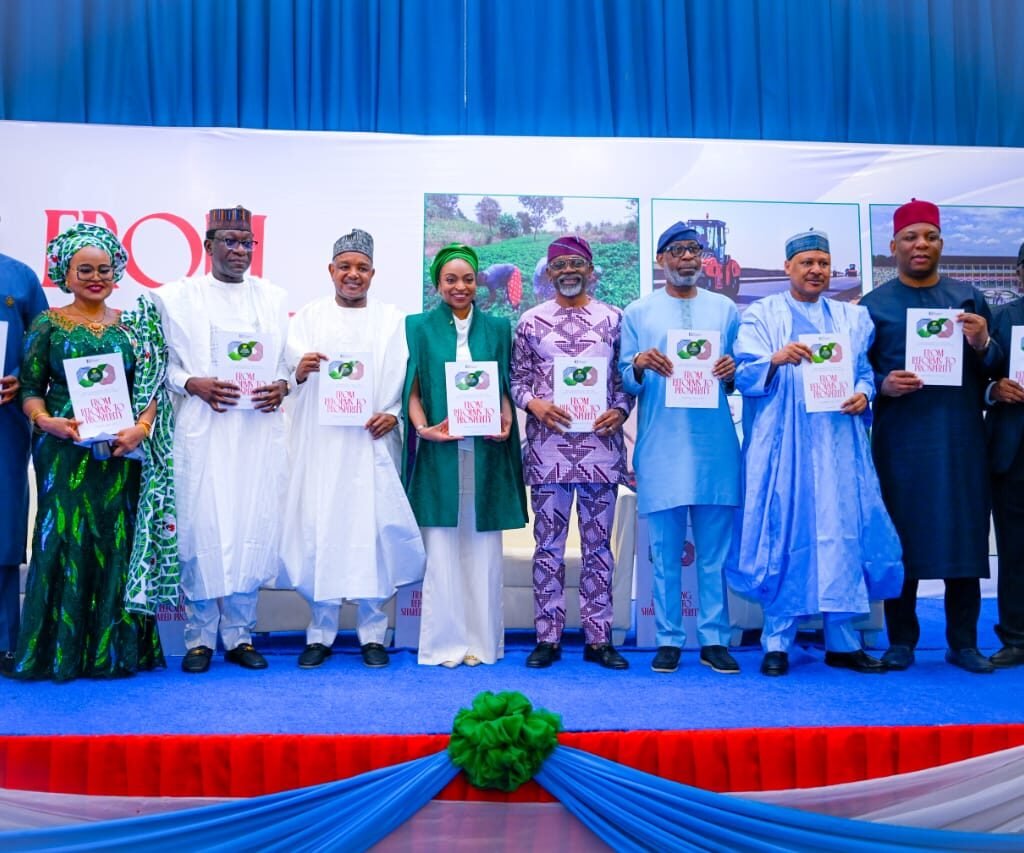
Idris spoke on Tuesday in Abuja during the media presentation of the APC’s 2027 presidential election manifesto, where he maintained that the next four years would focus on ensuring more Nigerians benefit from the government’s policies.
Defending the reforms, the minister cited the Federal Government’s student loan programme, improvements in security, Nigeria’s removal from the Financial Action Task Force (FATF) grey list and improved international credit ratings as evidence of progress.
He disclosed that approximately 1.6 million Nigerian students had benefited from support through the Nigerian Education Loan Fund (NELFUND), stressing that access to the programme was not determined by political affiliation.
According to him, investments in public infrastructure and improvements in national security ultimately benefit citizens regardless of their political differences.
Idris also pointed to declining inflation and improving economic growth, arguing that the government’s decisions were intended to address structural challenges and create opportunities for future prosperity.
He, however, urged journalists to maintain their watchdog responsibility while giving attention to positive developments in the country.
The minister said responsible journalism should provide Nigerians with a balanced understanding of government performance, including areas requiring improvement, without losing sight of national interest.
Meanwhile, the Chief of Staff to the President, Femi Gbajabiamila, described the manifesto as a commitment between the APC and Nigerians, urging citizens to examine its promises and hold the party accountable for their implementation.
Gbajabiamila said the document contained measurable targets, including plans to halve the number of out-of-school children by 2031 and install seven million additional electricity meters.
He maintained that the manifesto was not merely an electoral document but a framework through which Nigerians could assess the party’s performance if returned to power.
The Minister of Solid Minerals Development, Dele Alake, also defended the administration’s economic direction, describing its reforms as among the most comprehensive undertaken by any civilian government in Nigeria.
Alake said the reforms were designed to address longstanding structural weaknesses across different sectors and reposition the country for sustainable development.
Similarly, the Minister of Budget and Economic Planning, Atiku Bagudu, said Tinubu’s ambition of building a $2 trillion economy reflected a long-term vision for national development.
Bagudu acknowledged that more work was required to ensure economic growth translated into tangible improvements in the living conditions of ordinary Nigerians, particularly vulnerable households and hardworking families.
Presenting the manifesto’s key priorities, the Minister of Industry, Trade and Investment, Dr Jumoke Oduwole, identified four major pillars guiding the APC’s proposed agenda for 2027 to 2031.
They include a secure and resilient nation; improved and affordable quality of life; energy, infrastructure and economic growth; and effective and accountable governance.
Oduwole said the party’s priorities included strengthening food security, reducing living costs, expanding local manufacturing, increasing exports and creating employment opportunities.
She also highlighted a target of generating one million export-linked jobs for young Nigerians by 2030.
According to her, the administration wants Nigerians to experience the benefits of economic growth through improved security, increased domestic production, affordable living conditions and expanded opportunities for young people.
The manifesto presentation brought together representatives of civil society organisations, sector experts, journalists and other stakeholders.
The APC said the document outlined its development priorities and commitments for 2027 to 2031, providing Nigerians with a framework to assess its promises and hold the party accountable.
Source Credit: Rabiu Ibrahim, mnipr, Special Adviser (Media) to the Honourable Minister of Information and National Orientation (FMINO).