
By Gabriel Ameh
‘No Young Person Should Suffer Alone’: Nigeria Launches Mental Health Awareness Week
ABUJA — The Federal Government has launched the 2026 National Adolescent and Youth Mental Health Week, with a call for stronger support systems, improved access to mental health services and an end to the stigma preventing young Nigerians from seeking help.
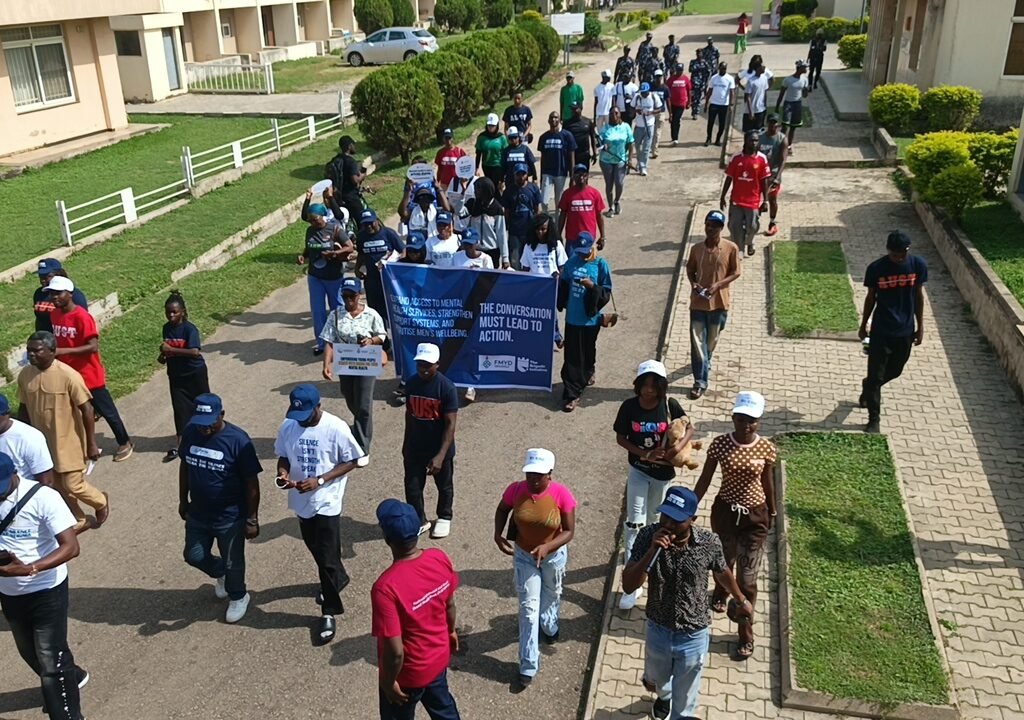
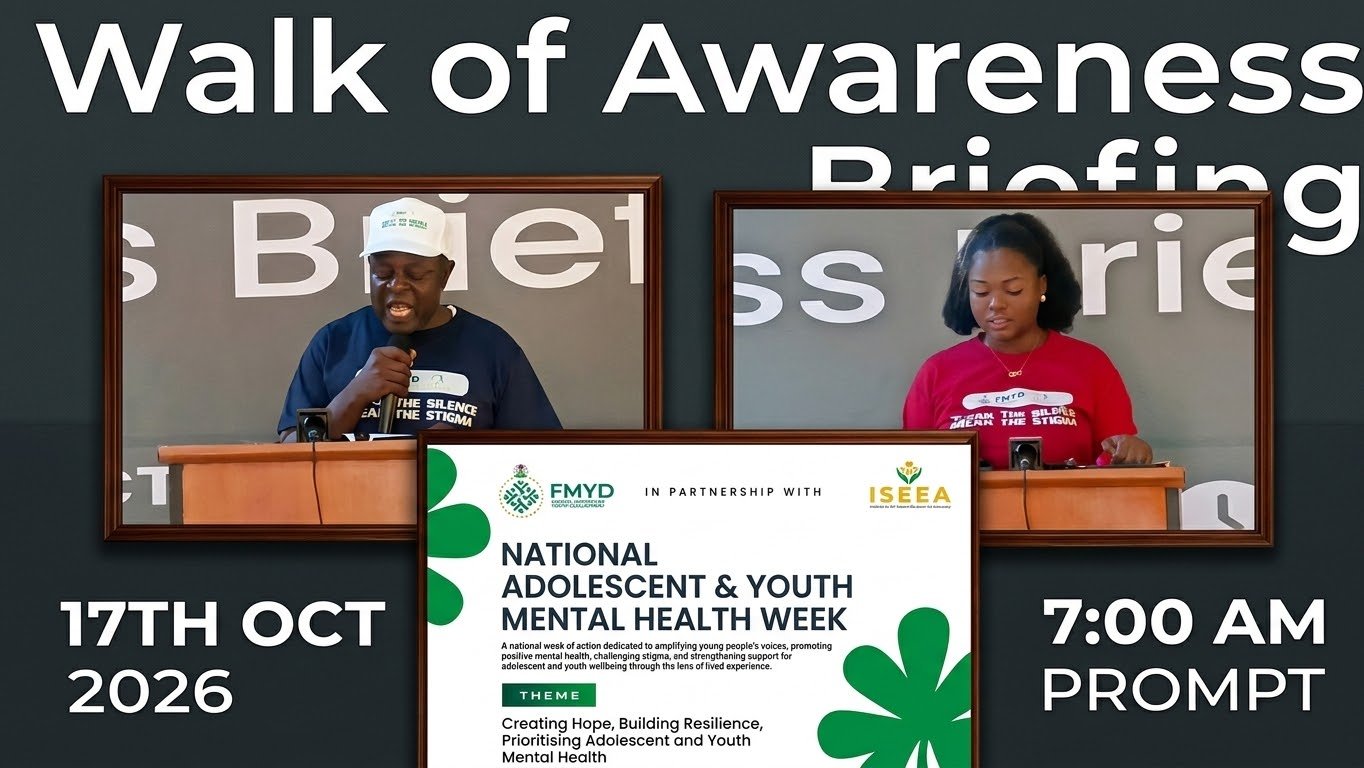
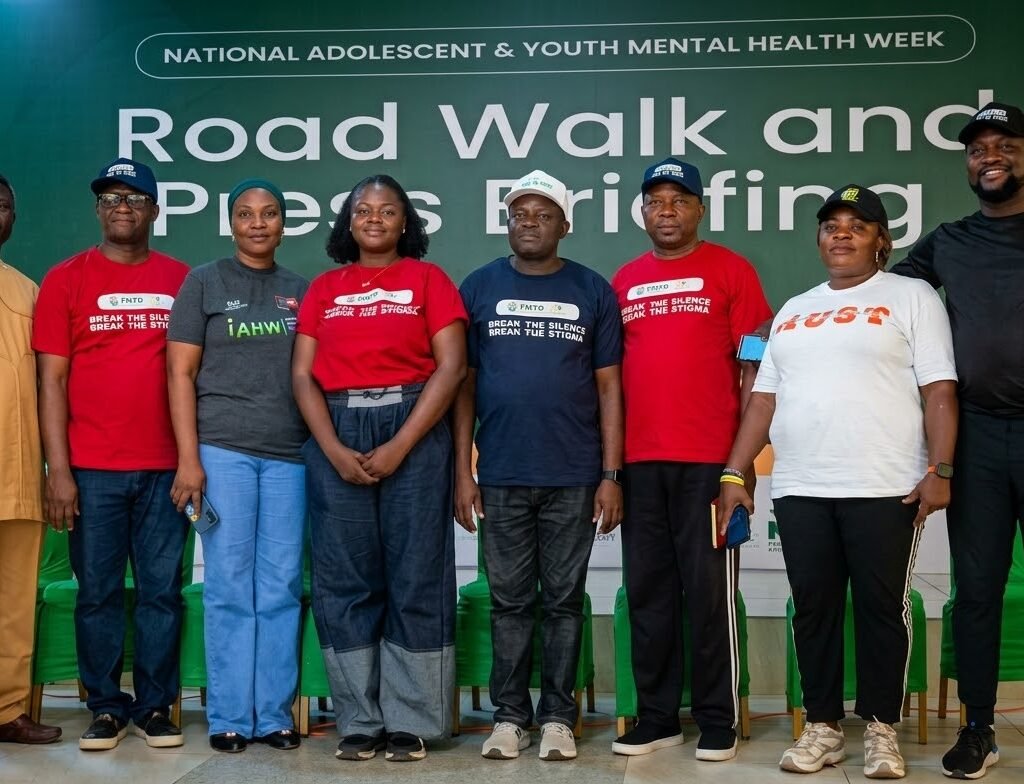
The campaign, running from October 17 to 23, 2026, opened on Saturday with an awareness road walk and ministerial press briefing at the African University of Science and Technology (AUST), Abuja.
Organised by the Initiative for Self Esteem Education and Advocacy (ISEEA) in partnership with the Federal Ministry of Youth Development and other civil society organisations, the initiative seeks to promote mental well-being among adolescents and young people.
Speaking on behalf of the Minister of Youth Development, Comrade Ayodele Olawande, the ministry’s representative, Mr Olanipekum Akinwumi Adebayo, said the programme would provide a platform for young people, policymakers, mental health practitioners and other stakeholders to address challenges affecting youth mental health.
He said the initiative was designed to amplify young people’s voices, challenge stigma and strengthen support systems, stressing that young people must participate actively in shaping policies and programmes affecting their well-being.
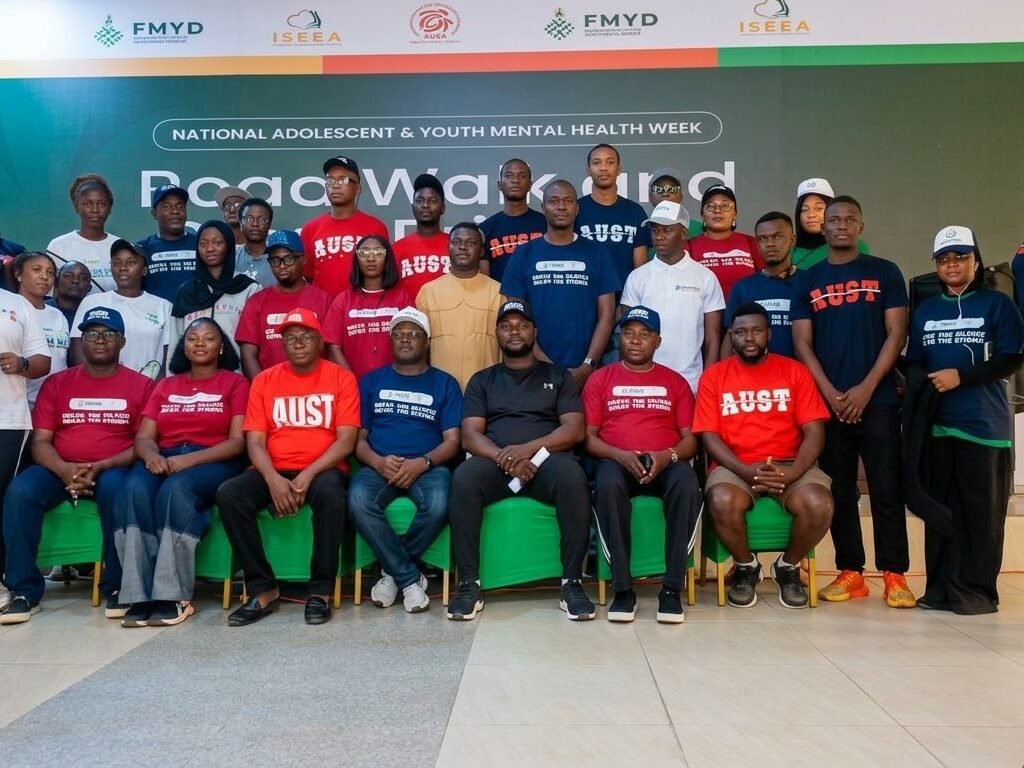
According to him, the Federal Ministry of Youth Development plans to institutionalise the National Adolescent and Youth Mental Health Week as an annual event and encourage its adoption by youth development ministries across Nigeria’s 36 states and the Federal Capital Territory.
He added that mental health was fundamental to educational achievement, productive engagement, healthy relationships and the ability of young people to realise their potential.
The minister’s representative also outlined activities for the week, including school engagements, community outreach, media advocacy, a National Action Forum on Adolescent and Youth Mental Health, and a gala dinner and Creative Minds Awards.
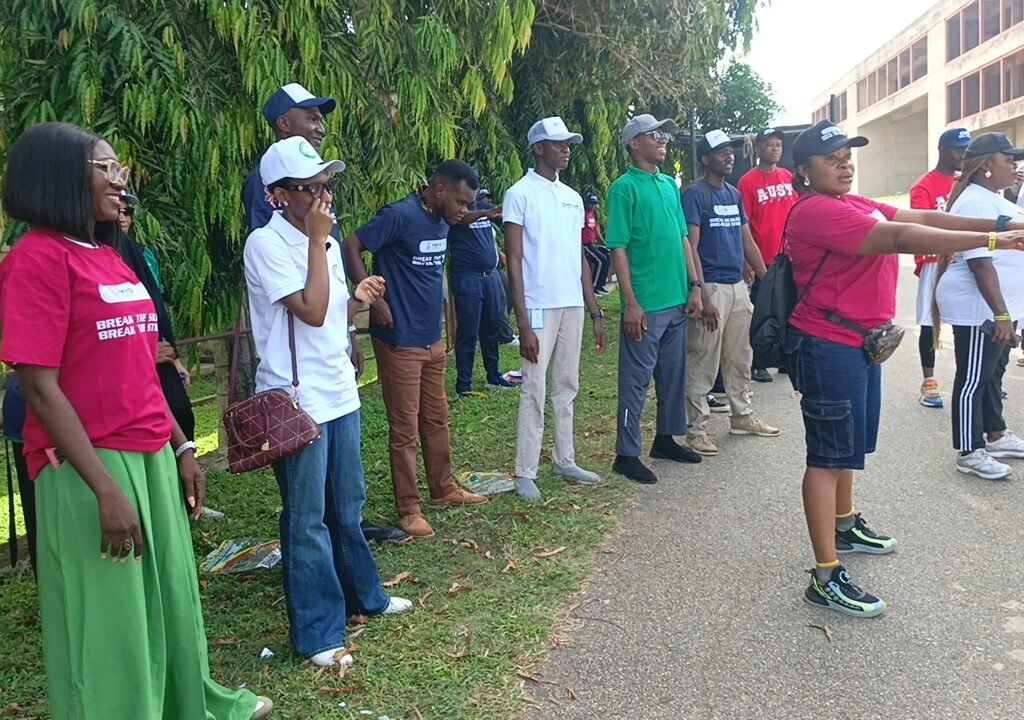
The school engagements are scheduled for October 19, followed by community outreach on October 20. Media engagements are planned for October 21, while the National Action Forum is scheduled for October 22. The programme is expected to conclude with a gala dinner and awards on October 23.
He commended the 23 collaborating civil society and non-governmental organisations, the African University of Science and Technology and Negis Media for supporting the initiative.
AUST President, Professor Azikiwe Peter Onwualu, said mental health was an essential part of overall health, influencing how young people learn, build relationships, make decisions and fulfil their potential.
He observed that adolescents and young people often experience stress, anxiety, depression and other challenges in silence because of stigma, fear of judgement and difficulties accessing appropriate support.
Onwualu called for greater understanding and compassion towards young people experiencing emotional distress, urging families, schools, universities, communities and government institutions to work together to create supportive environments.
He said educational and research institutions had a responsibility to support students’ well-being and contribute knowledge and practical solutions to mental health challenges.
The university president also emphasised that awareness must be accompanied by reliable information, trained professionals and accessible mental health services.
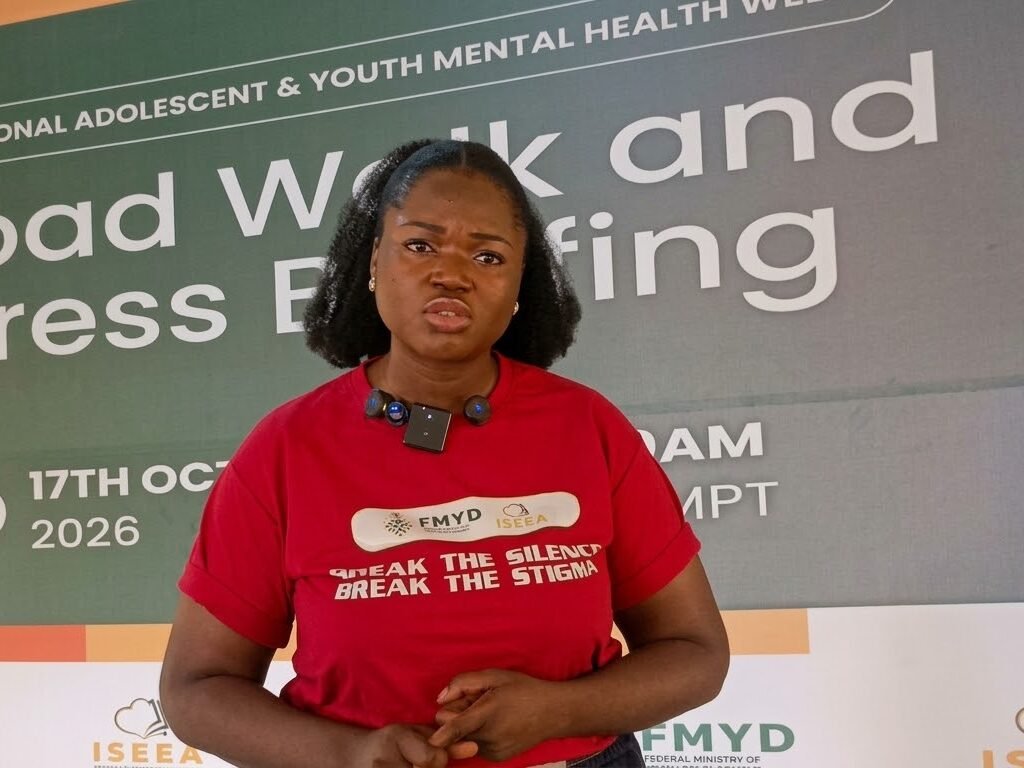
Founder Shares Personal Experience
Founder and Executive Director of ISEEA, Rosemary Ochiwu, said the campaign was inspired by the need to address the emotional struggles young people often experience without adequate support.
Speaking under the theme, “Creating Hope, Building Resilience: Prioritising Adolescent and Youth Mental Health,” Ochiwu said the road walk represented more than a public awareness exercise.
She said it was intended to draw attention to young people experiencing emotional distress, bullying, low self-esteem and other challenges that are frequently overlooked.
Sharing her personal experience, Ochiwu disclosed that she attempted suicide at the age of 14 after years of struggling with low self-esteem and emotional abuse.
She explained that her experience strengthened her determination to promote mental health awareness and ensure that young people have access to the support they need.
In 2020, she established Self Esteem Diary, an online platform promoting conversations about self-esteem and mental health. The initiative later developed into ISEEA, which works to advance adolescent and youth well-being through education, advocacy and practical interventions.
Ochiwu stressed that resilience should not mean expecting young people to endure hardship without help.
Instead, she said resilience grows when young people have safe schools, supportive families, trusted adults and access to appropriate mental health services.
She also called for young people’s experiences to inform policies, programmes and services, arguing that they must be active participants in decisions affecting their health and well-being.
Stakeholders Urged to Move Beyond Awareness
Ochiwu called on government institutions, schools, healthcare professionals, parents, civil society organisations, development partners, the private sector and the media to make adolescent and youth mental health a shared priority.
She urged policymakers to provide practical commitments and adequate resources, while encouraging schools and parents to create environments where young people feel safe discussing their struggles.
She also appealed to media organisations to challenge stigma and report mental health issues responsibly.
The campaign aligns with the broader objectives of International Adolescent Health Week, observed from October 12 to 18, and World Mental Health Day, commemorated annually on October 10.
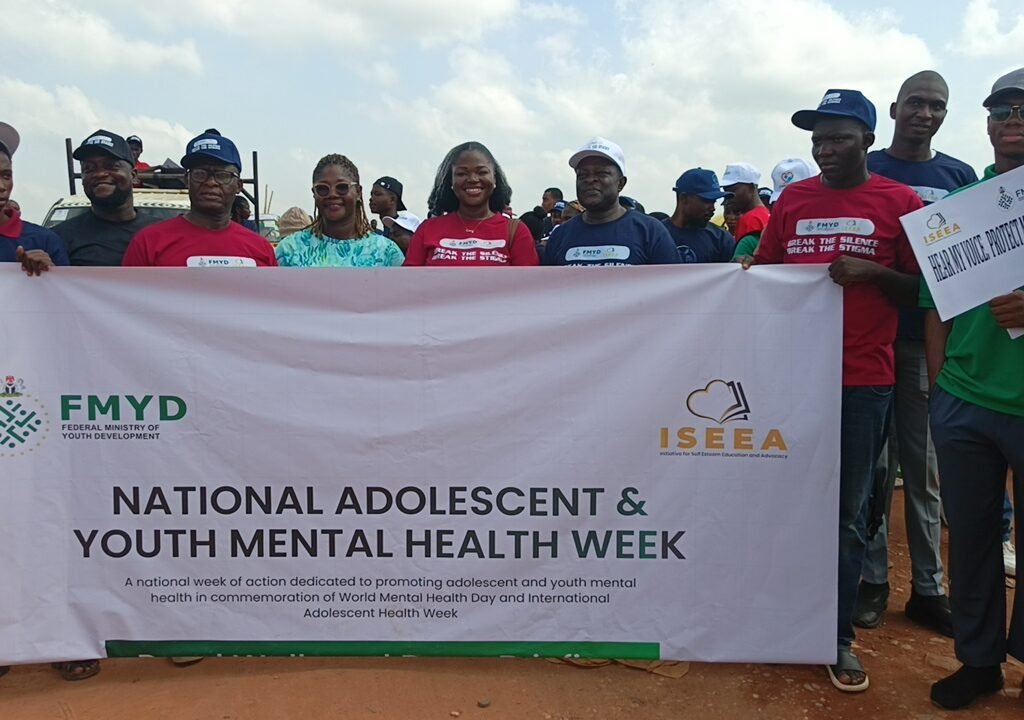
Organisers say the initiative is intended to translate public conversations into sustained action, strengthen partnerships and improve mental health awareness and support for young Nigerians.
They maintain that meaningful progress will require continued collaboration among government, educational institutions, families, healthcare providers, civil society and young people themselves.
The organisers’ central message is that mental health must become an integral part of Nigeria’s youth development agenda, with no young person left to face mental health challenges alone.
Source: Media360Impact, based on remarks delivered by the Federal Ministry of Youth Development, the African University of Science and Technology and ISEEA at the 2026 National Adolescent and Youth Mental Health Week launch in Abuja.