
0-0x0-0-0-{}-0-0#
By Gabriel Ameh
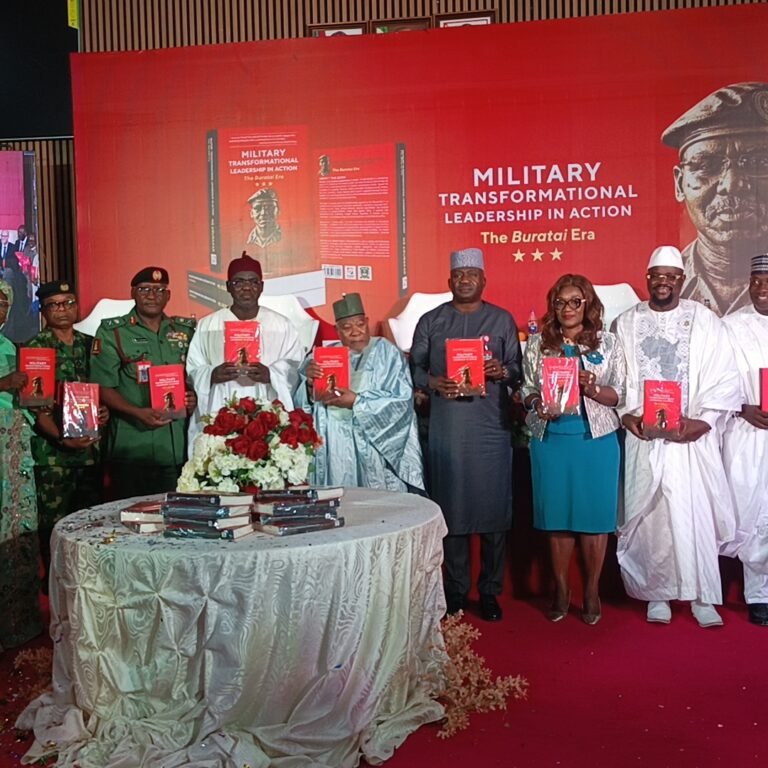
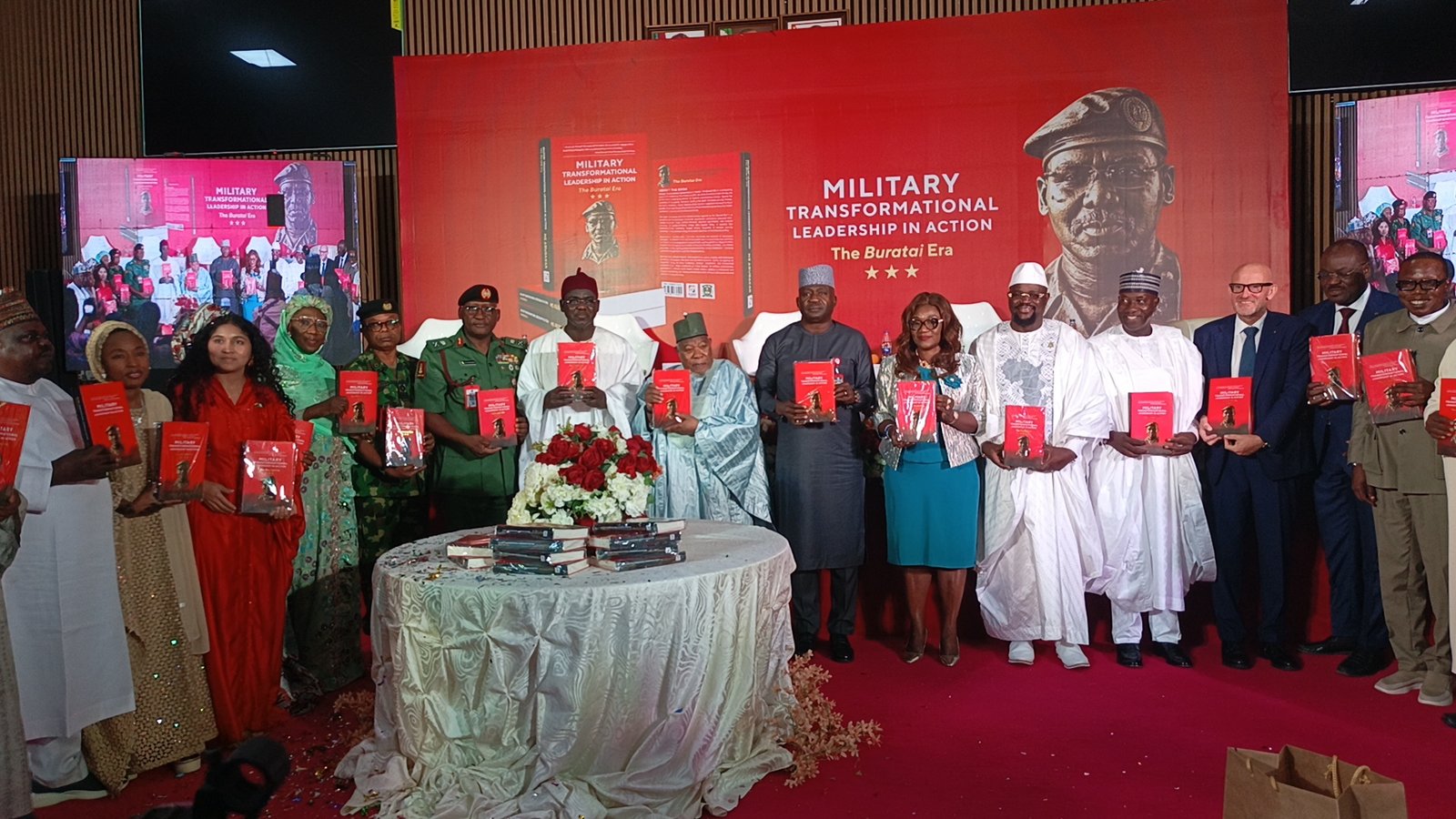
ABUJA — Questions of military leadership, institutional transformation, national security and Nigeria’s future took centre stage on Wednesday as dignitaries gathered in Abuja for the public presentation of Military Transformational Leadership in Action: The Buratai Era.
The book, authored by Dr Mohammed Sani Abubakar and published by Sprezzatura Publishing Limited, examines the leadership and institutional changes associated with Lieutenant General Tukur Yusufu Buratai’s tenure as Chief of Army Staff from 2015 to 2021.
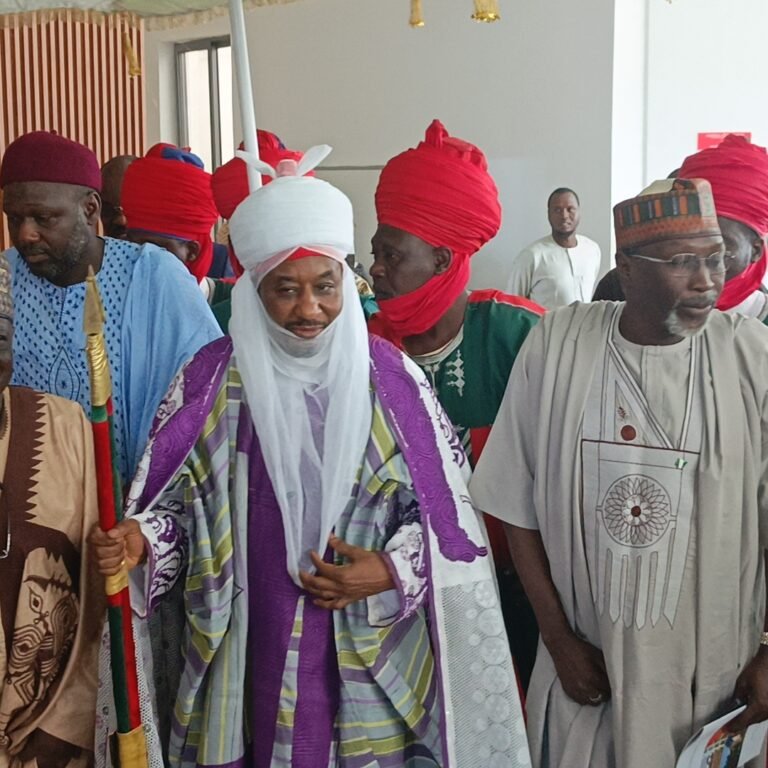
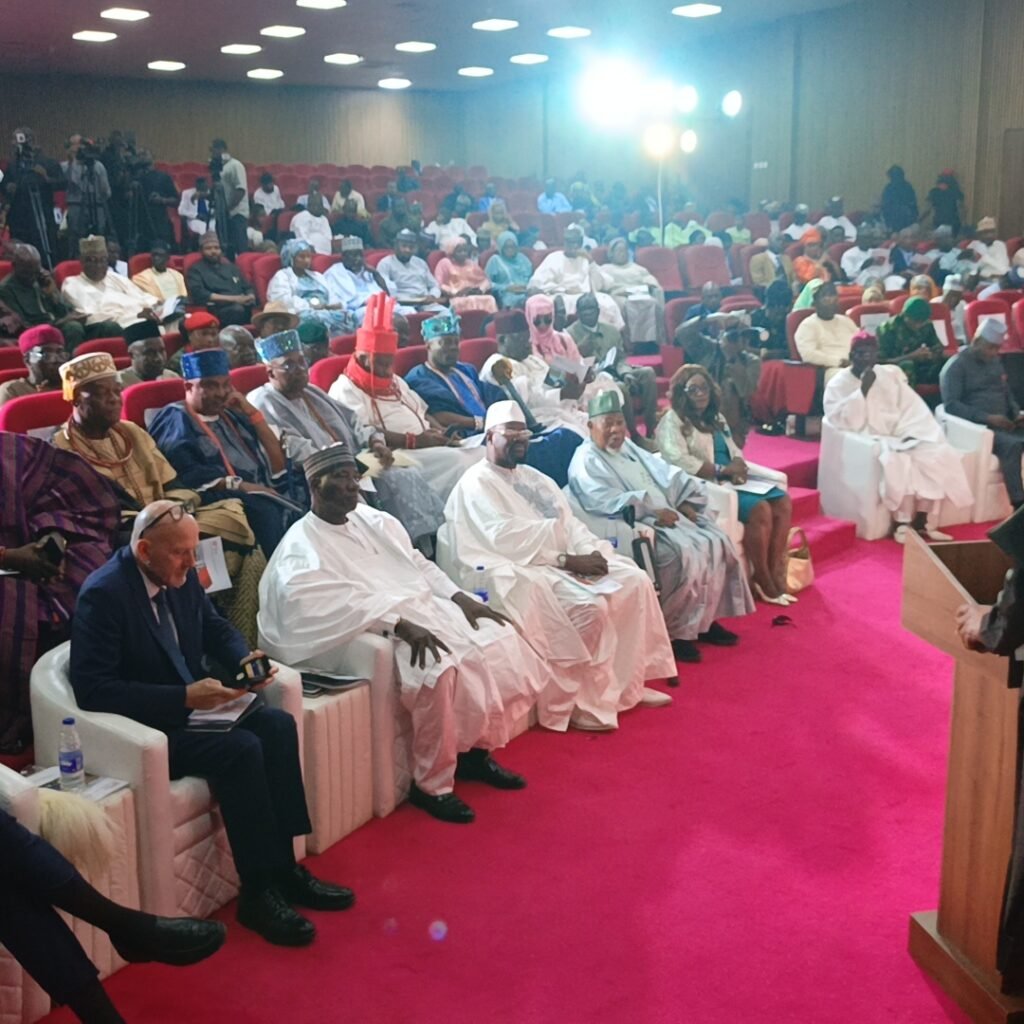
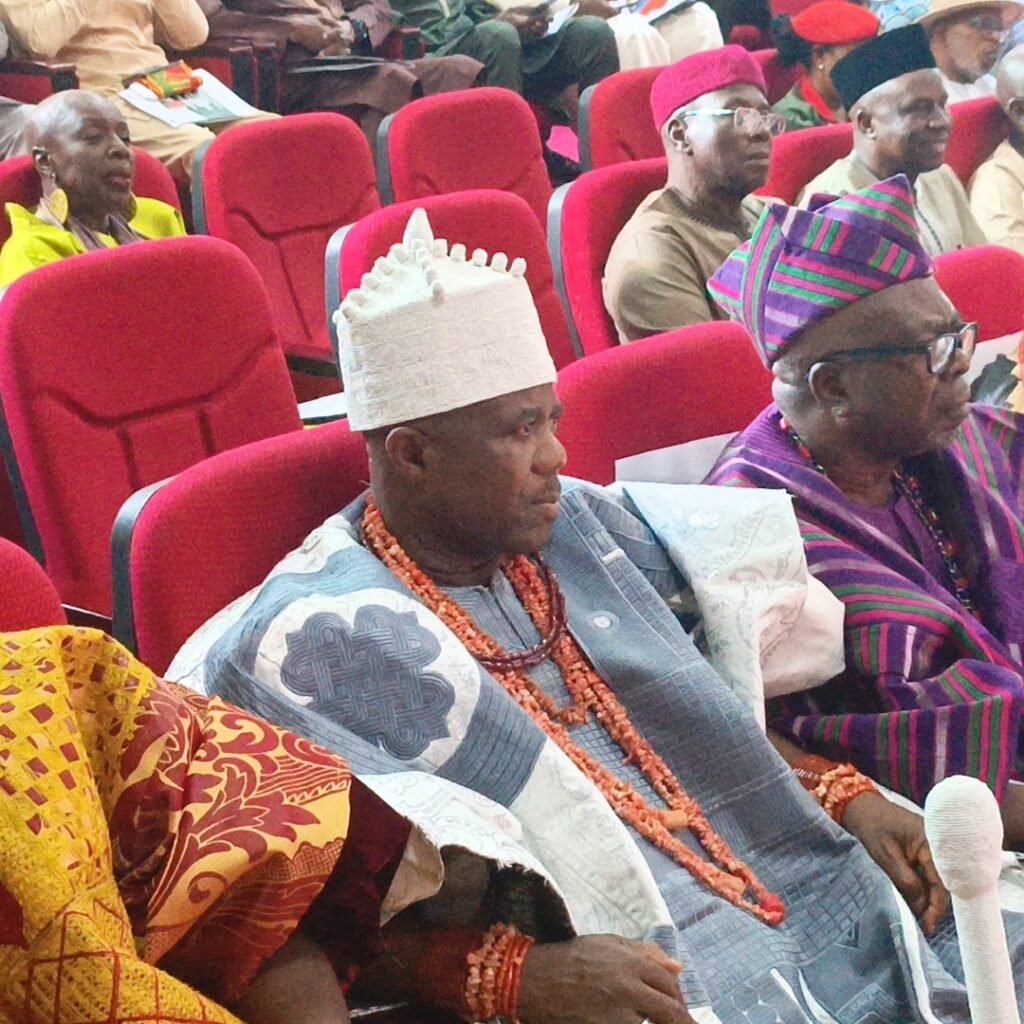
The presentation brought together serving and retired military officers, policymakers, traditional rulers, academics, members of the diplomatic community and other stakeholders.
In his opening remarks, the Chairman of the Occasion, Alhaji Dr Umar Abdul Mutallab, described the publication as more than a book about an individual military commander.
He said it provided an opportunity to reflect on leadership, institutional transformation, national service and experiences that shaped an important period in Nigeria’s military history.
Mutallab noted that national history is preserved not only through official records and monuments but also through publications that enable future generations to understand decisions, challenges, reforms and experiences at critical moments.
He commended the author and contributors for documenting the experiences surrounding the period, while urging readers to approach the work with balance, honesty and historical consciousness.
According to him, praise, criticism and scholarly analysis all have a place when the objective is to learn from the past and build stronger institutions.
Book reviewer examines Buratai’s leadership
Reviewing the book, Major General I. D. Penap (retd.) described the publication as a significant contribution to discussions on military leadership and Nigeria’s contemporary security history.
Penap said the 552-page book, structured across 12 chapters and four major parts, traces Buratai’s early life and military career before examining his tenure as Army Chief and the institutional reforms associated with the period.
He said the author relied on military records, policy documents, interviews and extensive analysis in examining issues including military doctrine, training, troop welfare, logistics, equipment, human capital development, operational strategy and international partnerships.
Penap said the central question raised by the publication was what transformational leadership means within a military organisation and to what extent Buratai’s tenure can be examined through that framework.
He explained that the book’s significance extends beyond Buratai’s personality, as it examines how military institutions respond to pressure, adapt to changing threats and modify their command and decision-making structures.
The reviewer also highlighted the challenges confronting the Nigerian Army during the period, including insurgency, terrorism and asymmetric warfare.
He said the changing nature of the conflict required commanders to respond to an adversary that was mobile, dispersed and capable of exploiting difficult terrain and civilian environments.
According to Penap, the book therefore presents transformation as an organisational necessity rather than simply a personal leadership preference.
Sanusi II links insecurity to national cohesion and institutions
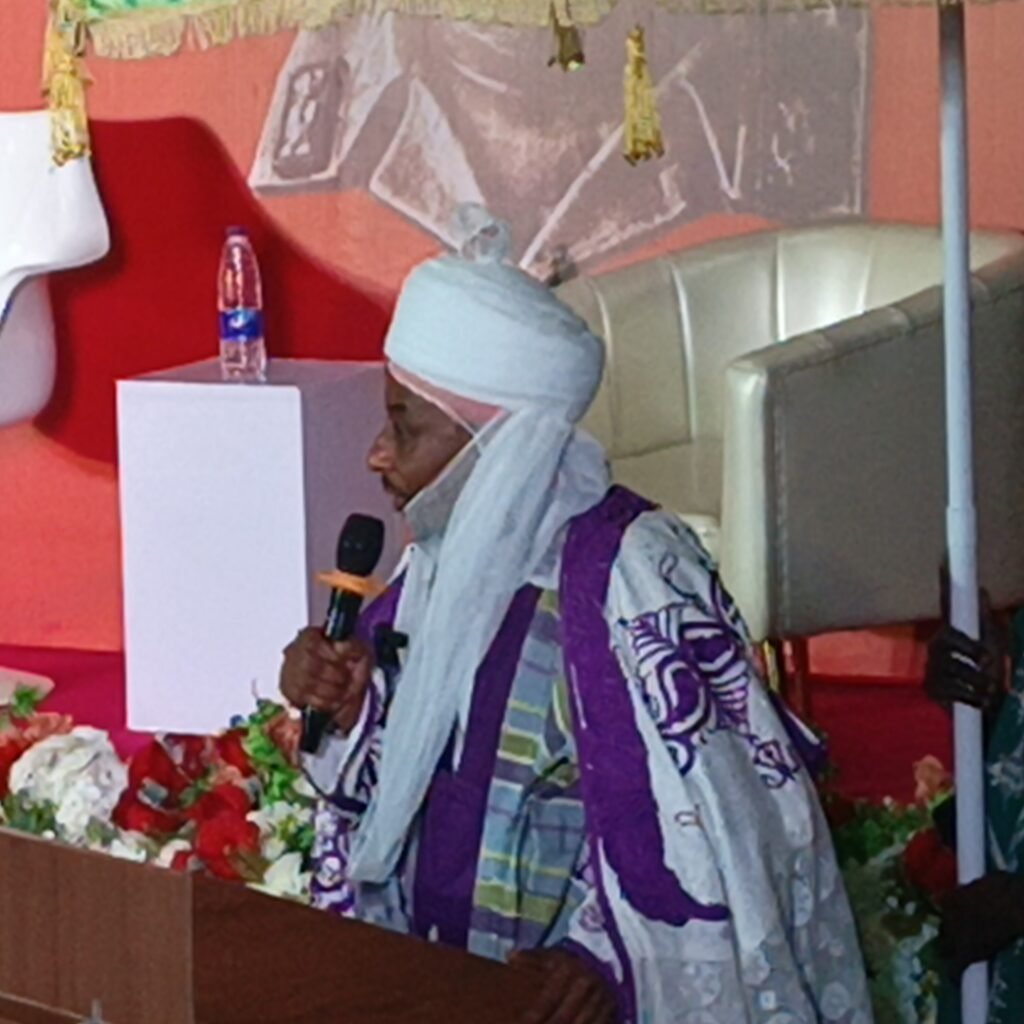
The Emir of Kano, Muhammadu Sanusi II, used the occasion to broaden the discussion beyond military operations, linking Nigeria’s security challenges to social cohesion, institutional strength and economic conditions.
Sanusi argued that Nigeria’s security crisis should not be viewed only through the lens of terrorism, banditry or armed violence.
He said divisions expressed through ethnic and religious identity had contributed to an environment in which violent movements could emerge and urged Nigerians to strengthen their sense of national identity.
The Emir also called for a clearer distinction between political and institutional responsibilities.
He argued that institutions such as the military, police, judiciary, central bank and media require sufficient independence and institutional strength to perform their roles effectively.
According to him, strong leadership and strong institutions should not be treated as competing alternatives because both are necessary for sustainable national development.
Sanusi also argued that security institutions must think beyond electoral cycles, stressing the importance of long-term institutional planning.
“Leadership is fully transformational if it outlasts you,” he said, emphasising the importance of reforms and institutions that continue beyond the tenure of individual office holders.
The Emir further drew attention to the relationship between the economy and security.
He said unemployment, lack of education, poverty and limited economic opportunities can make young people vulnerable to manipulation and recruitment by violent groups.
He therefore called for greater investment in education, jobs and economic opportunities alongside continued efforts to address military and security challenges.
Sanusi concluded by acknowledging the sacrifices of members of the Armed Forces and expressing hope for a return to greater peace and security in Nigeria.
Defence Minister: Buratai identified future leaders
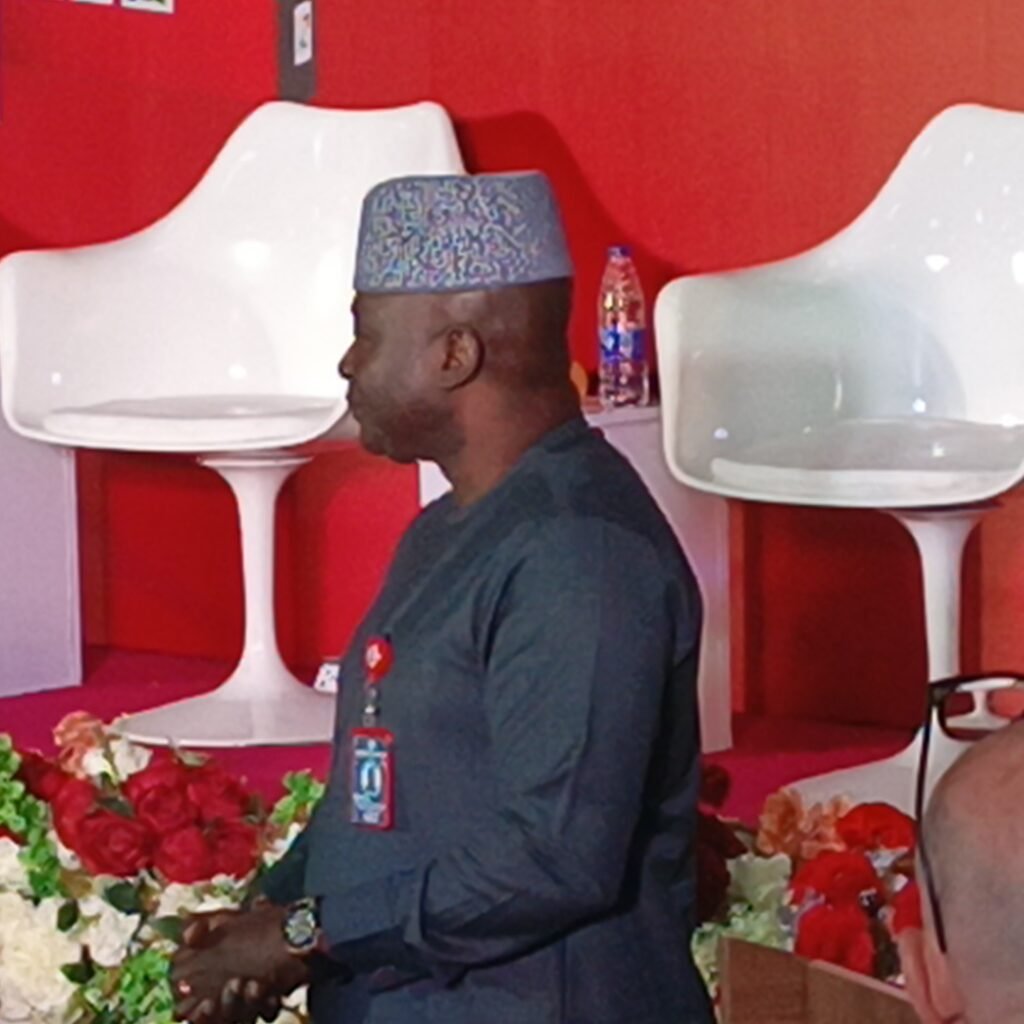
The Minister of Defence, General Christopher Musa (retd.), who presented the book, described himself as a direct beneficiary of the professional experiences and leadership legacy associated with Buratai.
Musa recalled that when Buratai assumed command, he moved quickly to address some of the challenges confronting the Nigerian Army at the time.
He particularly highlighted what he described as Buratai’s ability to identify and develop future military leaders.
According to Musa, several officers given opportunities during the period later rose through the ranks to become senior commanders.
He also recalled Buratai’s personal commitment to military operations, saying the former Army Chief maintained demanding schedules and regularly travelled to operational areas.
Musa said the example demonstrated a leadership approach centred on personal commitment and engagement with troops and commanders.
He thanked Buratai for the opportunities he provided to officers and said the impact of his leadership could be seen in the careers of those he mentored.
The Defence Minister also challenged current and future leaders to continually ask themselves what positive contribution they were making to Nigeria.
Ndume calls for reflection on leadership and democracy
Senator Ali Ndume, in his goodwill message, used the occasion to call for broader reflection on Nigeria’s political and democratic development.
Ndume said Nigerians should avoid placing all responsibility for the country’s challenges on politicians, arguing that citizens and institutions also have roles to play in determining the quality of leadership.
He described Buratai as a source of professional and national inspiration and congratulated him on the publication.
Ndume also stressed the importance of democracy and good governance, saying Nigeria’s challenges require collective responsibility rather than blame directed at one group.
He urged Nigerians to continue working towards a stronger country, describing Nigeria as the nation’s common home.
A book positioned as a record of institutional experience
Throughout the presentation, speakers returned to a common theme: the importance of documenting Nigeria’s military and national-security experiences for future generations.
The book examines Buratai’s years as Army Chief against the backdrop of insurgency, terrorism and other complex security threats, while considering how leadership decisions interacted with institutional reforms and operational demands.
The author has previously described the publication as a study of leadership in action rather than simply a biography of the former Army Chief, with emphasis on how decisions, reforms and institutional responses evolved during a demanding period in Nigeria’s security history.
The Abuja presentation consequently served not only as a celebration of the publication but also as a platform for wider conversations about military leadership, institutional continuity, national security, economic development and the future of Nigeria.