
By Ameh Gabriel
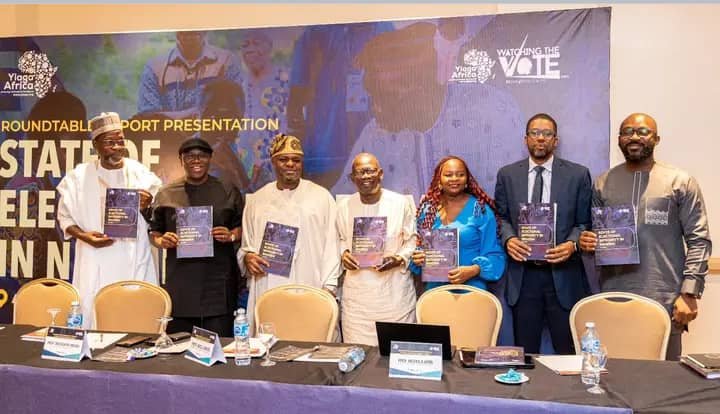
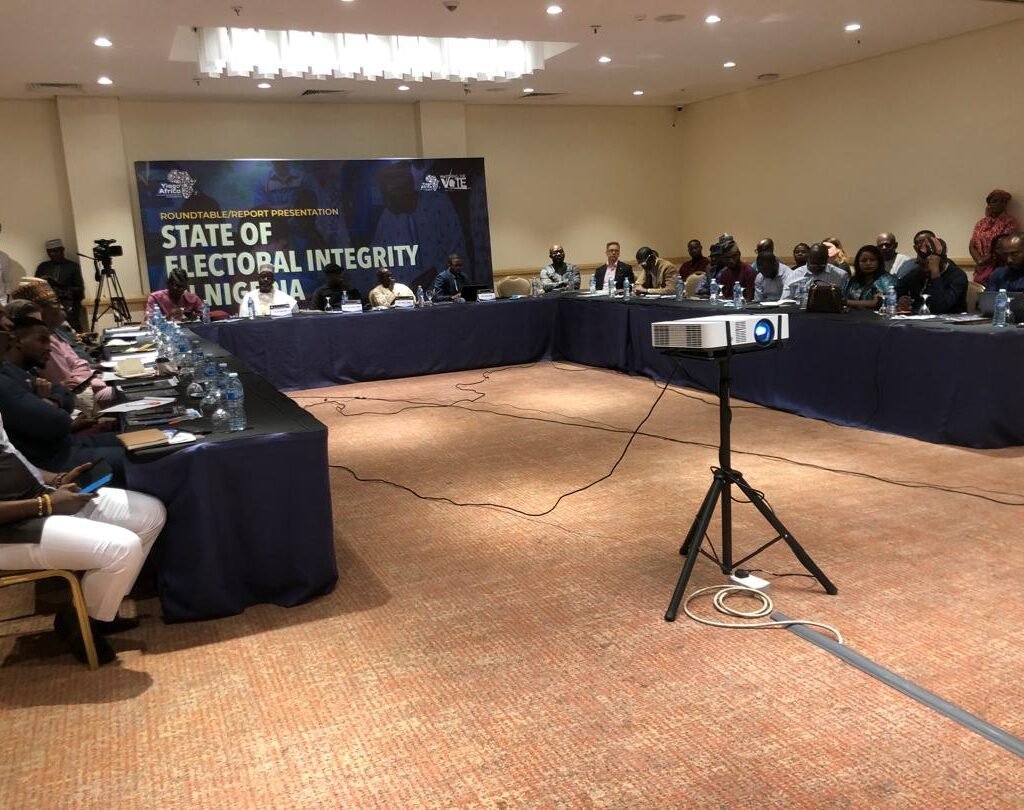
Abuja, Nigeria – June 26, 2025: As Nigeria navigates the midpoint of its 2023–2027 electoral cycle, a new report launched by Yiaga Africa has spotlighted deepening systemic challenges undermining the integrity of the country’s electoral processes. The “State of Electoral Integrity in Nigeria” report, presented during a high-level roundtable in Abuja, calls for urgent electoral, legal, and institutional reforms to restore public confidence before the 2027 general elections.
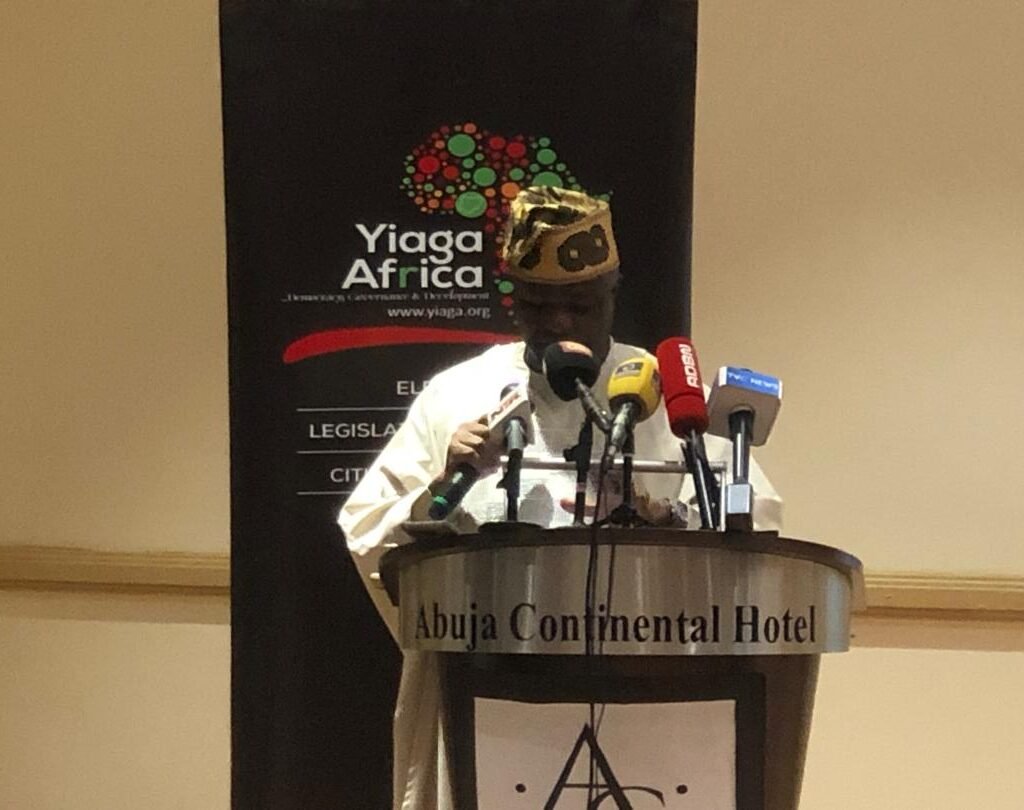
In his keynote remarks, Hon. Adebayo Balogun, Chairman of the House Committee on Electoral Reforms, emphasized the critical timing of the report.
“This report provides lawmakers, civil society, and the Electoral Commission with a necessary reality check. The National Assembly is committed to acting on its recommendations, especially as we move to conclude legal reforms that guarantee transparent, inclusive, and credible elections in 2027,” he said.
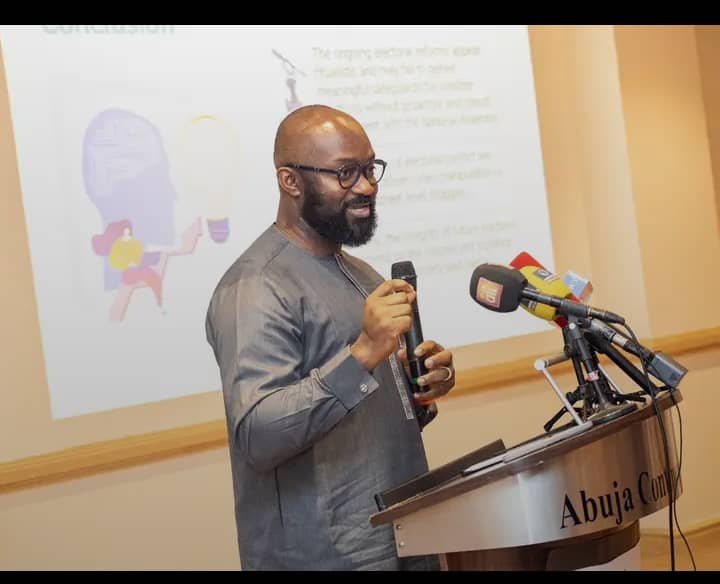
Delivering the opening remarks and presenting the report, Samson Itodo, Executive Director of Yiaga Africa, underscored the organization’s commitment to democratic accountability and citizen participation.
“This report is a product of rigorous research and stakeholder engagement. It reflects our collective desire for an electoral system that not only conducts elections but inspires confidence. We dedicate this work to the resilience of Nigerian citizens whose belief in democracy continues to drive our advocacy,” Itodo stated.
Key Findings from the Report
According to the report, the 2023 general elections marked a turning point for electoral credibility in Nigeria, failing to meet public expectations. INEC’s failure to electronically transmit presidential election results—despite promises and preparations—eroded trust in the electoral process. Subsequent off-cycle elections in Bayelsa, Kogi, Imo, and Ondo states did little to rebuild that trust.
The report identifies eight core threats to electoral integrity:
- Weak institutional independence, especially within INEC and the judiciary;
- Rampant political violence and voter intimidation;
- Persistent voter apathy, worsened by unmet democratic promises;
- Exclusion of marginalized groups, including women, youth, and persons with disabilities;
- Manipulation of public perception via disinformation and AI tools;
- Corruption and lack of consistency in judicial rulings on election disputes;
- Vote-buying and incumbency abuse, exacerbated by economic hardship;
- Early political maneuvering, undermining fairness and legal frameworks.
The findings were the result of collaborative work involving electoral scholars and stakeholders including Prof. Samuel Egwu, Safiya Bichi, Prof. Okechukwu Ibeanu, and Dr. Hussaini Abdu, Yiaga Africa Board Chair, among others. Contributions also came from former INEC officials, academics, civil society leaders, and media actors.
Strategic Recommendations
To reverse Nigeria’s deteriorating electoral climate, the report recommends:
Timely passage of amendments to the Electoral Act, including provisions for electronic result transmission, early voting, diaspora, and in-prison voting;
Establishment of an Electoral Offences Commission and Political Party Regulatory Commission;
Strengthening INEC’s independence, stakeholder communication, and internal capacity;
Judicial reform to improve electoral dispute resolution;
Greater inclusion of marginalized groups in governance and elections;
Protection against vote buying, disinformation, and cyber threats;
Enhancement of electoral security coordination, particularly in volatile regions.
“We cannot tech our way into electoral integrity,” Itodo warned. “Technology, while useful, is not a substitute for trust, transparency, and institutional credibility.”
Panel Discussion: Rebuilding Electoral Trust
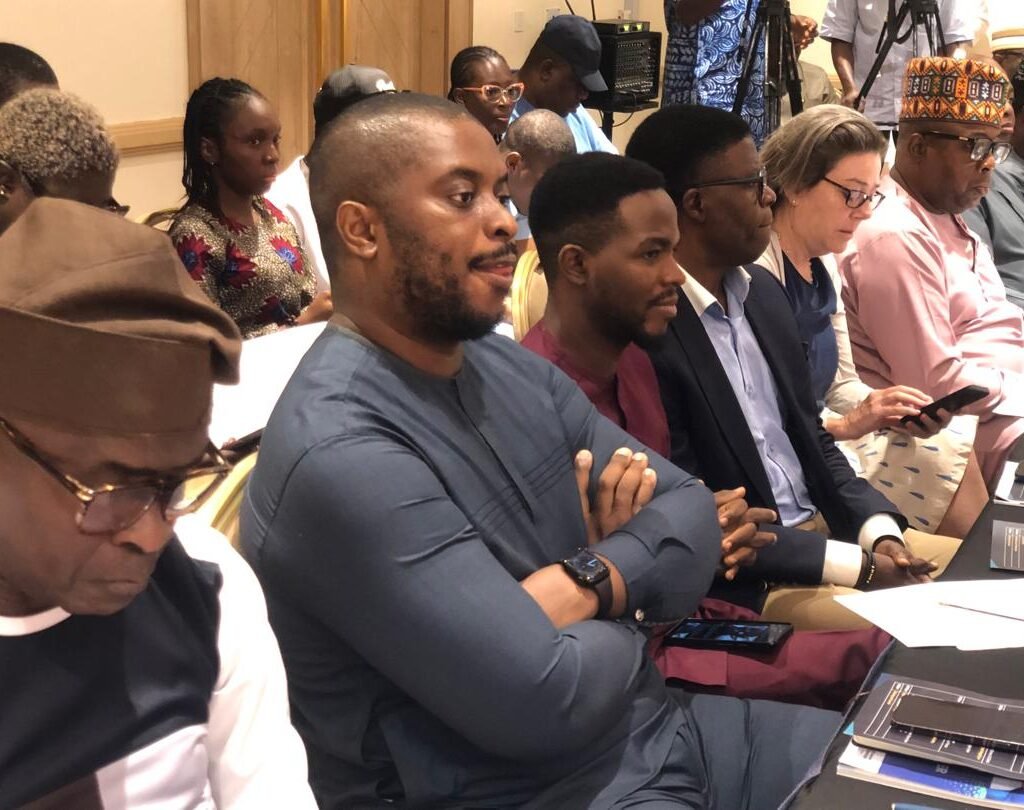
A thought-provoking panel chaired by Dr. Hussaini Abdu, featured distinguished speakers including Prof. Sam Egwu, INEC Commissioner (Benue), Ene Obi, former Country Director, ActionAid Nigeria, and Dr. Solomon Agbonhulu, Associate Professor of Law. Discussions centered on safeguarding electoral integrity in the face of political opportunism, disinformation, and institutional weaknesses.
Panelists agreed that unless deliberate actions are taken to address these structural issues, Nigeria risks sliding into deeper democratic disillusionment and voter disengagement. Prof. Egwu noted that while INEC faces criticism, the solution must be multi-stakeholder.
“This is a collective responsibility INEC alone cannot fix electoral integrity. Political parties, the judiciary, civil society, and the electorate must all act in concert,” Egwu emphasized.
Looking Ahead
With the 2027 elections looming and the current Electoral Act in place, Nigeria has a short window to initiate reforms. INEC is set to conduct off-cycle governorship elections in Anambra (2025), Ekiti and Osun (2026), and Area Council elections in the FCT (2026). These polls offer an opportunity to rebuild trust if the right steps are taken now.
Yiaga Africa concluded the roundtable with a strong call to action:
“The burden of restoring electoral integrity lies with all of us but above all, with the Nigerian people. We must remain vigilant, demand reforms, and insist on credible, inclusive, and democratic elections,” Itodo concluded.