

By Gabriel Ameh
As the world marks World Food Day 2025, the Corporate Accountability and Public Participation Africa (CAPPA) has called on the Nigerian government at all levels to adopt stronger food policies and regulations to safeguard citizens from the growing dangers of ultra-processed foods (UPFs) and sugary beverages.
In a statement commemorating the day, CAPPA warned that Nigerians—especially children and young adults—are increasingly being targeted by aggressive marketing campaigns promoting foods that are highly processed, nutrient-poor, and misleadingly branded as healthy and convenient.
“The result is a troubling shift from traditional, wholesome diets to unhealthy food habits that are fueling the country’s rising burden of noncommunicable diseases (NCDs) such as hypertension, diabetes, heart disease, and kidney failure,” the organisation said.
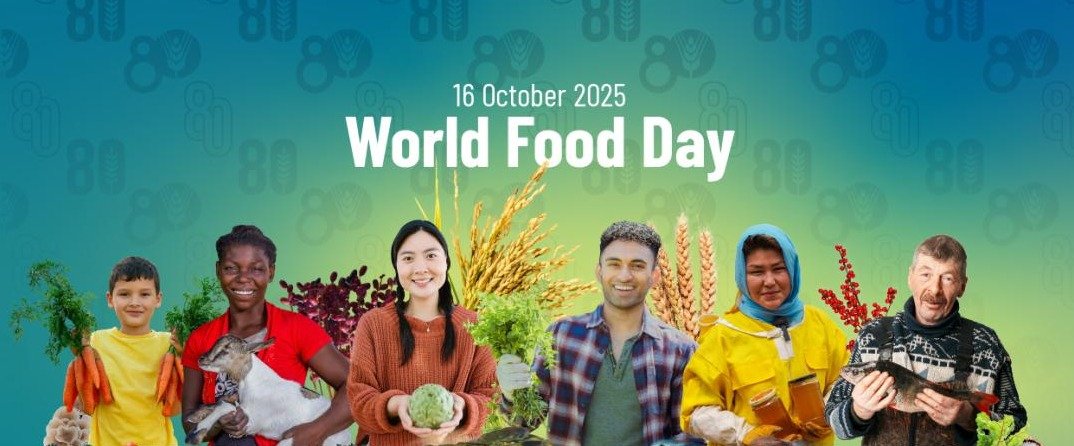
World Food Day, celebrated globally every October 16, commemorates the founding of the Food and Agriculture Organization (FAO) of the United Nations in 1945. This year’s theme, “Hand in Hand for Better Food and a Better Future,” calls for cooperation and evidence-based policies to ensure access to safe, affordable, and nutritious food for all.
CAPPA stressed that Nigeria’s commitment to such policies is critical to improving public health and achieving food security.
“Nigeria today faces a stark reality our country ranks among the lowest globally in life expectancy, with average lifespans in the mid-50s,” said Akinbode Oluwafemi, Executive Director of CAPPA. “This tragic statistic reflects systemic failure across our food and health systems and demands urgent regulatory action.”
Oluwafemi condemned the unchecked influence of corporations that use social media, celebrity endorsements, and school sponsorships to market unhealthy products, particularly to children. He cited CAPPA’s new report, “Junk on Our Plates: Exposing Deceptive Marketing of Unhealthy Foods Across Seven States in Nigeria,” which documents how multinational and local food companies employ manipulative advertising and misleading nutrition claims to normalise the consumption of ultra-processed, high-sugar, and high-sodium products.
According to the report, these marketing practices are particularly prevalent in low-income communities where healthier alternatives are scarce, worsening nutritional inequalities and eroding Nigeria’s traditional food culture.
“We cannot confront Nigeria’s declining life expectancy or the epidemic of NCDs without addressing this toxic marketing environment,” Oluwafemi added.
To reverse the trend, CAPPA outlined several urgent interventions:
Mandatory Front-of-Pack Labelling (FOPL) to help consumers make informed food choices.
Effective taxation on sugar-sweetened beverages (SSBs) to discourage consumption and fund health programs.
Mandatory sodium reduction targets for processed and pre-packaged foods.
Restrictions on marketing unhealthy foods and beverages to children, including on digital platforms.
Higher tobacco and nicotine taxes and stricter control on advertising of e-cigarettes and smokeless tobacco, particularly among youth.
The organisation noted that evidence-based policies such as FOPL and SSB taxation have proven effective in other countries and could significantly improve Nigeria’s public health outcomes.
“Excessive salt and sugar intake drive hypertension and premature deaths,” CAPPA stated. “Adopting these policies will save lives, reduce healthcare costs, and strengthen national productivity.”
Oluwafemi concluded with a call for political will and citizen-centered policymaking:
“As we commemorate World Food Day 2025, we must put people before profit. By implementing strong food and nutrition policies, Nigeria can secure a future where every citizen especially our children can live longer, healthier, and more dignified lives.”