
By Ameh Gabriel
Abuja, Nigeria – June 26, 2025 —
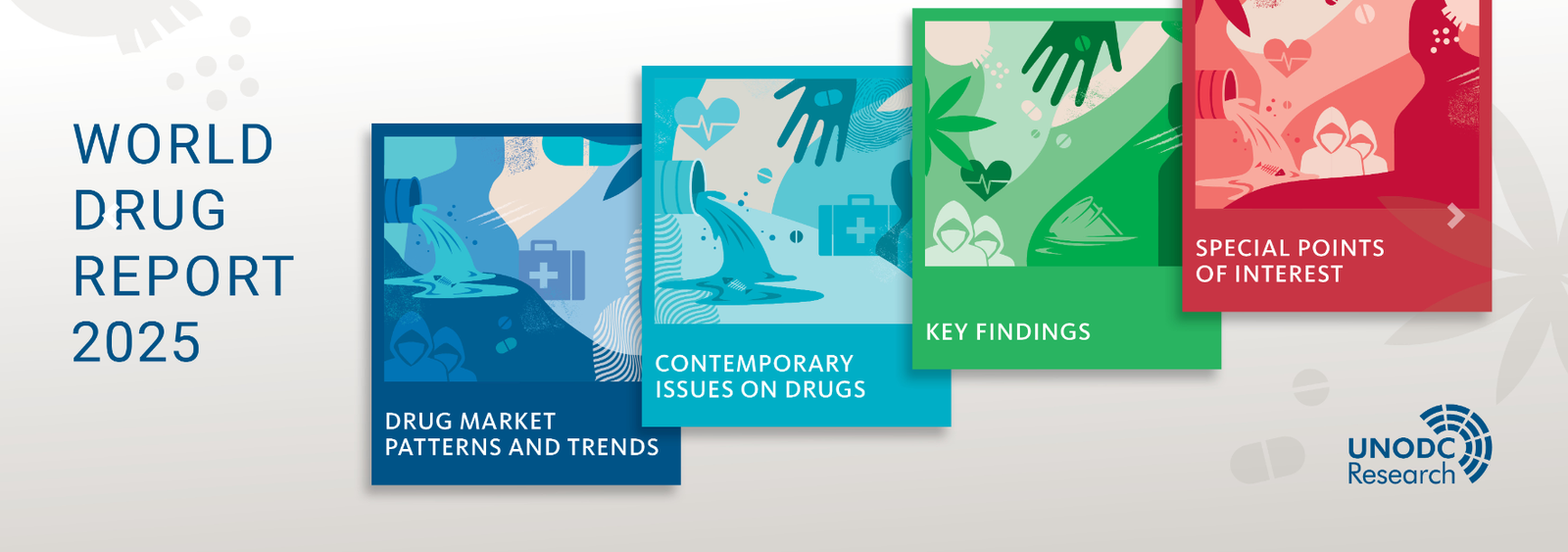
The United Nations Office on Drugs and Crime (UNODC) has warned that rising global instability is worsening the world drug crisis, empowering organized crime groups and pushing drug use to historic levels. This is contained in the World Drug Report 2025 released today.
According to the report, 316 million people or 6% of the global population aged 15 to 64 used illicit drugs in 2023, up from 5.2% in 2013. Cannabis remains the most widely used drug globally, with 244 million users, followed by opioids (61 million), amphetamines (30.7 million), cocaine (25 million), and ecstasy (21 million).
In Nigeria, cannabis remains the most abused illicit substance. Disturbingly, one in three Nigerian users require treatment or counselling, revealing a major shortfall in public health services and support structures.
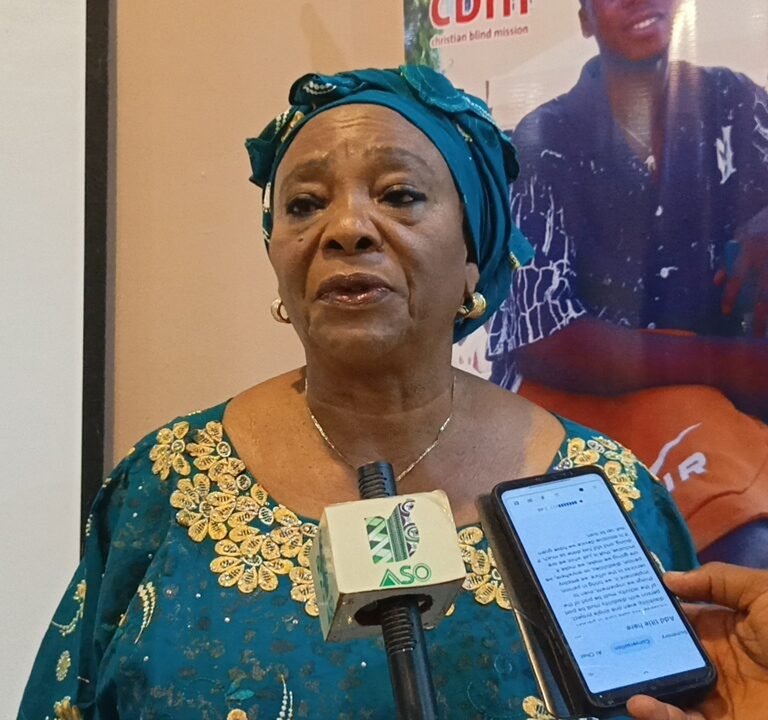
“Organized drug trafficking networks continue to adapt to global crises and exploit vulnerable communities,” said Ghada Waly, Executive Director of UNODC. “We must tackle this threat at every level from prevention and alternative livelihoods to leveraging technology and judicial enforcement.”
Cocaine Use Soars to New Highs
The report highlights an unprecedented rise in the global cocaine market, with production hitting 3,708 tons in 2023 — a 34% increase over the previous year. Cocaine seizures reached a record 2,275 tons, while global usage has surged from 17 million users in 2013 to 25 million in 2023.
Cocaine traffickers are aggressively expanding into African and Asian markets, while the abuse of pharmaceutical opioids especially tramadol has also spiked, with Africa accounting for most of the global seizures.
Synthetic Drugs Driving New Trends
The synthetic drug market, driven by amphetamine-type stimulants (ATS) like methamphetamine and “captagon,” is rapidly expanding due to low production costs and minimal detection risks. ATS now accounts for nearly half of all global synthetic drug seizures.
Synthetic opioids, including fentanyl, also remain a growing concern, particularly in countries with weak health systems.
Illicit Trade and Environmental Toll
The illicit drug economy, estimated to be worth hundreds of billions of dollars annually, is becoming more technologically sophisticated. Trafficking networks now rely on encrypted communication, concealed transport routes, and novel chemical masking agents.
The environmental impact of drug cultivation and production is also severe ranging from deforestation and land degradation to air and water pollution. Yet, the report finds that ecological considerations are often neglected in drug policy formulation and enforcement.
Nigeria’s Drug Burden Alarming
The report paints a troubling picture for Nigeria, where 14.4% of the population nearly three times the global average use drugs. Over 3 million Nigerians live with drug use disorders, and 9.2% of people who inject drugs are HIV positive.
Access to treatment remains limited. According to Cheikh Toure, UNODC Country Representative in Nigeria, this crisis is “not just a health emergency, but a development, security, and peacebuilding challenge.”
In Africa, only 3.4% of people with drug use disorders are estimated to receive treatment. UNODC is calling on governments to scale up cost-effective, evidence-based, and health-focused interventions.
A Call to Action
The report urges countries to invest in comprehensive solutions, including:
- Integrating drug treatment into national health systems
- Empowering law enforcement with modern tools and intelligence
- Mapping drug trafficking networks to identify vulnerabilities
- Considering environmental impacts in anti-drug operations
The World Drug Report 2025 serves as a stark reminder that unless decisive, multi-sectoral action is taken, the global drug problem will continue to threaten health, security, environment, and development.