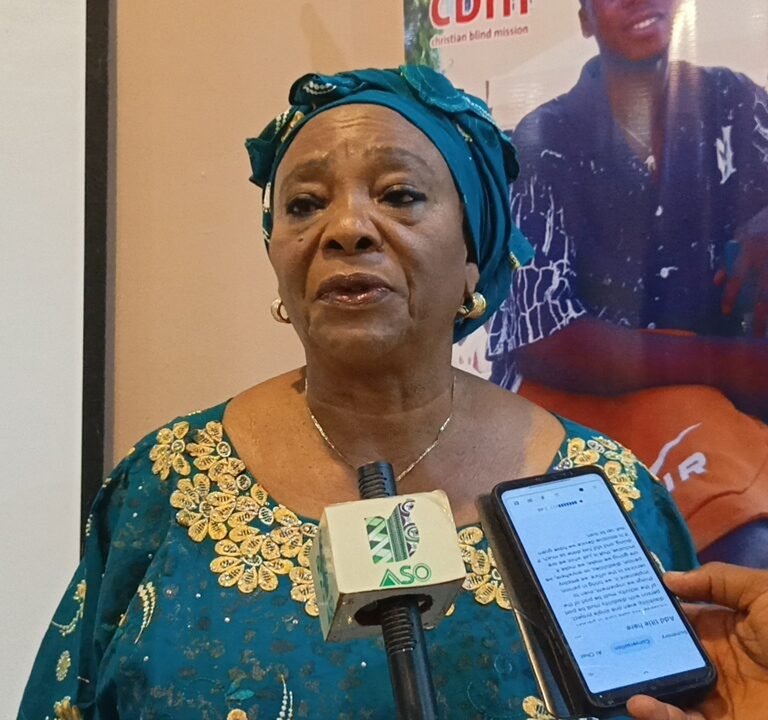
By Ameh Gabriel
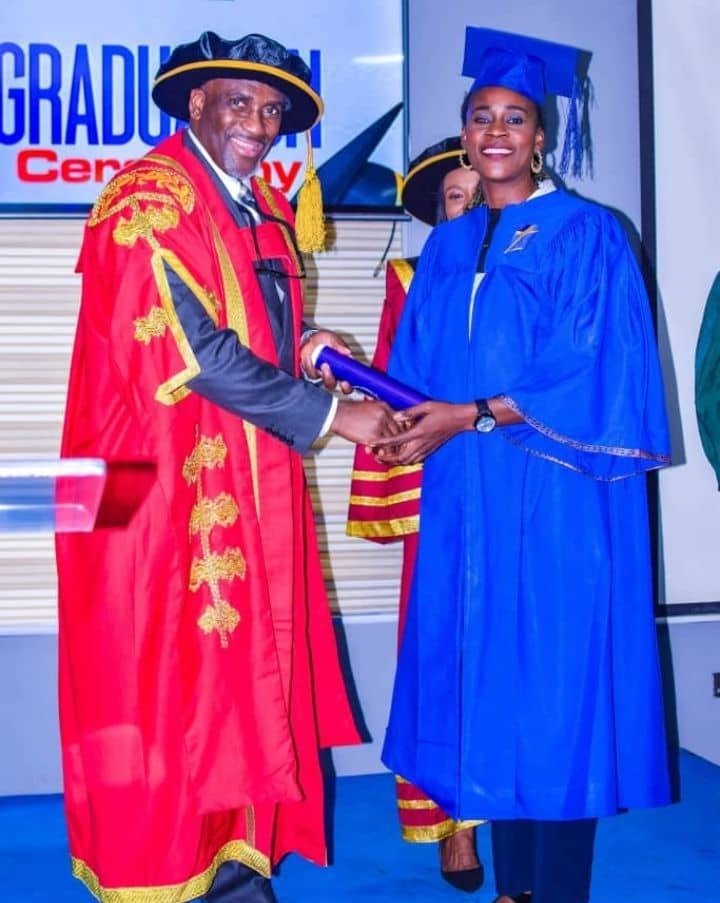
It was a moment of celebration, reflection, and inspiration as Caroline Ameh, a respected Abuja-based journalist, joined other graduands at the 3rd Convocation Ceremony of Berean Bible College (BBC), Abuja, held on Saturday, July 26, 2025.
Friends, family, colleagues, and admirers gathered to honour Ameh, whose graduation marks a significant milestone in her personal and professional journey. Known for her commitment to journalistic integrity, Ameh’s pursuit of theological education was widely applauded, adding a new dimension to her growing influence in both the media and faith communities.
The ceremony, held at the college premises, drew a remarkable turnout and featured a compelling keynote address by the President of the College, Rev. Yomi Kasali renowned theologian and founder of the Fountain of Life Church.
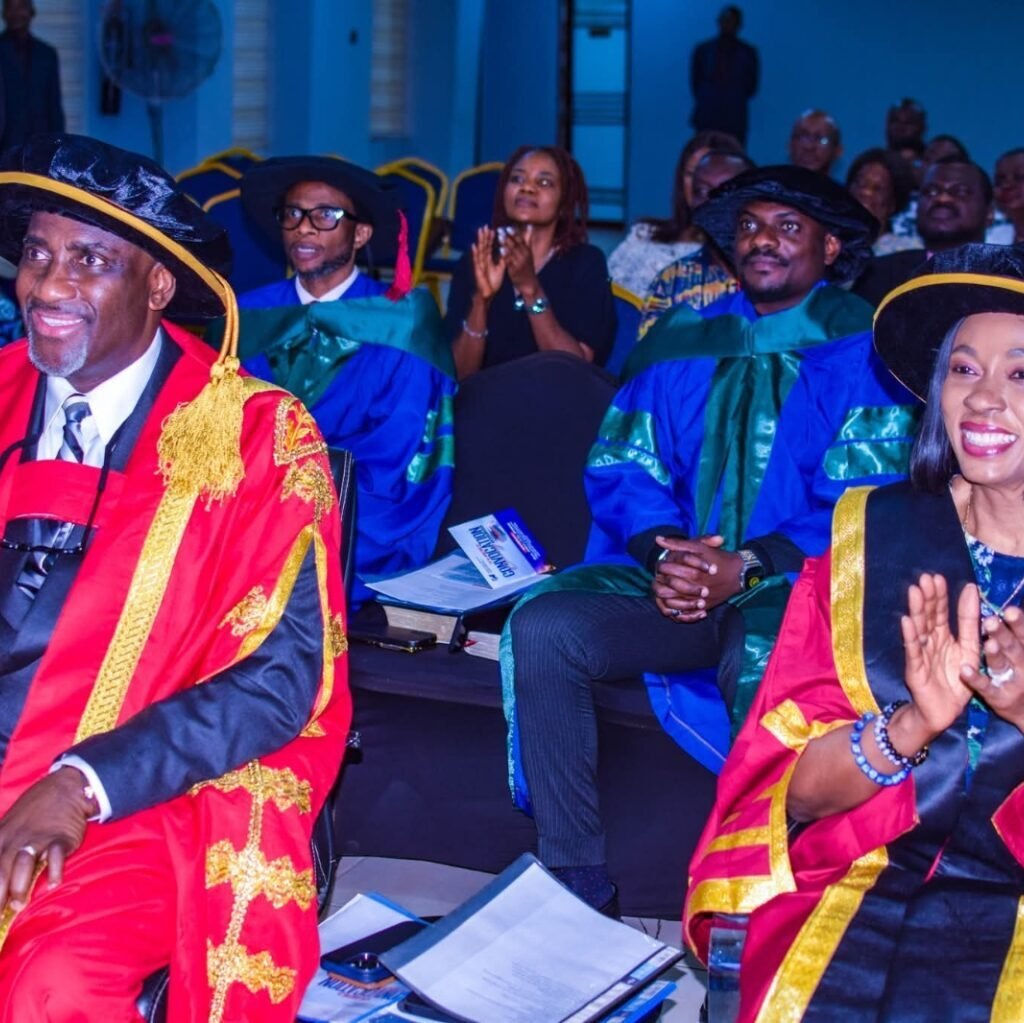
In his charge to the graduating class, Rev. Kasali emphasized the urgent need for moral uprightness, doctrinal soundness, and spiritual balance in ministry. “This is a time when the Christian faith is not just challenged from outside but threatened from within by shallow and misleading doctrines,” he said, calling on graduates to “rightly divide the word of truth.”
He expressed concern about the rising popularity of doctrinal ideologies such as Calvinism, particularly the “once saved, forever saved” teaching. Kasali traced its roots to 16th-century reformer John Calvin and urged the graduates to evaluate such teachings critically and biblically.
“Some even go as far as dismissing the words of Jesus as irrelevant because they believe He spoke only under the Old Covenant. We must address such dangerous distortions with sound theology,” he warned.
As part of efforts to enhance doctrinal depth, Rev. Kasali proposed increasing the theological content of Berean’s curriculum from 40% to 50%. He stressed the importance of scriptural literacy particularly the study of the Bible in its original Greek and Hebrew languages—and called for a renewed focus on core disciplines such as hermeneutics and soteriology.
“Soteriology helps us answer questions like: What part of a man is saved the spirit, soul, or body? Can salvation be lost? These are the debates the church must not shy away from,” he noted.
Kasali lamented the emergence of intellectually sound yet morally compromised ministers, stressing that theological training must go beyond academics to cultivate ethical and spiritual integrity.
“How can you be theologically sound but morally bankrupt? That is a contradiction. The church must raise ministers whose minds, hearts, and hands are all trained to glorify God,” he declared.
To encourage open and respectful theological dialogue, he proposed the launch of a National Christian Debate Series in Abuja, with the inaugural topic: “Once Saved, Forever Saved True or False?” He called for participation from theologians, pastors, and students representing diverse Christian traditions, emphasizing that disagreement should not equal hostility.
“You can challenge someone’s theology without hating them. That’s maturity. Let’s return to the biblical model of reasoning through the Scriptures, just as Apostle Paul did in Acts 17,” he urged.
Rev. Kasali also highlighted the need for a digital presence, suggesting the use of YouTube and other platforms to disseminate sound teaching and reach a wider audience. He underscored that character must trump personality in Christian leadership: “By their fruits not their leaves you shall know them,” he said, quoting Christ’s words.
He ended his address with a three-point charge to the graduates and faculty:
- Engage deeply with Scripture;
- Be open-minded yet rooted in sound doctrine;
- Maintain Christian love even amid theological differences.
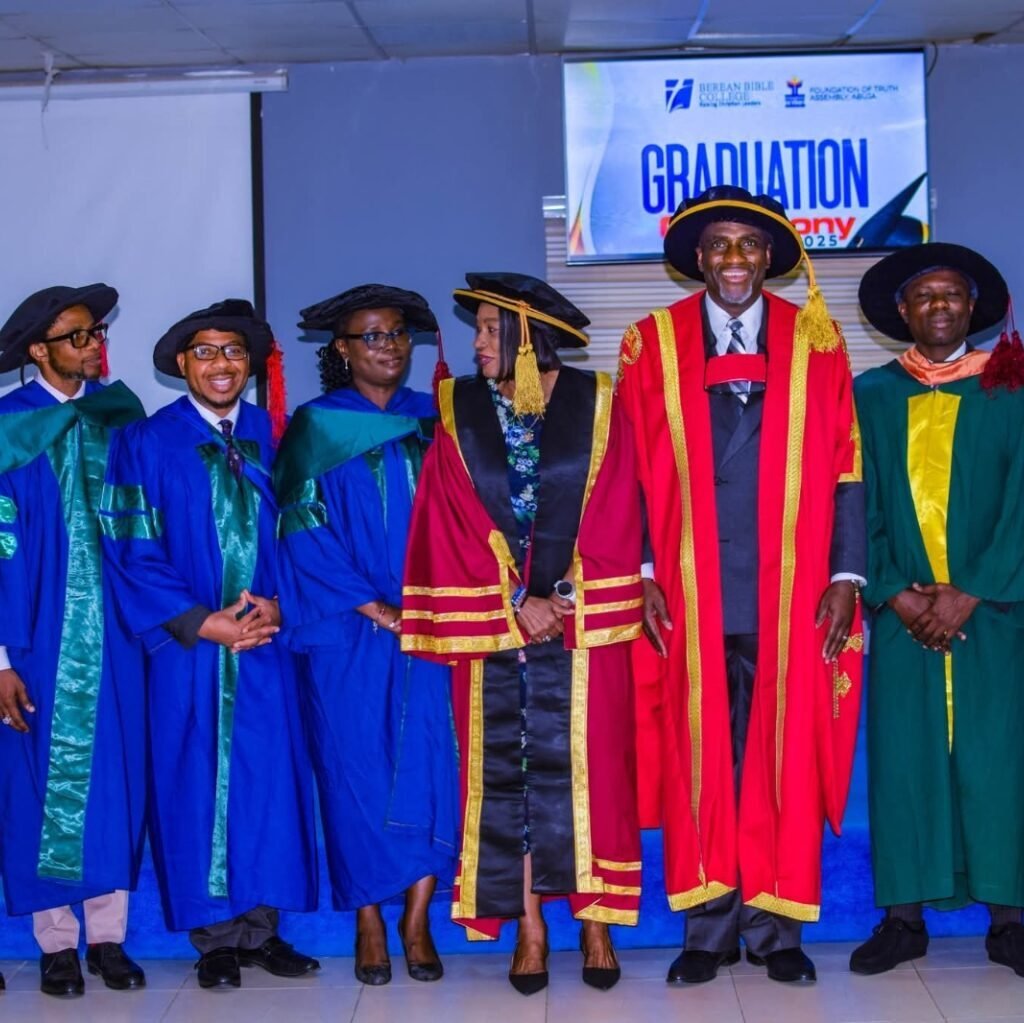
“This college is more than a Bible school,” Kasali concluded. “It is a place where minds are sharpened, hearts are formed, and hands are trained for service to God and humanity.”
As the convocation drew to a close, attendees reflected on the institution’s commitment to equipping leaders who embody integrity, humility, and doctrinal depth qualities that Caroline Ameh and her fellow graduates are expected to carry into their respective callings.