
By Gabriel Ameh
📍Abuja | Media360Impact Report
Nigeria has joined the global community to mark the World Meteorological Day 2026, emphasizing the urgent need for climate action, increased investment, and technological innovation to safeguard lives and drive sustainable development.
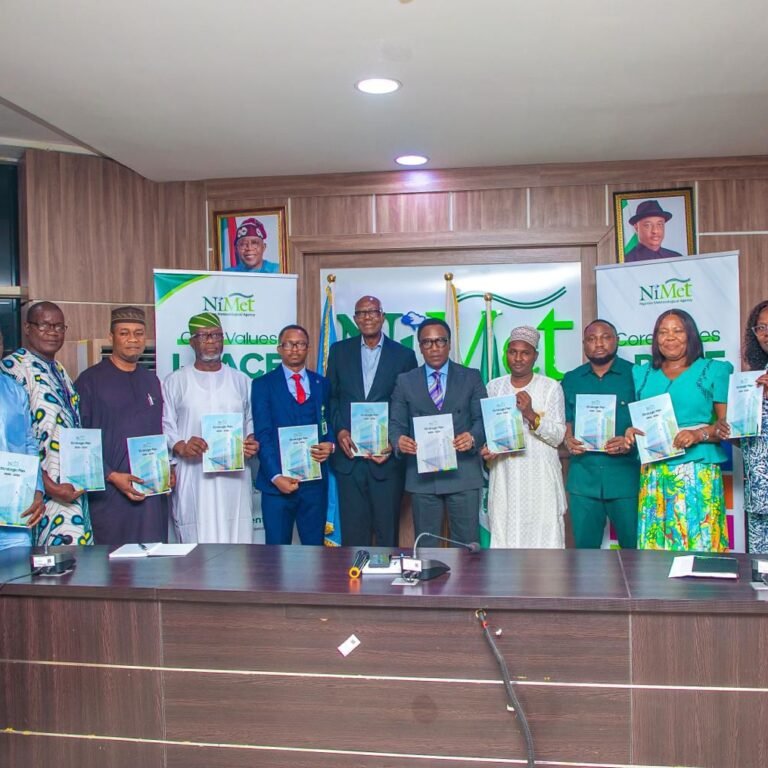
The event, held on March 25 at the headquarters of the Nigerian Meteorological Agency (NiMet) in Abuja, brought together stakeholders from government, aviation, science, and development sectors.
With the theme “Observing Today, Protecting Tomorrow,” the 2026 celebration highlighted the critical role of accurate weather and climate observations in securing the future of economies and communities.
Observed globally every March 23, the annual event commemorates the establishment of the World Meteorological Organization and underscores the growing importance of climate monitoring in an era of increasing environmental risks.
In his keynote address, NiMet Director-General, Charles Anosike, outlined Nigeria’s ongoing efforts to modernize its meteorological infrastructure to enhance forecasting accuracy and early warning systems.
He explained that data collected from land stations, aircraft, oceans, and satellites plays a vital role in delivering reliable weather forecasts and climate predictions.
According to him, these advancements have significantly supported critical sectors including aviation, agriculture, disaster management, and national planning.
Anosike also disclosed that Nigeria has extended technical support to countries such as Liberia, Niger, Somalia, and Burkina Faso to strengthen their weather observation capabilities, reinforcing regional cooperation.
Highlighting the scale of climate challenges, he stressed that no single nation can address them alone, calling for stronger international partnerships and increased investment in modern technologies.
Also speaking, Chris Najomo emphasized the direct link between meteorology and aviation safety, noting that accurate weather data is essential in preventing flight hazards and ensuring safe operations.
Other stakeholders, including representatives of the Nigeria Hydrological Services Agency, called for enhanced collaboration, sustained funding, and continuous innovation to improve climate services and build a more resilient future.