
By Favour Chioma
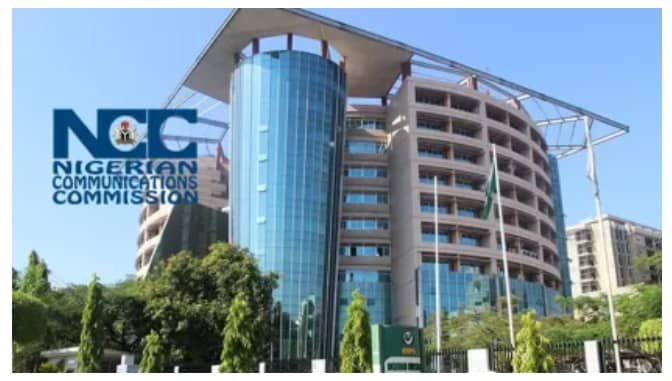
The Nigerian Communications Commission (NCC) has expressed serious concern over the country’s widening digital divide, revealing that only 23 percent of rural communities currently have access to the internet, compared to 57 percent of urban areas.
Executive Vice Chairman (EVC) of the NCC, Dr. Aminu Maida, made the disclosure on Wednesday during the Rural Connectivity Summit held in Lagos. He described the growing disparity in internet access as one of Nigeria’s biggest barriers to inclusive growth and sustainable national development.
Delivering a keynote address titled “Leaving Nobody Behind: Leveraging Regulatory Advantages to Bridge Nigeria’s Digital Divide,” Maida warned that the lack of digital connectivity in rural areas poses both developmental and security challenges.
“A community without digital connectivity is functionally invisible cut off from modern education, healthcare, markets, and opportunities. This ‘digital invisibility’ is unacceptable and must be urgently addressed,” he stated.
According to Maida, Nigeria’s broadband penetration currently stands at 48.81 percent, and studies show that a 10 percent increase in broadband access can raise national GDP by up to 1.38 percent, underscoring the strong link between digital connectivity and economic growth.
To close the rural connectivity gap, the Commission, through its Universal Service Provision Fund (USPF), has rolled out several targeted initiatives such as the Rural Broadband Initiative (RUBI) and the Accelerated Mobile Phone Expansion (AMPE). These programs are aimed at expanding digital access in underserved and commercially non-viable communities.
“Through the USPF, we have implemented over 2,500 education projects and distributed more than 100,000 computers to schools nationwide,” Maida revealed.
He also highlighted NCC’s progress in promoting e-health and accessibility projects, including telemedicine links between remote health centres and major hospitals, as well as assistive technology solutions for persons with disabilities.
On infrastructure rollout, the EVC commended the efforts of several state governments that have reviewed their Right-of-Way (RoW) charges to ease broadband deployment. He noted that 11 states have adopted zero RoW charges, while 17 others have pegged theirs at the ₦145 per linear metre benchmark.
However, Maida lamented the rising incidents of vandalism and theft targeting telecom facilities, which have hampered service delivery across the country.
“Between January and August 2025 alone, operators recorded more than 19,000 fibre cuts and over 3,000 cases of equipment theft. These acts delay service delivery, erode investments, and degrade the quality of experience for millions of Nigerians,” he said.
Reaffirming NCC’s commitment to achieving universal connectivity, Maida called for stronger collaboration between government agencies, telecom operators, and host communities to protect telecom infrastructure and accelerate broadband expansion.
“Connectivity is not just about internet speed it’s about opportunity, inclusion, and national prosperity,” he emphasized.