
By Ameh Gabriel
The National Gallery of Art (NGA) has unveiled a new digital platform aimed at enhancing public access to Nigeria’s national art collection, many of which have remained unseen for decades.
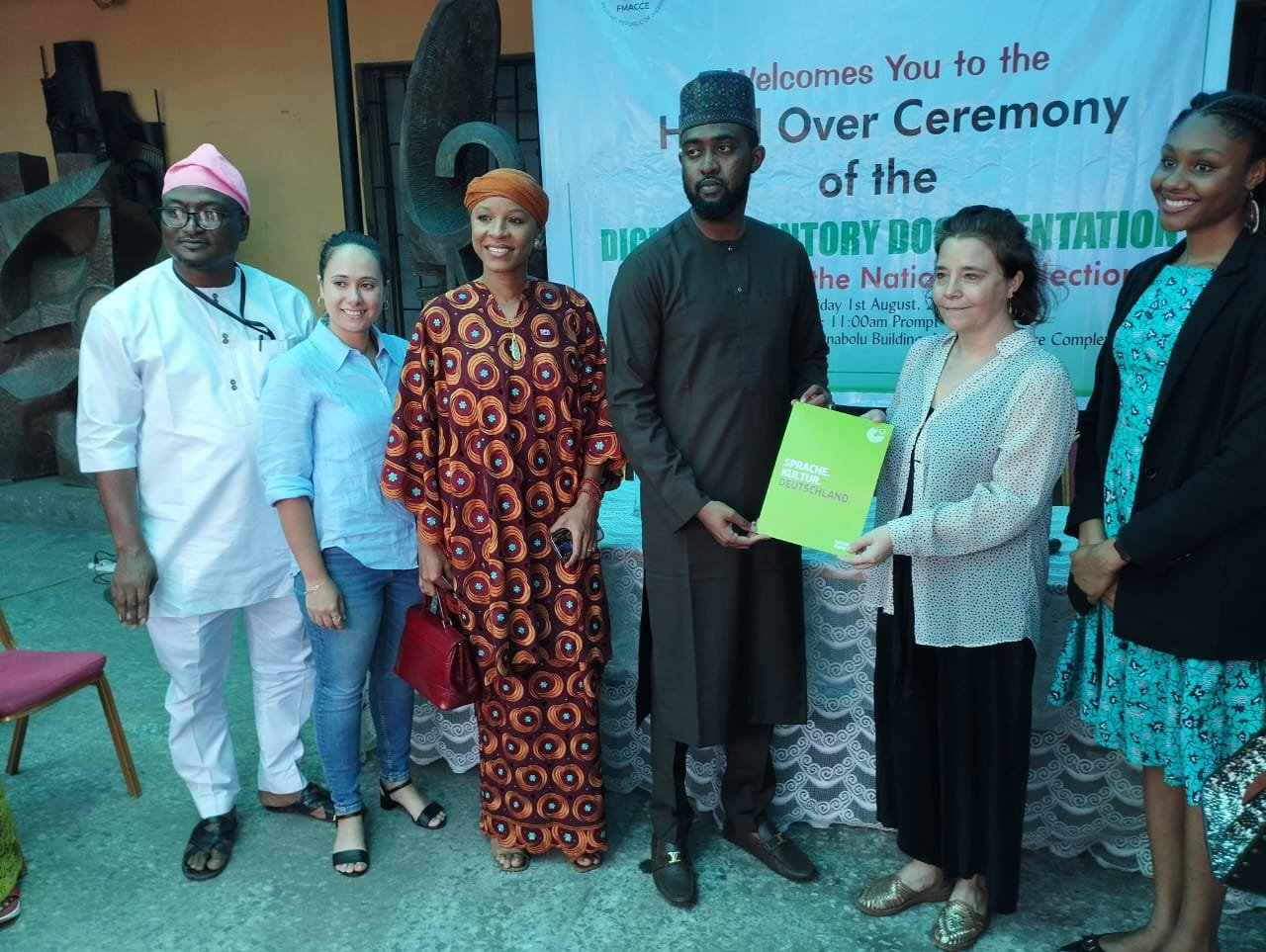
The launch was announced by NGA Director-General, Mr. Ahmed Sodangi, during a handover ceremony held on Friday in Lagos. The event was organised in collaboration with the Goethe-Institut and Julius Berger Nigeria Plc, under the theme: “Hand Over Ceremony of the Digital Inventory Documentation of Artworks in the National Collection.”
According to Sodangi, the digitisation initiative marks a critical milestone in opening up the national collection to Nigerians and the global public. He emphasized that these artworks, acquired with public funds, are invaluable cultural assets held in trust by the NGA on behalf of the Federal Government.
“These are priceless treasures many generations have never had access to. Whenever we speak about them, people ask: where are they? Now, through digitisation, they will be accessible and appreciated,” Sodangi said.
He revealed that poor storage conditions had long hindered public exhibitions of the collection. The new digital platform, currently being developed via NGA’s website, will host high-quality documentation, virtual exhibitions, and condition assessments of the artworks.
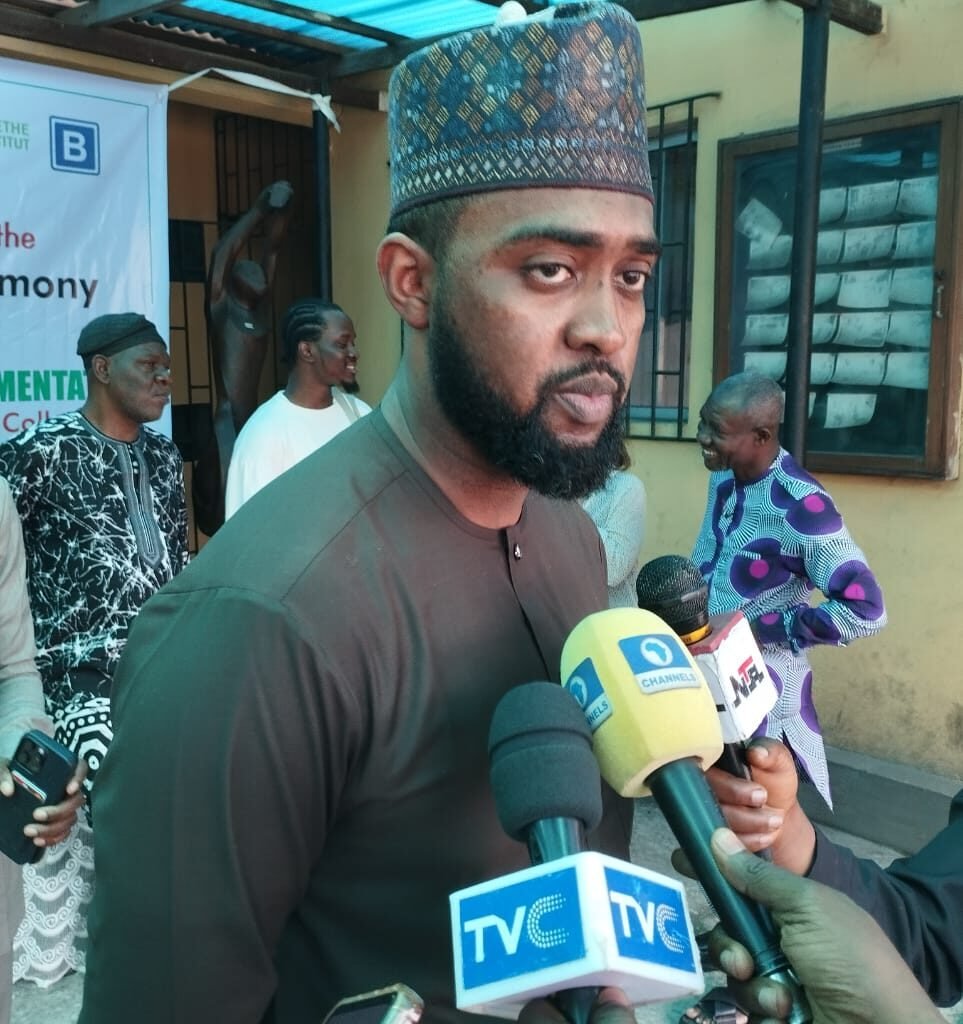
“We’re building a comprehensive art management system that will not only display the national collection but also facilitate virtual exhibitions, certification processes, and travel permits,” he added.
The project is part of a broader reform strategy following a 2024 ministerial retreat, which called for aligning Nigeria’s cultural institutions with national development goals. The digitisation effort is also a key pillar of NGA’s National Arts Renaissance Programme, which encompasses physical restoration of artworks, policy reforms, and the creation of innovation hubs across the country.
To further expand global visibility, Sodangi disclosed that the NGA has signed Memorandums of Understanding (MoUs) with Google Arts & Culture and the Centre for Black and African Arts and Civilisation (CBAAC). These partnerships will ensure broader online access and storytelling around the collection.
“We are also working on upgrading our storage infrastructure to ensure the long-term preservation of these restored artworks,” he said.
In her remarks, Mrs. Aisha Augie, Director-General of CBAAC, commended the NGA for taking a vital first step in documenting the national collection.
“If we don’t know what we have, we can’t plan for what we want to achieve. This inventory is foundational for the future of Nigerian art,” she stated.
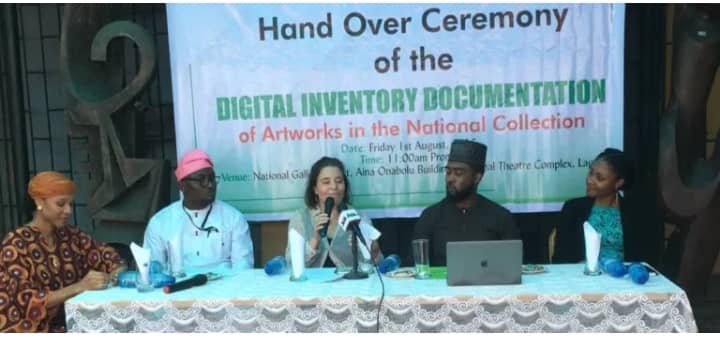
Dr. Nadine Siegert, Director of Goethe-Institut Nigeria, expressed pride in the successful completion of the digital documentation, which took four months. She also thanked Julius Berger for its support and the NGA for its trust.
“What may appear today as just numbers and text is actually a gateway to research, education, and cultural exchange. Scholars from around the world are eager to access these treasures,” she said.
Siegert emphasized that the digitisation could significantly contribute to Nigeria’s GDP by unlocking opportunities in tourism, education, and the creative economy.
The Museum of West African Art (MOWAA) also partnered in the project, assisting in stabilising artworks to prepare them for digital archiving and eventual exhibition.
The NGA’s digital art documentation is part of ongoing strategic reforms initiated in April 2025 to preserve, restore, and showcase Nigeria’s rich artistic heritage for both national pride and global recognition.