
Headline
By Gabriel Ameh
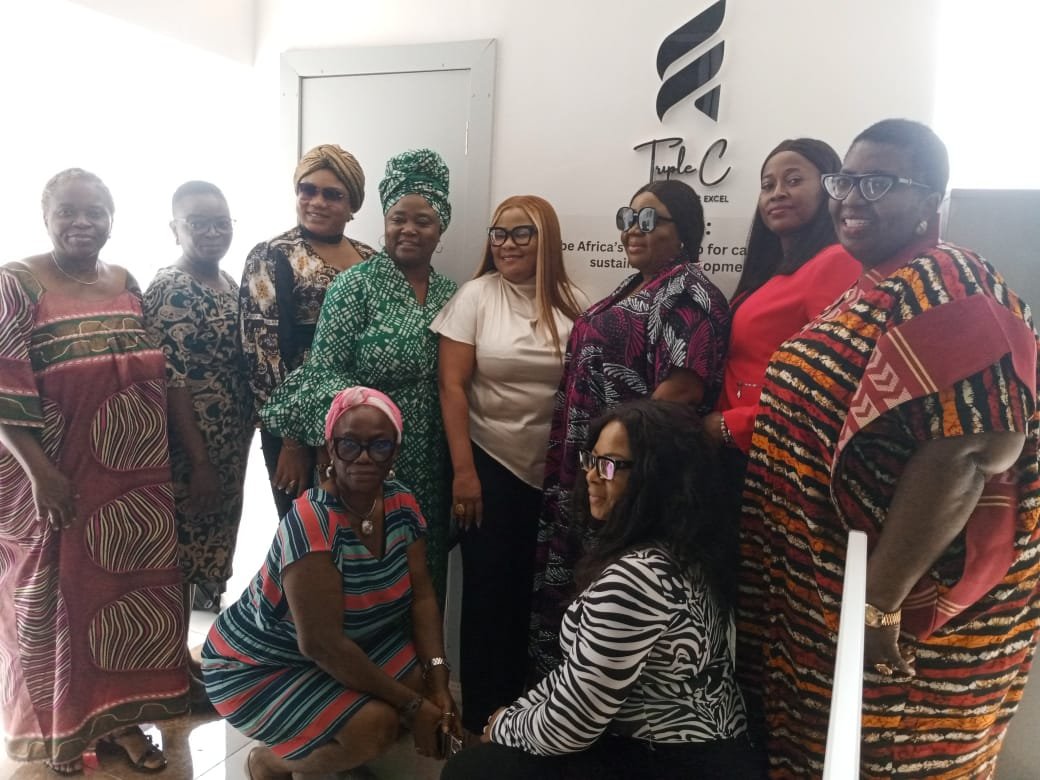
Abuja, Nigeria. In a warm and affirming meeting, the League of Women Voters of Nigeria (NILOWV) paid a courtesy visit this week to Triple C and its Chief Executive Officer, Mrs. Lydia Odeh. The visit, led by Comrade Sandra Ogbonna, Chairperson of NILOWV, recognised the exceptional contributions of Mrs. Odeh toward NILOWV’s recent successes and the broader cause of women’s inclusion in governance and politics.
Comrade Sandra Ogbonna opened with heartfelt admiration for Mrs. Odeh’s role in supporting NILOWV’s Annual General Meetings of 2024 and 2025. She emphasized that Mrs. Odeh’s backing was not only logistical but inspirational helping to galvanize women voters and leaders across states. “Your support has been outstanding, not simply in facilitating our events, but in giving women hope and a platform,” Sandra Ogbonna said. She stated that NILOWV’s mission to ensure women are not sidelined in governance depends partly on allies like Mrs. Odeh, whose contributions bolster morale and capability.
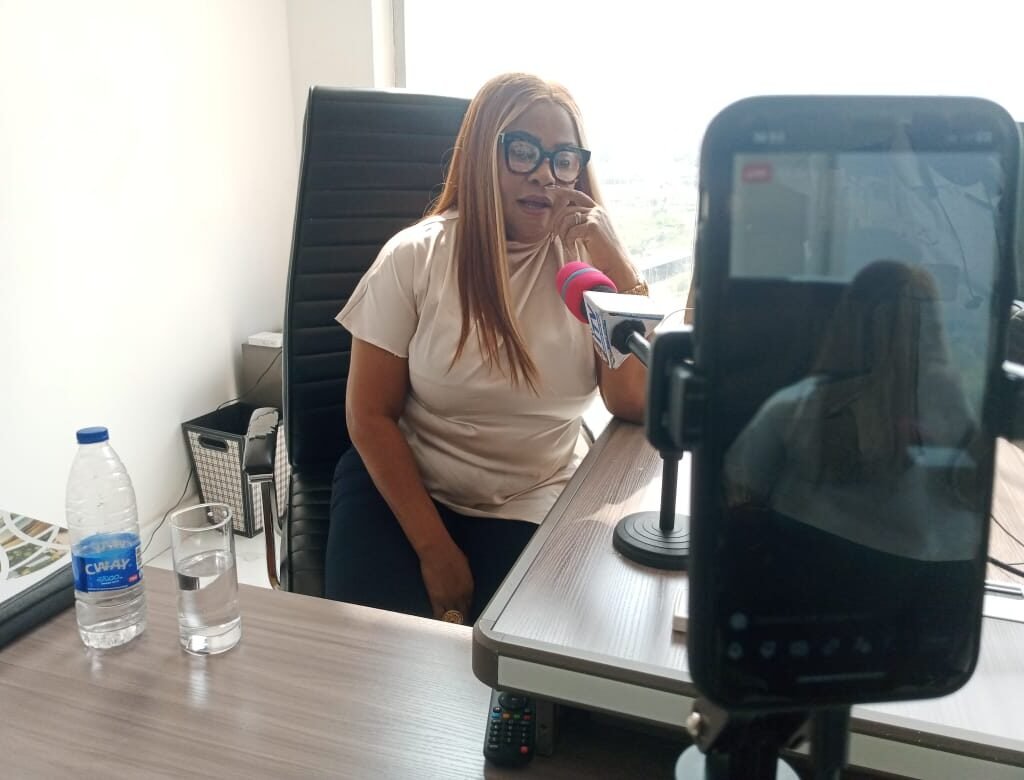
Ogbonna noted that as Nigeria approaches the 2026 pre‐election season, it is imperative that organizations such as Triple C partner with NILOWV to push for formal commitments from political parties and candidates on women’s representation. She encouraged such engagements to translate into signed agreements and policy actions that persist beyond elections.
Response from Mrs. Lydia Odeh of Triple C
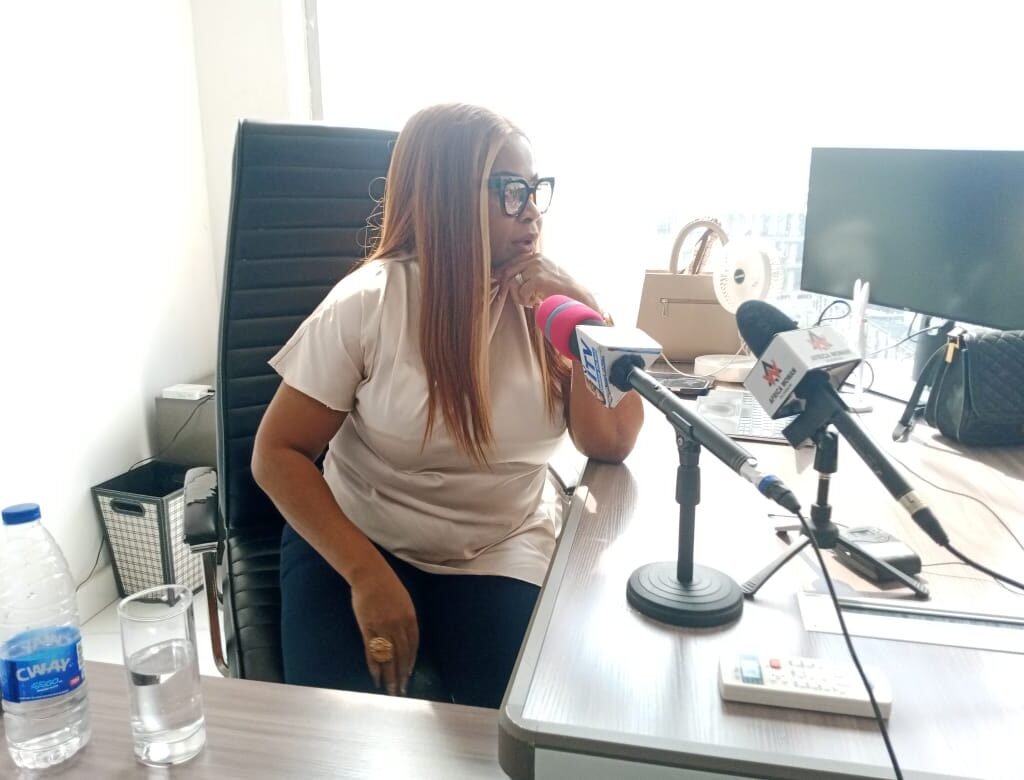
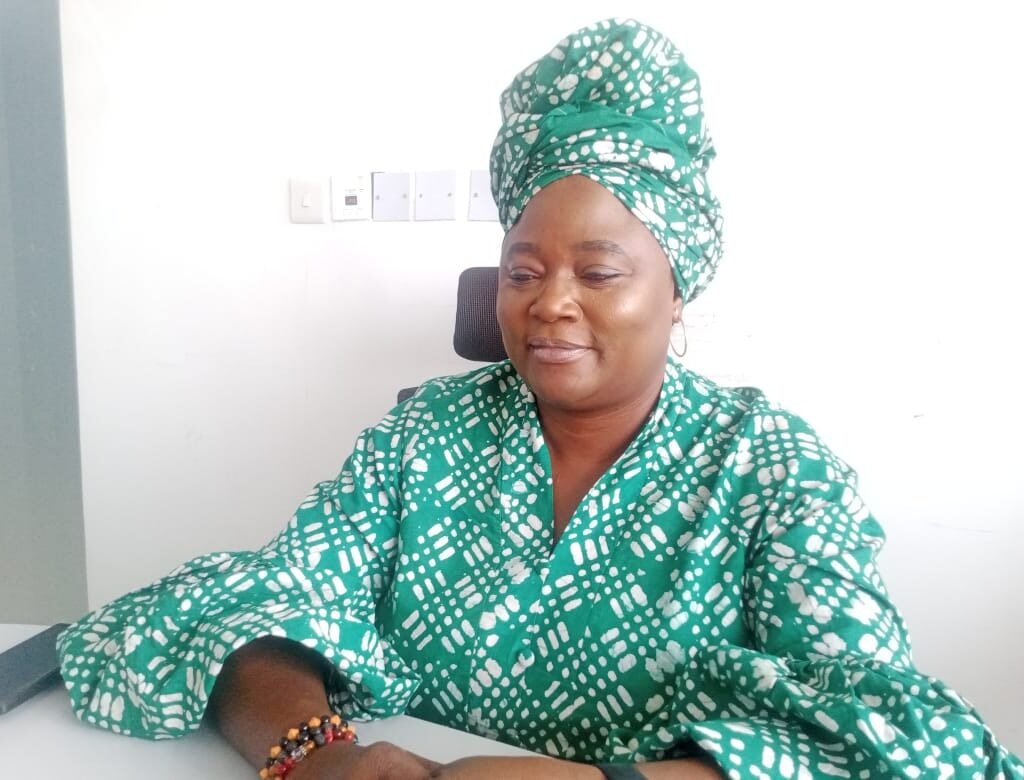
Mrs. Lydia Odeh received the NILOWV delegation in Triple C’s relatively new office, established just under a year ago. She expressed deep appreciation for the visit: “It is always encouraging when champions of women’s political rights pay a visit not just as formal courtesy, but as partners in progress,” she said.
Odeh then elaborated on the identity, work, and values of Triple C. As a firm specializing in capacity, gender and diversity solutions, Triple C focuses on strategy development, training, consulting, and impact assessment. Her organization aims to unlock, capacity, capital and catalyse change by promoting intersectional gender equality ensuring that women from diverse backgrounds have real access to power and resources.
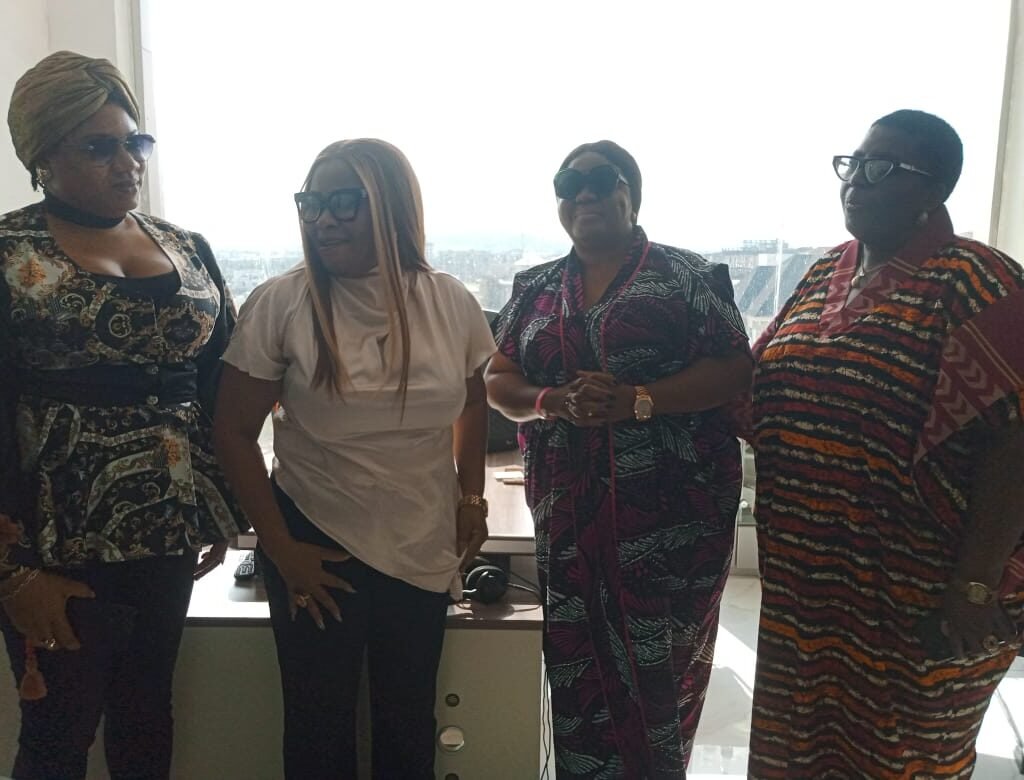
She urged NILOWV and similar organisations to intensify their advocacy. With the 2027 election year approaching, Mrs. Odeh advised that NILOWV to leverage on politicians’ manifestos in 2026 pre-election campaigns to get them committed to women’s inclusion and insist that political actors sign dotted agreements committing to women’s inclusion during and after elections. According to her, such signed commitments can serve as tools for accountability.
Additional Remarks by Mr. Umoru Eric of Triple C
The Governance and Social Protection Advisor of Triple C, Mr. Umoru Eric, also spoke during the meeting, adding another dimension to the conversation. He emphasized the potential role of technology, especially artificial intelligence, in increasing women’s involvement in politics. Exploring how data, AI tools, and digital platforms can help train, connect, and empower women, he noted they can also be used to monitor commitments and track implementation of gender equality policies.
Mr. Eric also sounded a warning: women must be careful to safeguard their Permanent Voter Cards (PVCs), because of the risk of cloning or misuse. He said NILOWV and Triple C could work jointly on sensitization campaigns to ensure that voter registration and PVC security are improved, so that women are not disenfranchised or misrepresented.
He also proposed that NILOWV explore formal partnerships with Triple C for capacity building, technical support, and to seek funding, donations, and other resources to scale their work domestically.
Context & Purpose of the Visit
Purpose: The visit served several functions a gesture of solidarity, recognition of past support, setting the stage for future collaboration. It was timed as part of NILOWV’s preparations towards the 2026 election season, when many expect debates and commitments around women’s representation to intensify.
Goal: To foster deeper partnership between civil society actors committed to gender equity, to ensure that women’s voices are not merely included but institutionalised in political decision-making.
Outcomes Desired: Signed pledges from political parties/candidates, stronger awareness among women voters about their rights (PVC issues, candidate choices), capacity building, resource mobilisation, and leveraging technology to make inclusion more transparent and effective.