
By Gabriel Ameh
The Independent National Electoral Commission (INEC) has begun strategic preparations for Nigeria’s 2027 General Elections, with a strong focus on procurement reforms aimed at enhancing transparency, efficiency, and public trust in the electoral process.
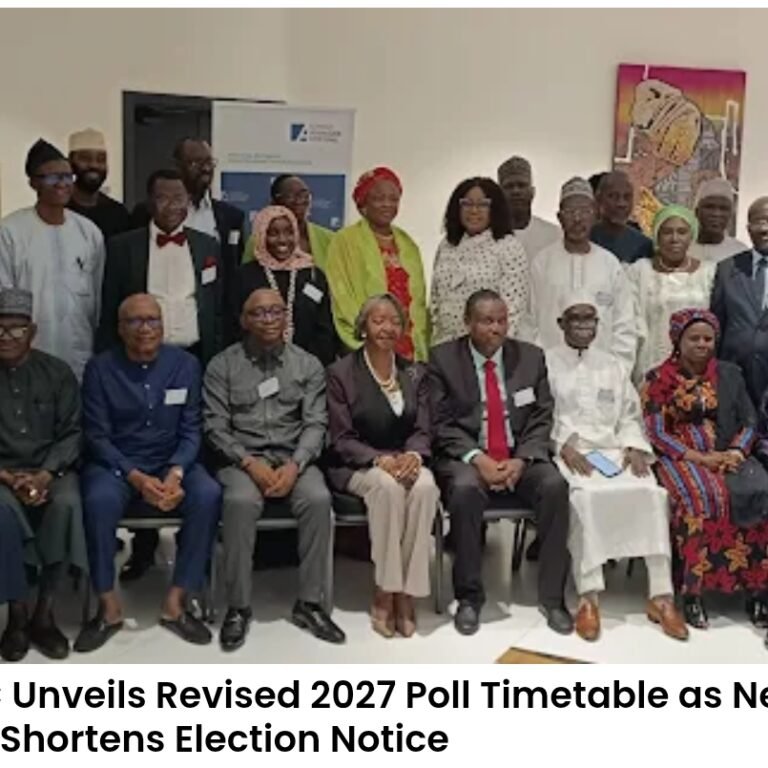
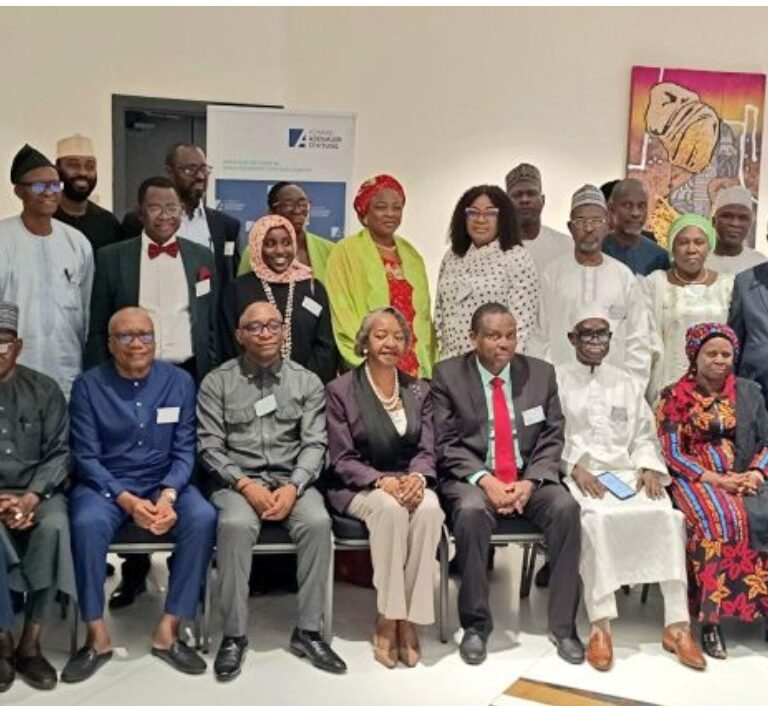
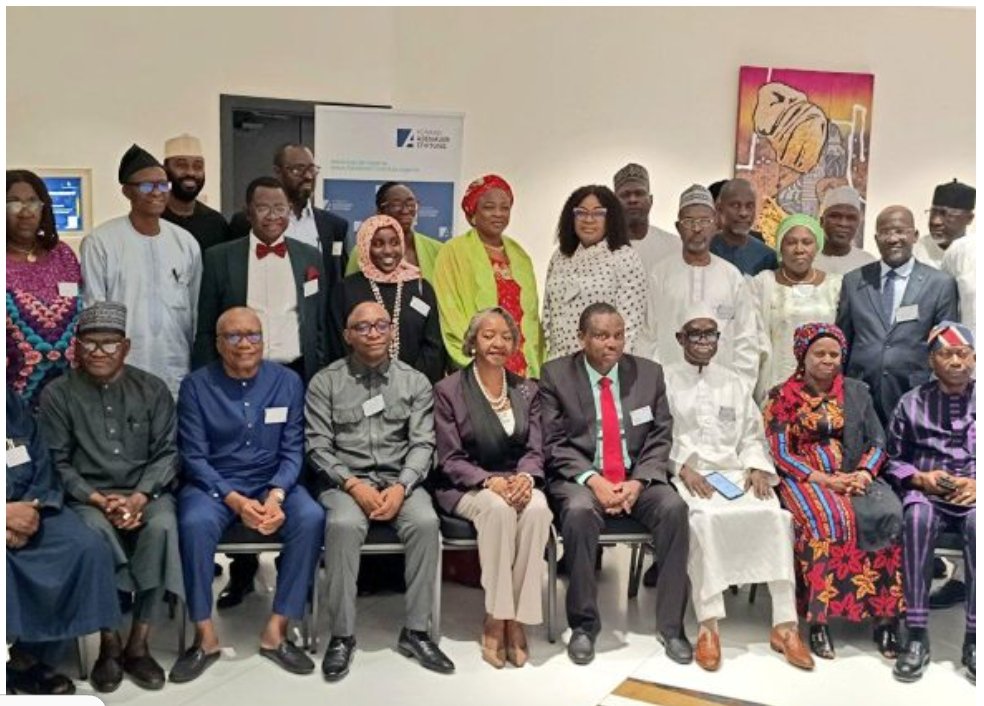
This was highlighted on Monday, March 30, 2026, during a three-day Capacity Building Workshop on Procurement for National Electoral Commissioners and senior management staff. The workshop, held at the Lagos Continental Hotel, Victoria Island, was organised in collaboration with the Konrad-Adenauer-Stiftung (KAS).
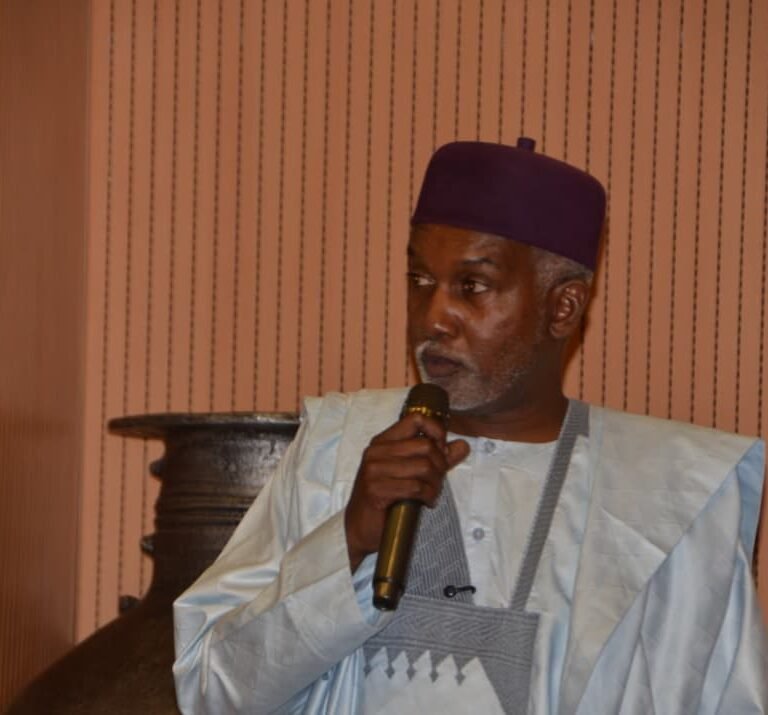
Speaking through National Commissioner, Mrs. May Agbamuche-Mbu, INEC Chairman, Prof. Joash Amupitan, SAN, stressed that transparent procurement is critical to ensuring credible elections in Nigeria.
He explained that procurement goes beyond routine administration, noting that it forms the backbone of electoral operations, including the provision of ballot materials, technology deployment, logistics, and personnel management.
According to him, the Commission’s 159 days in office have been focused on consolidating reforms and strengthening institutional capacity, adding that capacity building must remain continuous and embedded in INEC’s operations.
As part of the workshop, INEC unveiled its timetable for the 2027 General Elections. The Presidential and National Assembly elections are scheduled for Saturday, January 16, 2027, while Governorship and State Assembly elections will hold on Saturday, February 6, 2027.
Prof. Amupitan explained that the early release of the timetable is intended to provide clarity for political parties, security agencies, and voters, while allowing adequate time for procurement processes, technology deployment, and staff training.
“Transparency begins with certainty,” he stated, reaffirming the Commission’s commitment to professionalism and credible elections.
The Director-General of the Bureau of Public Procurement (BPP), Dr. Adebowale A. Adeline, described procurement as a strategic national function essential to democratic stability.
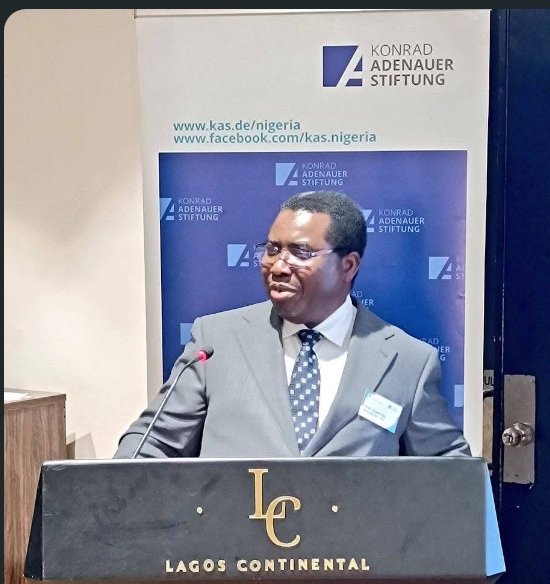
He urged INEC to adopt technology-driven procurement systems, diversify suppliers, and enforce strict regulatory compliance to mitigate risks associated with technology and global supply chains.
Also speaking, the Resident Representative of KAS in Nigeria, Mr. Tobias Ruettershof, commended INEC’s proactive approach, noting that credible elections depend on transparent systems and strong institutions.
The workshop brought together electoral commissioners, senior officials, development partners, and experts, all focused on strengthening INEC’s readiness for the 2027 elections and reinforcing public confidence in Nigeria’s democratic process.