
By Gabriel Ameh
Abuja | Media360Impact Report
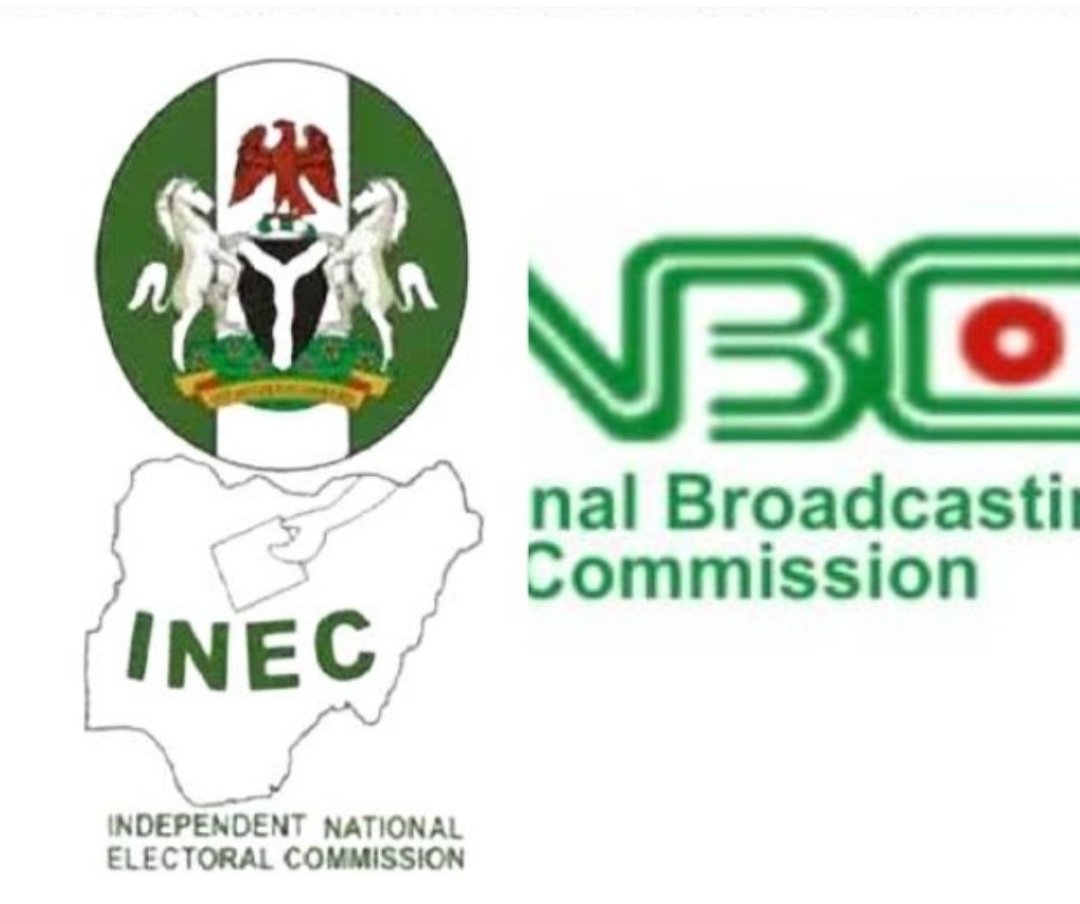
The Chairman of the Independent National Electoral Commission (INEC) has raised fresh concerns over regulatory overlap with the National Broadcasting Commission (NBC), warning that the situation could undermine effective oversight of election-related broadcasting in Nigeria.
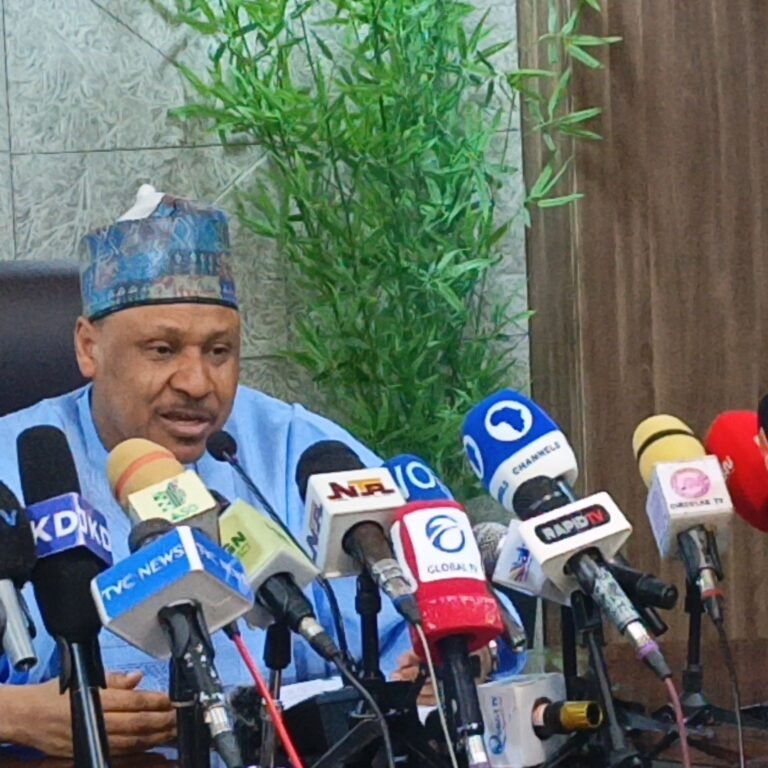
Speaking at the 81st General Assembly of the Broadcasting Organisations of Nigeria in Abuja, the INEC boss described the current electoral broadcasting framework as a “shared regulatory space” plagued by ambiguity and weak enforcement.
He explained that while the NBC holds statutory responsibility for licensing and content regulation, INEC is empowered under the Electoral Act 2026 to monitor political campaigns and issue guidelines governing media use during elections.
According to him, this dual responsibility has created institutional fragmentation, complicating accountability.
“The dual involvement of INEC and NBC in overseeing electoral media conduct often leads to uncertainty regarding jurisdiction and enforcement,” he said, describing the situation as a persistent structural challenge in managing Nigeria’s airwaves during elections.
He stressed that although both institutions are expected to collaborate, the absence of a harmonised enforcement framework weakens compliance and allows violations such as biased reporting and unequal airtime allocation to persist.
The INEC chairman further noted that the challenge becomes more pronounced during peak campaign periods, when monitoring demands increase across Nigeria’s vast media landscape, often resulting in delayed or inconsistent regulatory responses.
He also raised concerns about the independence of the NBC, pointing out that its position within the executive arm of government has triggered questions about its ability to impartially regulate state-owned broadcasters during politically sensitive periods.
According to him, this raises the risk of regulatory capture, where enforcement decisions may be influenced by political interests rather than objective standards, ultimately eroding public trust in the electoral process.
The chairman also highlighted a gap between legal provisions and enforcement, noting that despite rules guaranteeing equal access to media platforms, well-funded political actors continue to dominate the airwaves through paid advertisements and sponsored content.
He warned that this trend undermines the principle of a level playing field and entrenches inequality in political communication.
To address the challenges, the INEC chairman called for comprehensive legal reforms to harmonise the roles of both regulatory bodies, eliminate duplication, and clarify enforcement responsibilities.
He also advocated stronger collaboration among regulators, broadcasters, civil society organisations, and other stakeholders, describing co-regulation as a practical pathway to improving transparency and compliance.
Additionally, he called for reforms to strengthen institutional independence through improved appointment processes, sustainable funding structures, and operational safeguards to shield regulatory bodies from political interference.
He maintained that without resolving the structural contradictions between INEC and NBC, efforts to ensure fairness, balance, and accountability in electoral broadcasting would remain significantly constrained.
The chairman concluded that effective management of Nigeria’s airwaves is not only a legal necessity but a systemic priority essential to safeguarding the integrity of the country’s democracy.