
0-0x0-0-0-{}-0-0#
By Gabriel Ameh
📍Abuja | Media360Impact Report
The Chairman of the Independent National Electoral Commission (INEC), Prof. Joash Amupitan, has unveiled a revised set of regulations and guidelines for political parties ahead of the 2027 general elections, emphasizing transparency, accountability, and inclusivity in Nigeria’s electoral process.
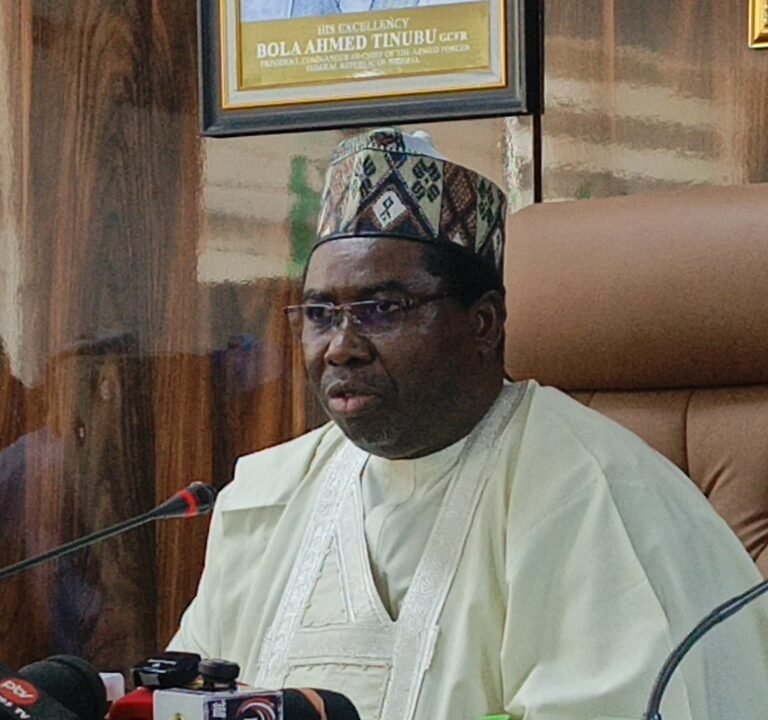
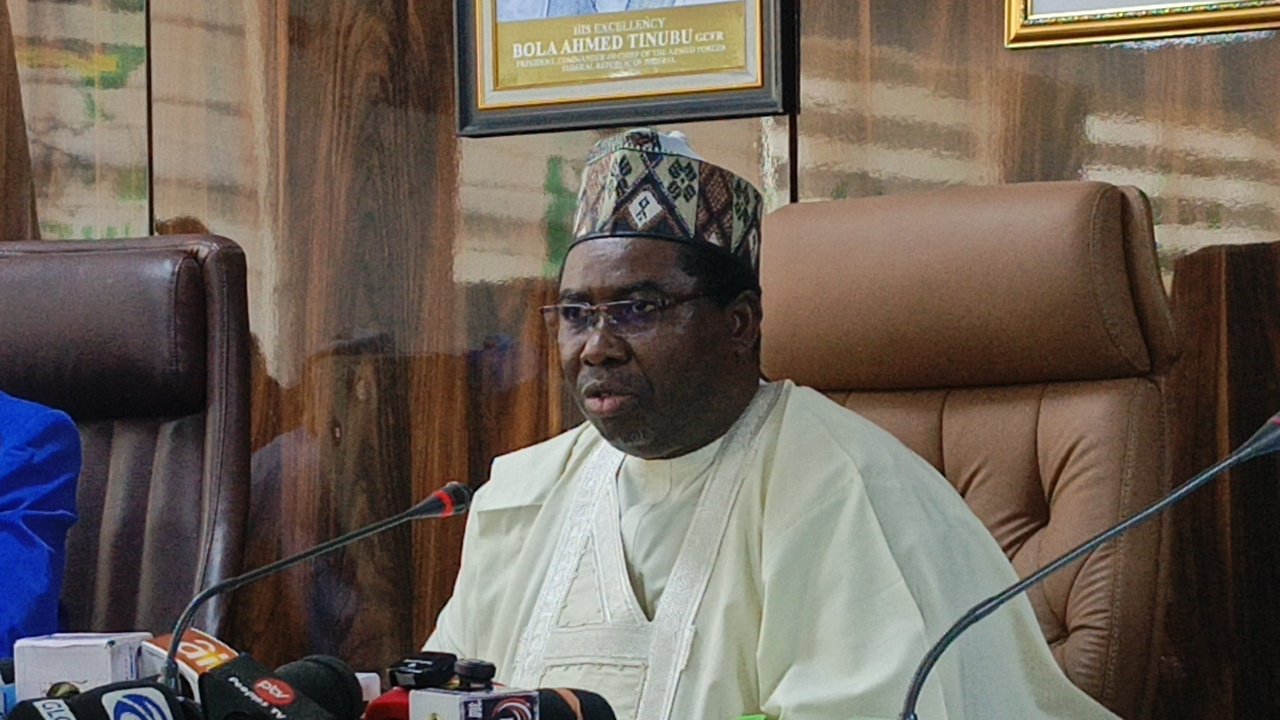
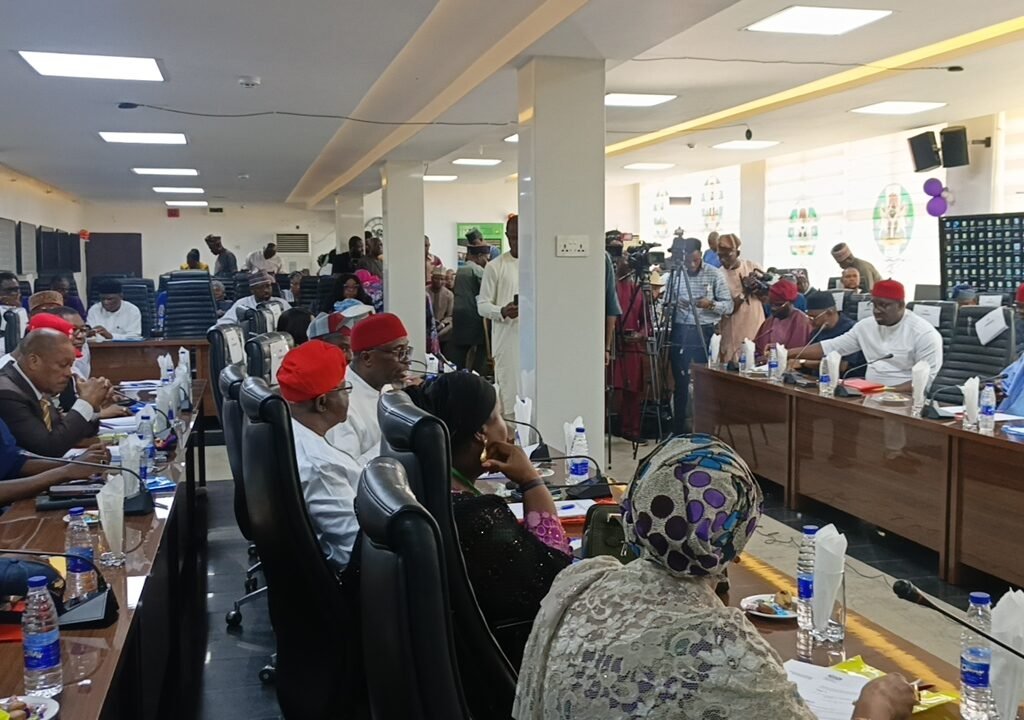
Speaking at a consultative meeting with political party leaders in Abuja, Amupitan said the new 2026 guidelines were developed following a comprehensive review of the 2022 framework to align with provisions of the Electoral Act 2026. He stressed that credible elections begin long before election day, particularly through transparent party primaries and internal processes.

According to him, the updated regulations cover key areas including party registration and mergers, internal operations, conduct of primaries, campaign activities, party financing, and conditions for deregistration. He added that the Commission has also introduced measurable benchmarks to boost the participation of women, youth, and persons with disabilities in the political space.
Amupitan noted that with the Presidential and National Assembly elections scheduled for January 16, 2027, and governorship elections on February 6, 2027, stakeholders must operate with what he described as “surgical precision” due to compressed timelines in the new electoral law.
However, the National Chairman of the Inter-Party Advisory Council (IPAC), Dr. Yusuf Mamman Dantalle, raised strong concerns over the Electoral Act 2026, describing it as a setback to Nigeria’s democratic progress.
Dantalle argued that several provisions in the law could undermine the credibility of the 2027 elections, calling on the National Assembly to urgently revisit and amend the Act. He specifically faulted the mandatory direct primaries, insisting that political parties should retain the autonomy to choose their candidate selection methods.
He also criticized the requirement for parties to submit membership registers with National Identification Numbers (NIN) within a short timeframe, describing it as impractical and potentially disenfranchising millions of Nigerians.
On electoral transparency, the IPAC chairman demanded the mandatory electronic transmission of results directly from polling units, warning against a repeat of controversies witnessed in previous elections.
He further called for stronger penalties against vote buying and renewed advocacy for the establishment of an Electoral Offences Commission.
Despite the disagreements, both INEC and IPAC reaffirmed their commitment to strengthening Nigeria’s democracy through continued dialogue and collaboration.