
By Gabriel Ameh
As the world prepares to commemorate International Human Rights Day tomorrow, leading civil society organisations including the Our Water Our Right Africa Coalition (OWORAC), Public Services International (PSI), and Corporate Accountability have condemned what they describe as an alarming escalation of repression within Senegal’s water sector.
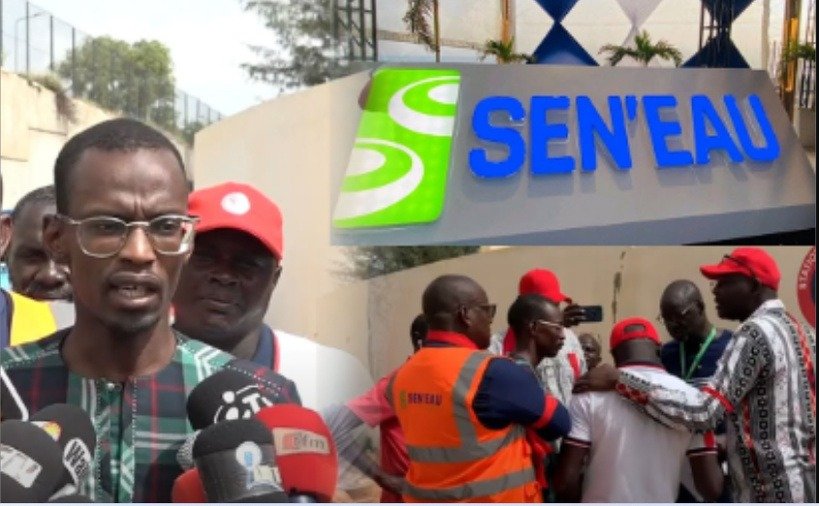
In a strongly worded joint statement issued on Tuesday, the groups accused Senegal’s national water utility, SEN’EAU, of orchestrating a “sustained campaign of intimidation” against Comrade Oumar BA, the General Secretary of the Autonomous Union of Water Workers of Senegal (SATES).
The statement, endorsed by 13 organisations across Africa and beyond, includes signatures from the Water Citizens Network / Revenue Mobilisation Africa (Ghana), Corporate Accountability and Public Participation Africa (Nigeria), Biodiversity and Biosafety Association Kenya (BIBA Kenya), Disability Not a Barrier Initiative (Nigeria), Cheriehomes Global Initiatives (Nigeria), Africa Water Justice Network, Voices for Water (Zimbabwe), Senegalese Water Justice Network (Senegal), SYNATEEC (Cameroon), African Centre for Advocacy (Cameroon), and the Confederation of Autonomous Trade Unions of Senegal (CSA-Sen).
According to the coalition, the punitive actions against BA constitute clear violations of trade union rights and global human rights standards.
The conflict stems from SATES’ opposition to SEN’EAU’s attempt to negotiate a multi-year agreement with select unions while excluding SATES. The union is also challenging the digital voting process used to elect worker representatives, describing it as illegal, opaque, and inconsistent with Senegal’s labour laws.
For refusing to accept the process, BA has reportedly been subjected to retaliatory measures by SEN’EAU management.
The coalition further noted that SEN’EAU’s operations are significantly shaped by Suez, the French multinational holding a major stake in the company. They argue that this influence has deepened the imbalance of power between management and workers.
Highlighting the global theme of Human Rights Day 2025 “Human Rights: Our Everyday Essentials” the groups stressed the irony of water workers being punished on the eve of a day dedicated to fundamental rights.
“Few essentials are more critical than water, and few rights collapse more quickly when control over water is handed to private actors with limited accountability,” the statement said. “A day dedicated to everyday essentials loses meaning when workers are sanctioned for exercising the very rights the day is designed to protect.”
Tensions intensified on November 28 when Comrade BA embarked on a hunger strike in protest of what the coalition describes as years of targeted harassment. His declining health, they warn, reflects growing frustration among water workers and deepening mistrust in SEN’EAU’s leadership.
Beyond labour concerns, the organisations say the crisis mirrors broader failures in Senegal’s water services, including rising costs, deteriorating service quality, and falling public confidence under SEN’EAU’s privatised model.
Despite the challenges, the coalition insists that Senegal has a unique opportunity to reset its water governance as major rural water contracts approach expiration in 2027 and 2028. They urged the government to “restore accountability by returning water control to the communities and workers who depend on it.”
The joint statement called for immediate action, including:
Ending all disciplinary actions against Comrade Oumar BA
Withdrawing threats and intimidation targeting water workers
Canceling the disputed digital election process
Ensuring full compliance with Senegal’s labour laws
Opening transparent negotiations with all legitimately elected representatives, including SATES
Providing urgent medical care and protection for BA
The coalition warned that International Human Rights Day would ring hollow if those defending public accountability continue to face repression for standing up for workers’ rights.