
By [Ameh Gabriel] Media360impact Editorials
The Federal Government has launched an ambitious nationwide campaign aimed at transforming Nigeria’s housing sector through structural reforms and innovative financing models, reaffirming its commitment to making decent and affordable housing a reality for all Nigerians.
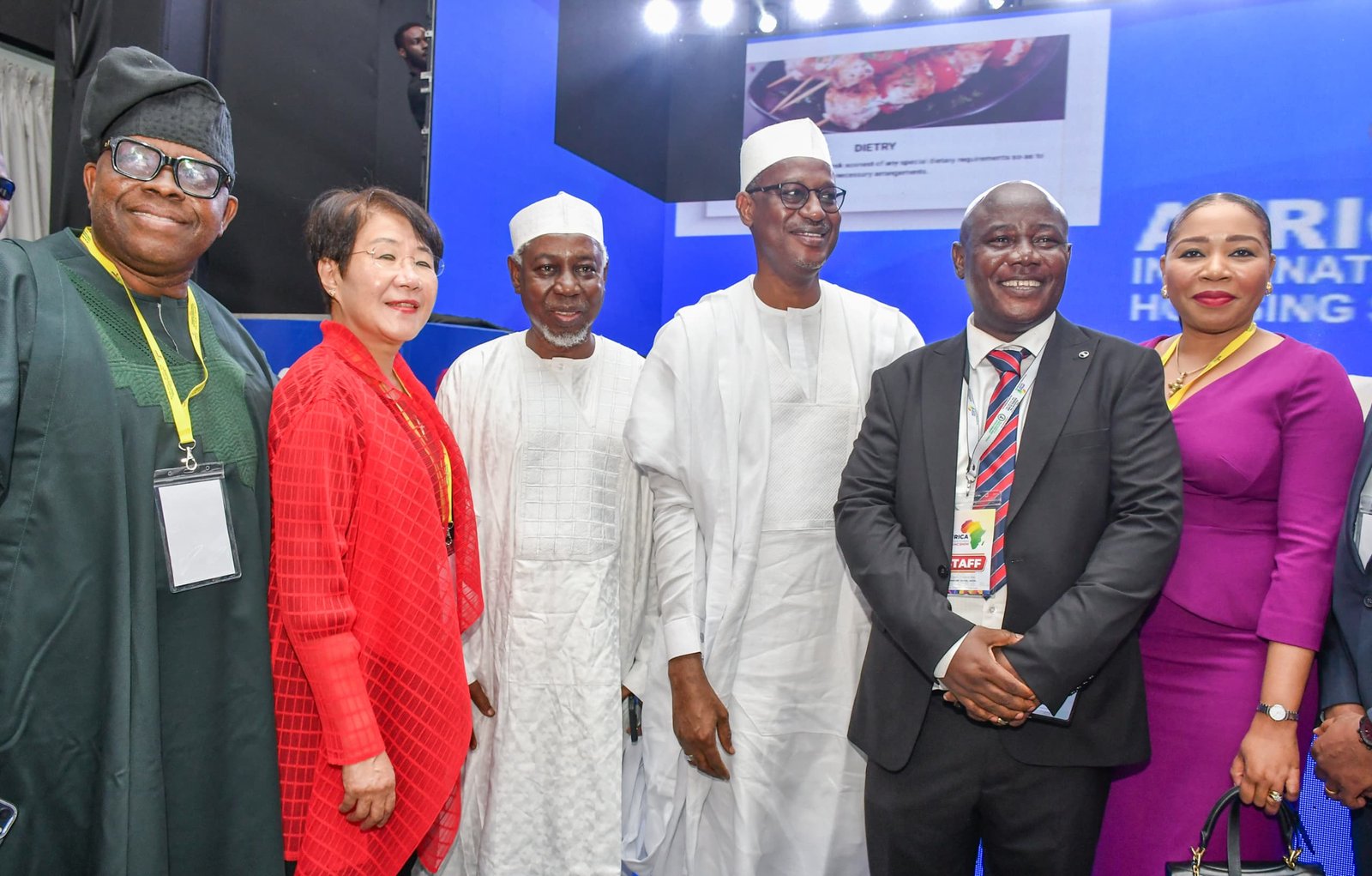
Minister of Housing and Urban Development, Architect Ahmed Musa Dangiwa, made the announcement at the opening ceremony of the 19th Africa International Housing Show (AIHS) in Abuja, where he outlined the Tinubu administration’s multi-pronged strategy to address the country’s housing crisis.
Dangiwa emphasized that tackling the underlying macroeconomic challenges such as currency instability, inflation, and low income levels was crucial to creating a sustainable housing ecosystem in Nigeria.
Key Initiatives and Highlights
State-by-State Homeownership Campaign
The Federal Government has rolled out a new State-by-State Homeownership and Housing Development Campaign, designed to close the gap between federal housing policy and its implementation at the grassroots.
Housing Reform Champions will be appointed as advisers to state governors.
State-level roundtables will be convened to align strategies.
Technical and financial support will be deployed to accelerate housing access for all income brackets.
Renewed Hope Housing Programme
This flagship programme is being implemented across three tiers:
Renewed Hope Cities: Integrated mega-city projects in major urban centers.
Renewed Hope Estates: Medium-density housing developments in 30 states.
Renewed Hope Social Housing: Affordable housing schemes in every Local Government Area (LGA), targeting low-income Nigerians with subsidies and support.
Innovative Financing Models
To ease access to housing finance, the government has established the MOFI Real Estate Investment Fund (MREIF), offering long-term mortgage funding at a 12% interest rate.
Additionally, through the Federal Mortgage Bank of Nigeria (FMBN), the following products have been introduced:
Rent-to-Own Scheme: Enables occupants to gradually acquire ownership through monthly payments.
Rental Assistance Scheme: Provides support for upfront rent payments with flexible repayment plans, particularly benefiting urban dwellers and young families.
Urban Renewal and Slum Upgrades
Over 150 urban renewal projects are underway, incorporating road networks, clean water supply, and solar energy infrastructure to uplift marginalized communities in line with UN-Habitat standards and the Addis Declaration.
Boosting Local Production of Building Materials
To cut construction costs and reduce dependency on imports, the government is setting up building materials manufacturing hubs in all six geopolitical zones. This initiative is backed by fiscal incentives and private sector partnerships to ensure affordability and availability.
Driving Implementation and Partnerships
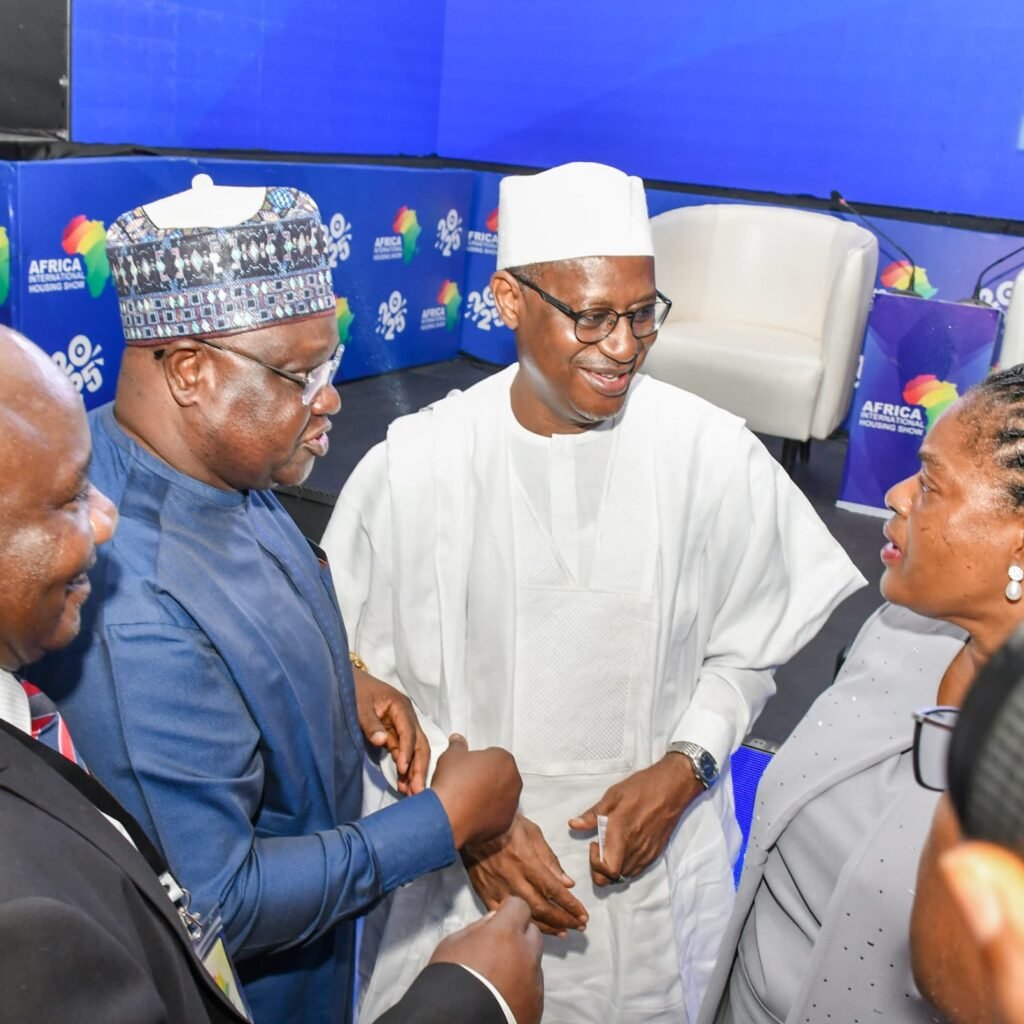
The Ministry is also working closely with state governments, international development partners, and private sector players to ensure that housing policies translate into real, accessible homes for Nigerians.
A newly formed National Housing Policy Committee, composed of experts, will monitor progress and evaluate impact to ensure transparency and measurable results.
Stakeholders Urge Bold Action
At the event, former Minister of Information, Professor Jerry Gana, and other housing sector stakeholders reiterated the urgency of overhauling Nigeria’s housing landscape. They called for:
Expansion of local manufacturing to reduce housing costs by 50–70%.
Greater decentralization of infrastructure development.
Increased funding and sustained collaboration with the private sector to close Nigeria’s estimated 22 million housing deficit.
With the launch of this campaign and the Renewed Hope Housing Programme, the Tinubu administration appears poised to tackle one of Nigeria’s most pressing development challenges with renewed political will, actionable policies, and broad-based partnerships.