By Gabriel Ameh
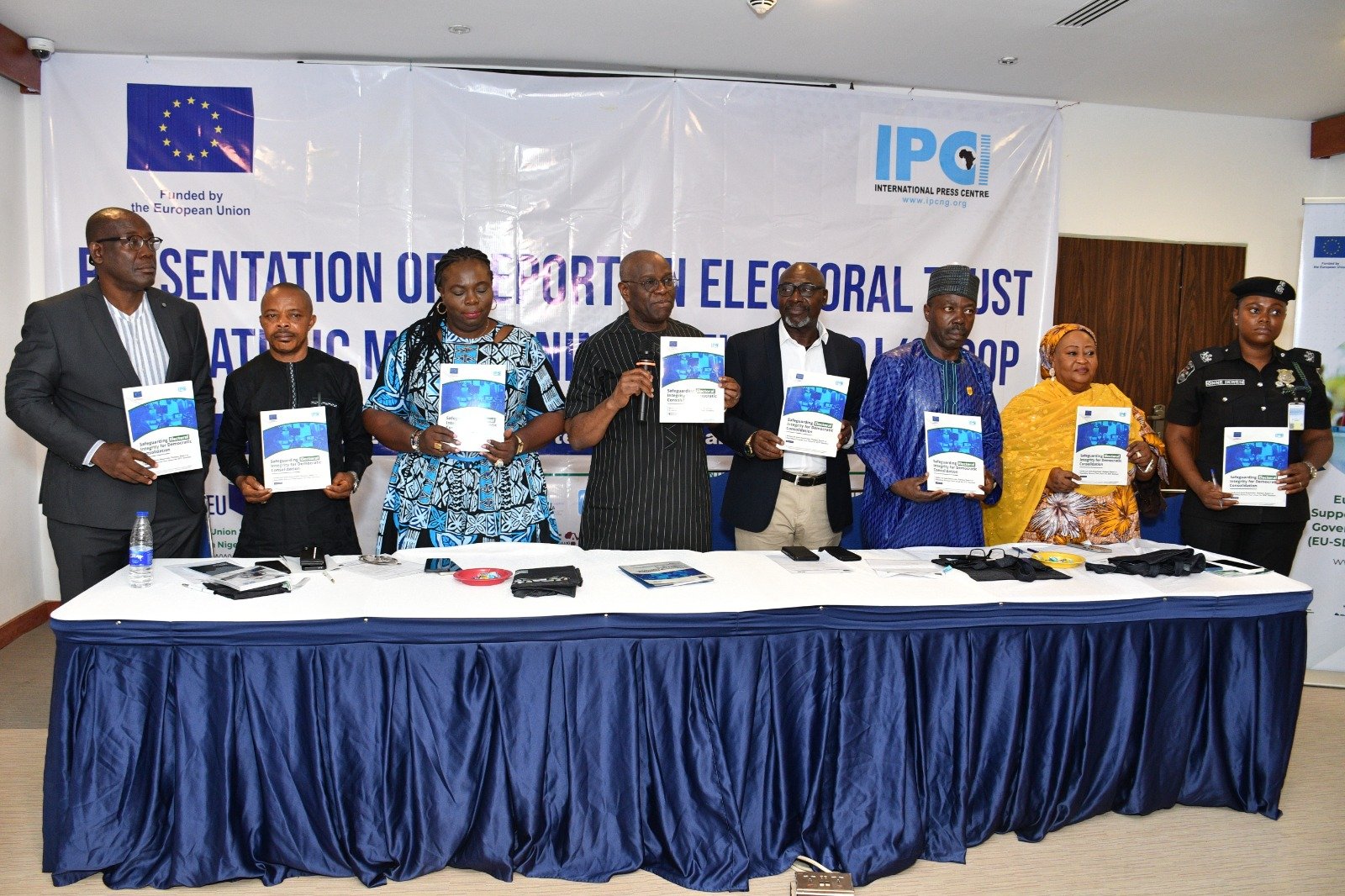
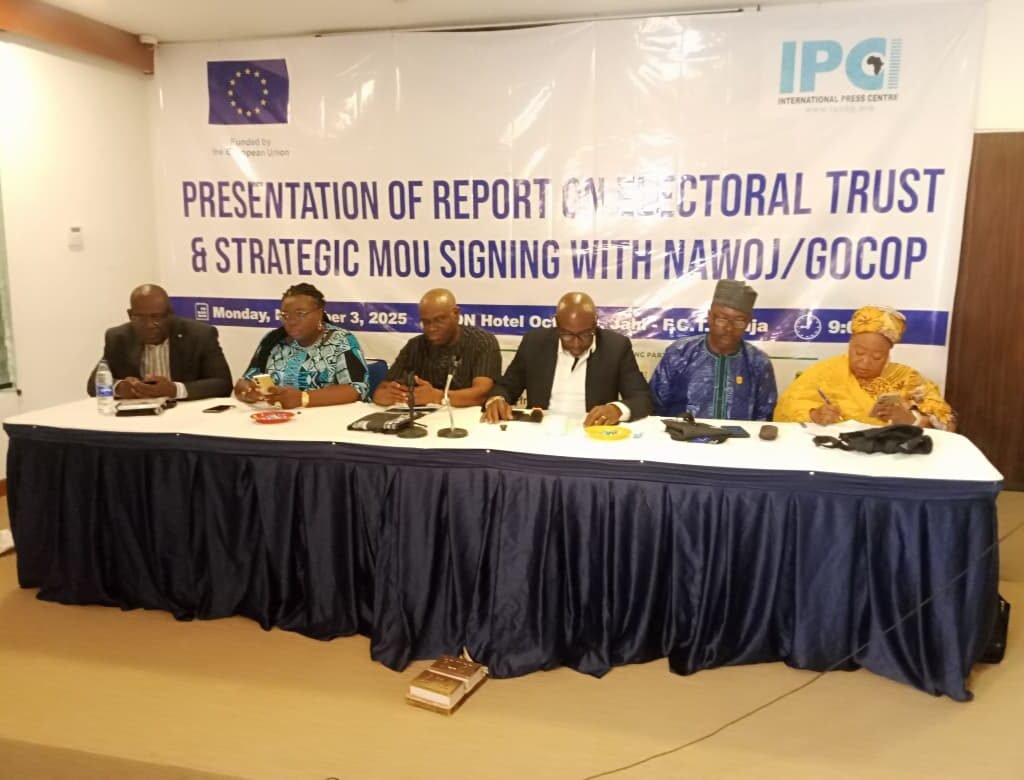
Abuja, November 3, 2025 — The European Union (EU), through its Support to Democratic Governance in Nigeria (EU-SDGN II) project, in partnership with the International Press Centre (IPC), the Nigeria Association of Women Journalists (NAWOJ), and the Guild of Corporate Online Publishers (GOCOP), has launched a new report on electoral trust and signed a strategic Memorandum of Understanding (MoU) to strengthen credible and inclusive election reporting in Nigeria.
The event, held at, Abuja, brought together stakeholders from government, media, civil society, and development partners to deliberate on restoring citizens’ confidence in Nigeria’s democratic institutions and electoral process.
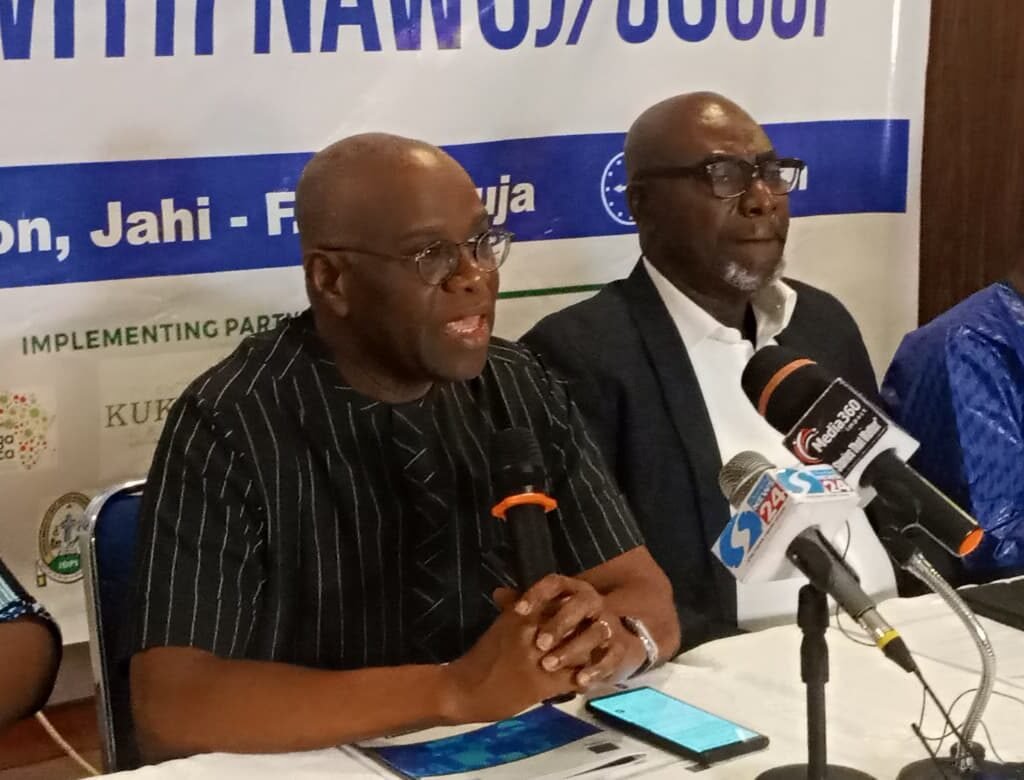
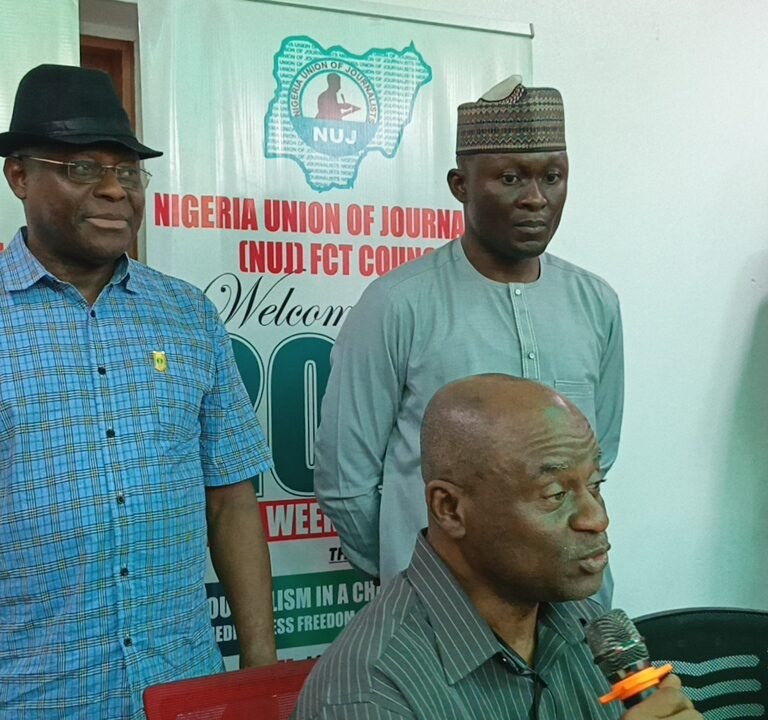
Delivering the keynote address, Professor Okey Ibeanu, who chaired the occasion, described trust as “the most important currency of democracy,” stressing that once trust in electoral institutions is eroded, participation, accountability, and good governance suffer.
“Elections are built on trust, trust that the rules will be upheld, that institutions will act responsibly, and that where the system fails, there will be redress. When this confidence collapses, democracy itself is weakened,” Prof. Ibeanu stated.
He emphasized that the Independent National Electoral Commission (INEC) alone cannot guarantee credible elections, noting that the judiciary, legislature, security agencies, and media all play vital roles in safeguarding public confidence in the democratic process.
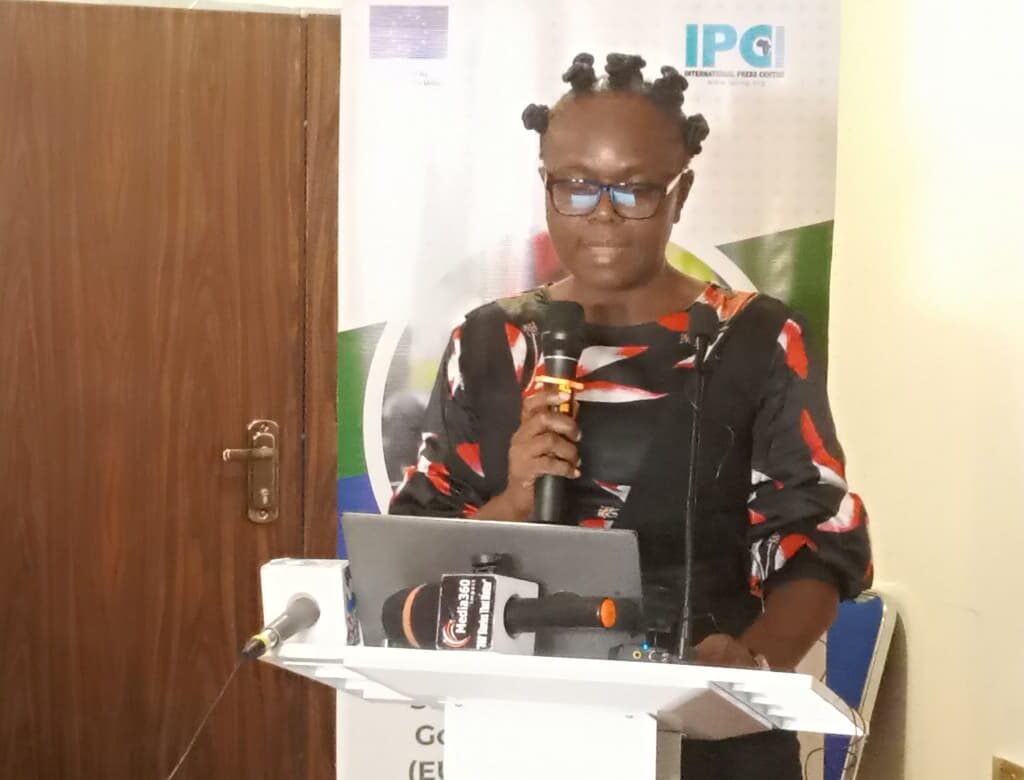
In her welcome address, Stella Nwofia, Programme Manager at IPC, said the report was a product of media-led, multi-stakeholder dialogues held across Nigeria’s six geopolitical zones between 2023 and 2025 under the EU-SDGN II project. She noted that the discussions revealed the media’s central role in influencing public trust through accurate, fair, and issue-based reporting.
“Trust is the glue that holds democracy together. Beyond INEC, all stakeholders the media, civil society, political actors, and security institutions must be held to the same standards of transparency and responsibility,” Nwofia said.
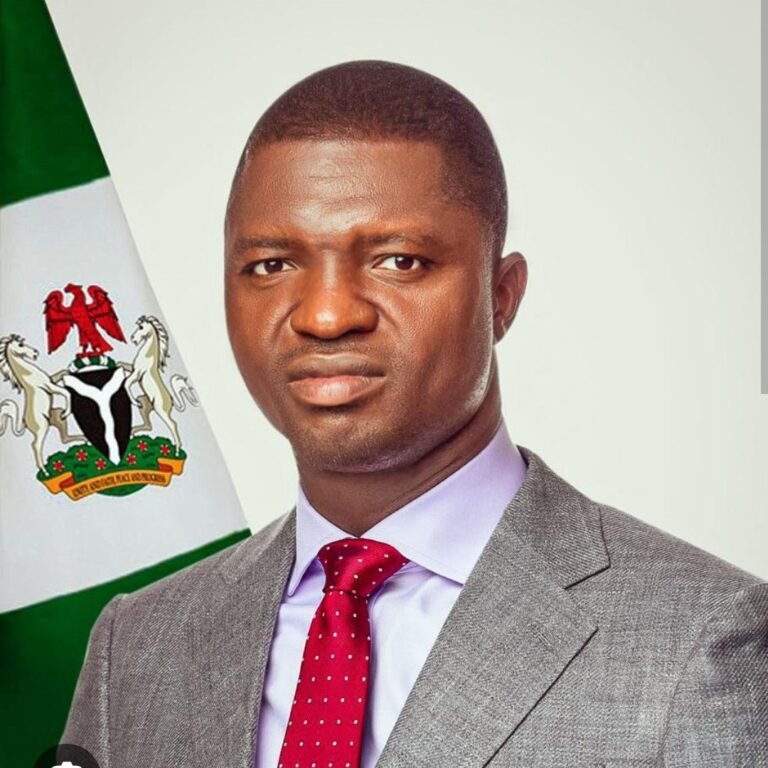
Delivering a goodwill message, the Director-General of the National Orientation Agency (NOA) who was represented by Dr. Olukemi Afolayan Director, Civic, Values and Democratic Education commended IPC and its partners for driving a national conversation on rebuilding civic trust. He reaffirmed NOA’s commitment to promoting civic education, combating fake news, and strengthening the social contract between government and citizens.
“For democracy to thrive, citizens must trust the process, the institutions, and that every vote counts,” he said. “Government alone cannot do this; the media, civil society, and citizens must work together.”
A key highlight of the event was the signing of a Strategic MoU between IPC, NAWOJ, and GOCOP to promote responsible, gender-inclusive, and accountability-driven journalism. The partnership aims to enhance professional standards and empower journalists to combat misinformation and strengthen public faith in elections.
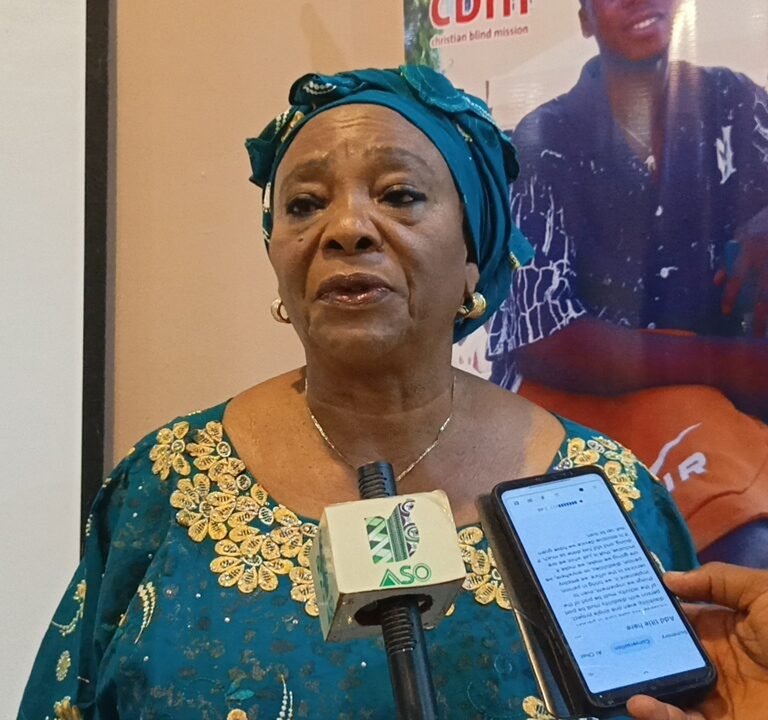
On her part, the Chairperson of NAWOJ, Aishatu Ibrahim Kwaya, emphasized that “trust in elections is not built by laws alone, but by truth, transparency, and inclusion.” It called for reforms to ensure gender balance in newsroom leadership, wider civic education, and more collaboration between media and electoral institutions.
The report presentation and partnership signing concluded with a shared resolution among participants to deepen collaboration, enhance media professionalism, and sustain citizen-focused advocacy to restore faith in Nigeria’s democracy.