
By Media360impact
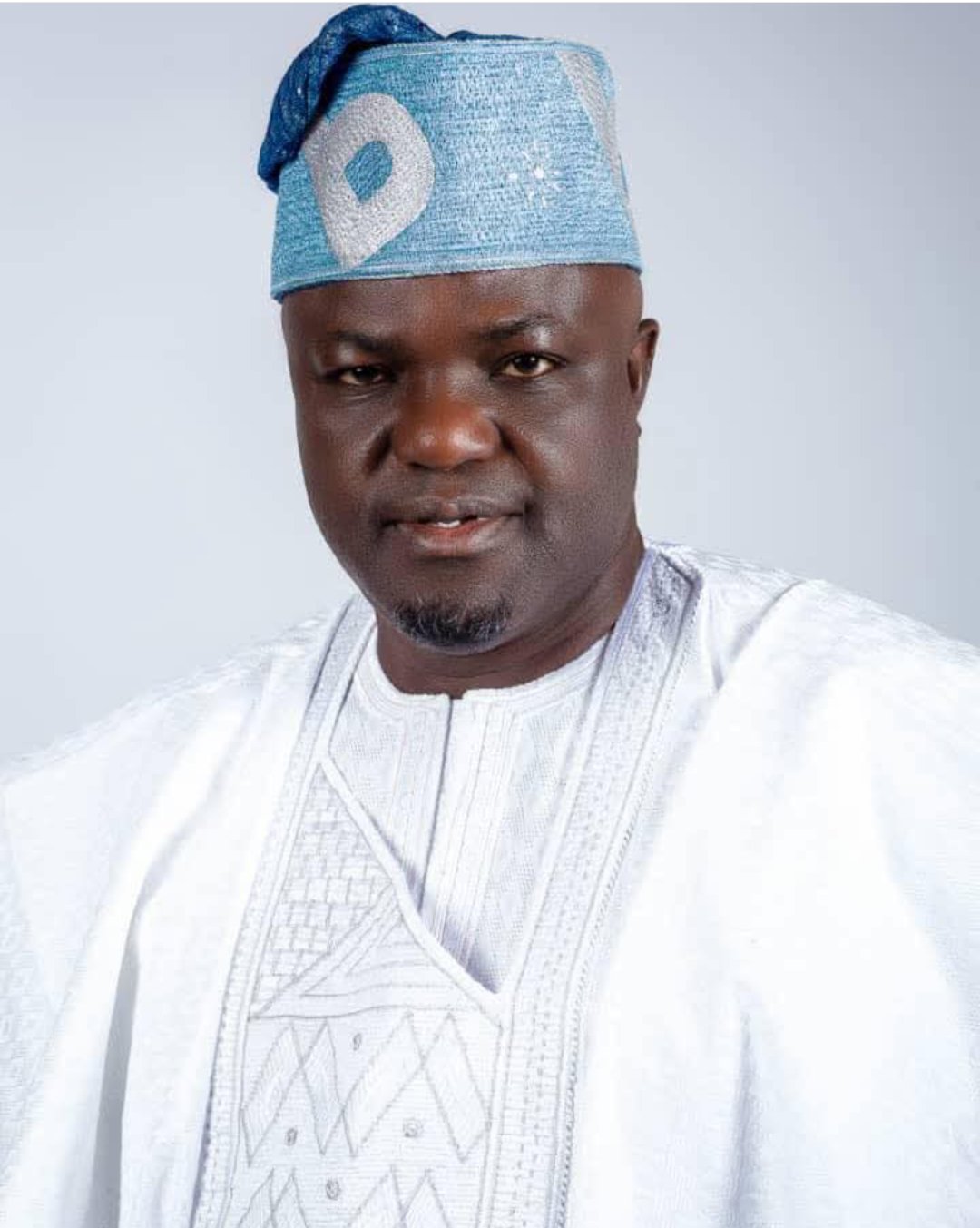
Chairman of the House Committee on Electoral Matters, Hon. Prince Bayọ Balogun, has underscored the need for Nigeria to actively manage its international image by clearly communicating electoral reforms and strengthening diplomatic advocacy.
Balogun said democratic credibility is not only built through legislation but also through effective engagement with global stakeholders.
Explaining Nigeria’s Electoral Evolution
He noted that misunderstandings about Nigeria’s electoral framework often arise when amendments and legal changes are not adequately explained to international observers and partners.
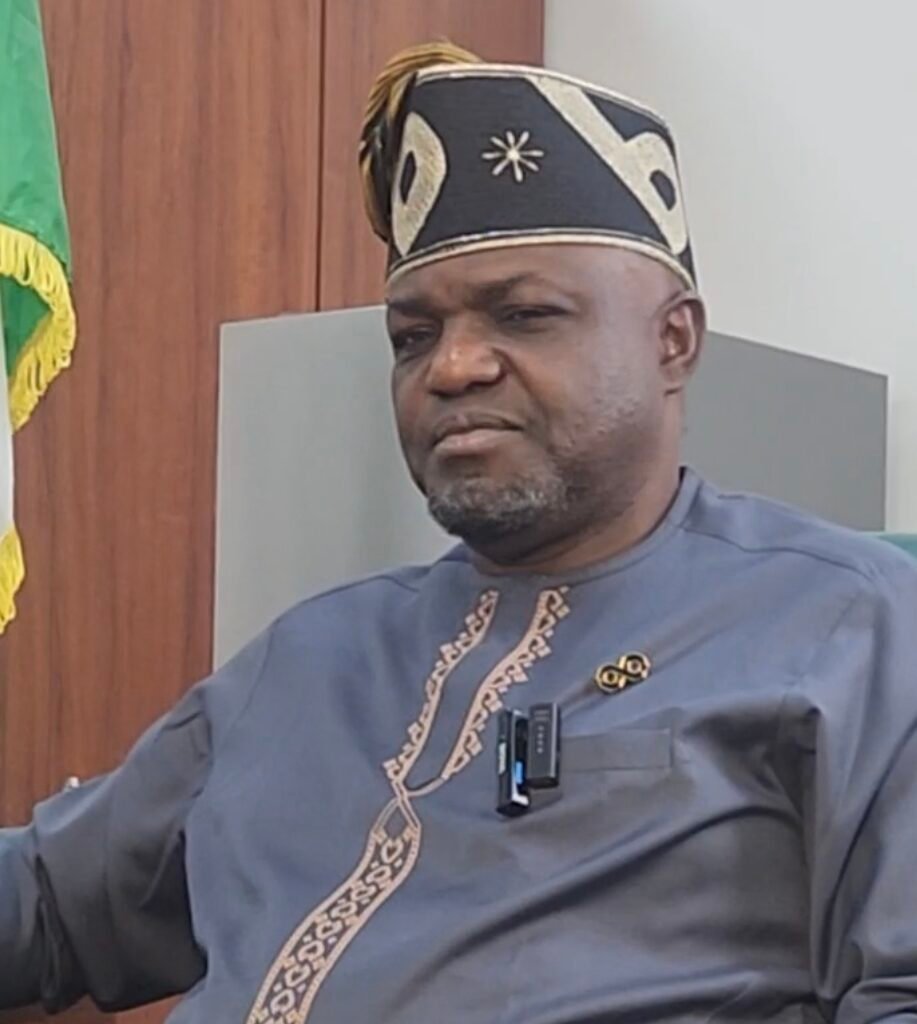
“We must explain what the law means, why it was crafted that way, and what citizens should expect,” he said.
Balogun emphasized that interpretation of electoral law can vary, even among judges, making public education essential both domestically and internationally.
Professional Lobbying as Democratic Practice
Drawing comparisons with Western democracies, he described lobbying as a legitimate and structured tool for influencing policy.
“In America, lobbying is recognized as part of governance. It is about presenting your case with knowledge and facts,” he stated.
He suggested Nigeria should normalize structured advocacy to ensure its perspectives are fairly represented in global policy discussions.
Media’s Role in Global Perception
Balogun called on the Nigerian media to play a balanced role in shaping the country’s image.
He said while investigative reporting remains essential, highlighting reforms and institutional improvements is equally important to prevent one-sided narratives abroad.
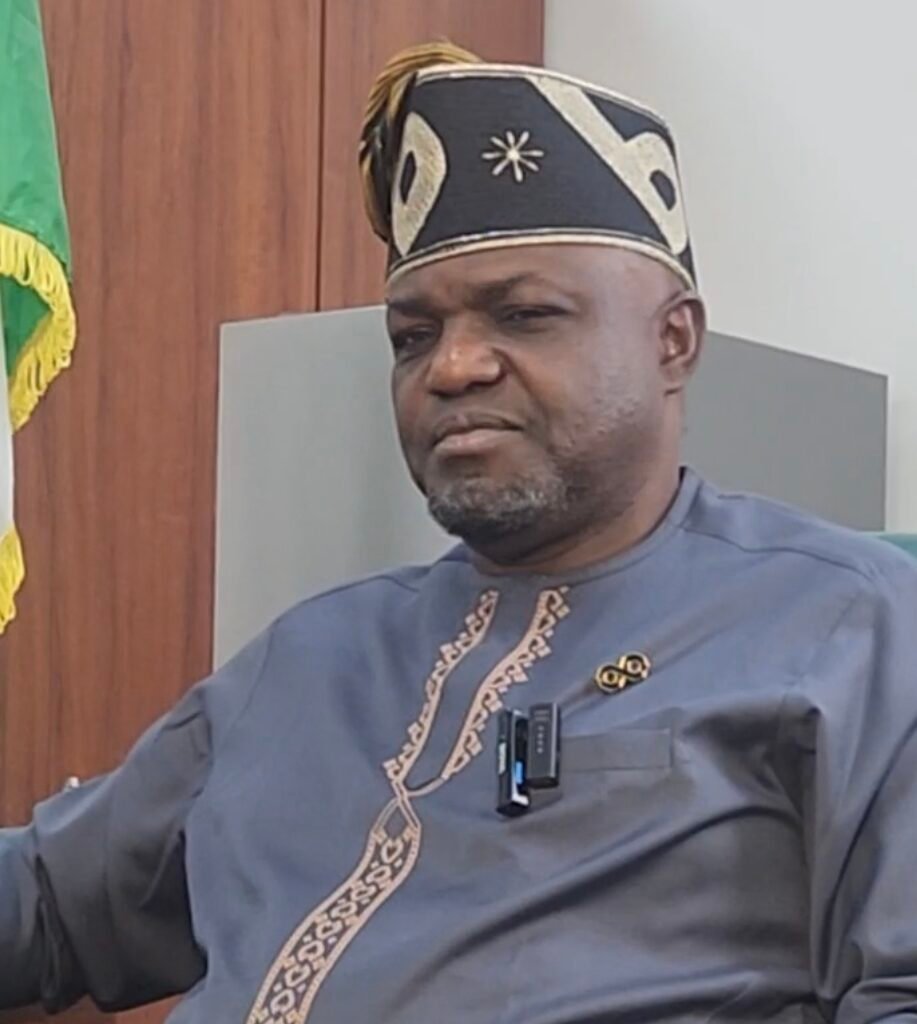
“Perception matters. Countries thrive or struggle partly based on how they are perceived,” he said.
Building Confidence Through Reform
The lawmaker maintained that Nigeria’s ongoing electoral reforms, stricter party regulations, and enhanced transparency measures are part of broader efforts to strengthen democratic credibility.
He concluded that sustained engagement, institutional reforms, and responsible communication are essential to positioning Nigeria as a stable and evolving democracy on the global stage.