By Media360Impact | Special Climate Feature
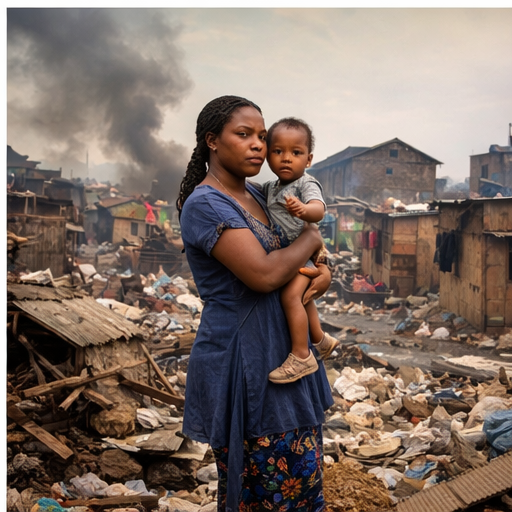
Climate change is redefining life across Nigeria. From devastating floods in the South to advancing desertification in the North, the impacts are no longer abstract they are visible, deadly, and deeply disruptive.Although Nigeria contributes a small fraction of global greenhouse gas emissions, it is among the countries most vulnerable to climate shocks, threatening livelihoods, food security, and national stability.
Understanding Nigeria’s Climate Crisis.
Climate change results from rising global temperatures driven largely by fossil fuel use, deforestation, and industrial pollution.
In Nigeria, this has translated into:
More intense and unpredictable rainfall
Rising sea levels along coastal areas
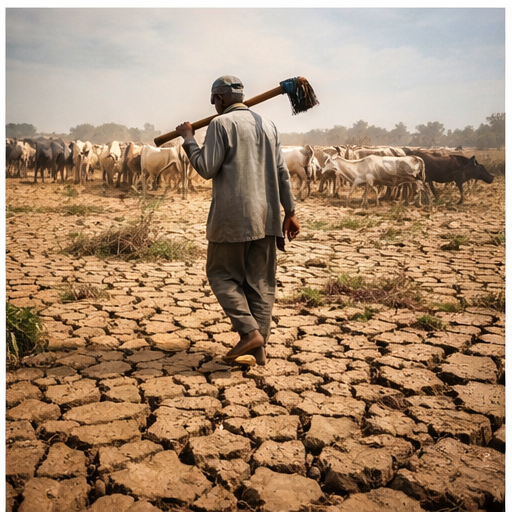
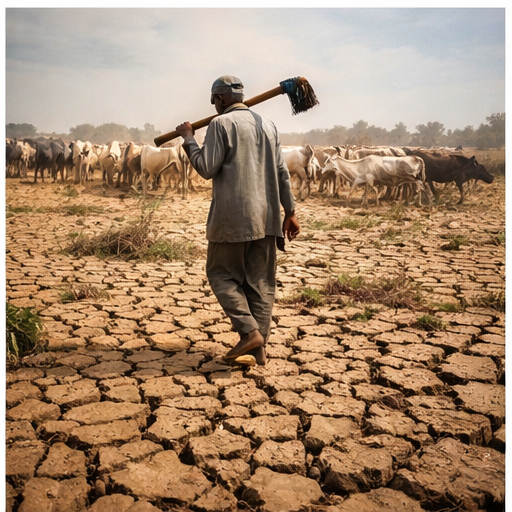
Longer drought periods in the North
These changes are overwhelming communities with limited capacity to adapt.
Flooding: A Recurring National Emergency
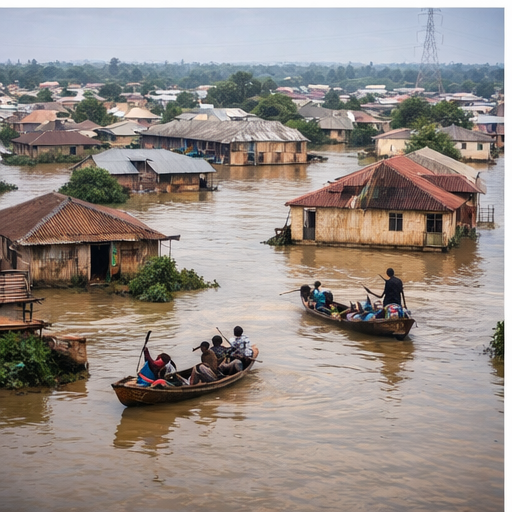
In recent years, Nigeria has experienced record-breaking floods, displacing millions and destroying homes, farmlands, and infrastructure.Flood-prone states such as Kogi, Benue, Bayelsa, Anambra, and Lagos have suffered repeated devastation, with thousands forced into displacement camps lacking basic services.
Experts warn that without urgent climate adaptation, flooding could become a permanent humanitarian crisis.Food Insecurity and Livelihood Loss. Climate change is threatening Nigeria’s agricultural backbone. Erratic rainfall and drought have reduced crop yields, driving up food prices and worsening hunger.
Farmers report: Shorter planting seasons, Increased pest infestation, Loss of arable land. As agriculture fails, competition for land and water fuels farmer-herder conflicts, particularly in the Middle Belt.
Climate Change as a Security Threat
Security analysts describe climate change as a threat multiplier, intensifying existing social tensions. Resource scarcity contributes to: Communal clashes, Forced migration, Urban overcrowding, Climate-driven displacement places additional strain on cities already struggling with unemployment and inadequate infrastructure.
Public Health Consequences
Climate change is also a health crisis.
Rising temperatures and flooding increase: Cholera outbreaks, Malaria transmission, Heat-related illnesses, Children, pregnant women, and the elderly are most at risk, especially in communities with limited healthcare access.
Global Responsibility and Climate Justice
Despite contributing less than 4% of global emissions, Africa bears disproportionate climate impacts. Nigeria and other developing countries continue to call for: Climate adaptation funding Loss and damage compensation, Fair energy transition support, Climate justice demands that nations most responsible for emissions shoulder greater responsibility.
Local Solutions and Community Action
Across Nigeria, communities are responding with resilience:Climate-smart farming practices, Tree-planting and reforestation, Solar energy adoption, Flood early-warning systems, Youth-led climate movements and civil society organizations are also amplifying advocacy efforts.
Role of Media and Policy Makers
The media plays a critical role in:
Translating climate science into human stories
Holding leaders accountable
Driving public engagement
Experts stress that strong climate policies, enforcement, and citizen participation are essential to Nigeria’s survival in a warming world.
Climate change is no longer a future threat it is Nigeria’s present reality.
Without urgent action, climate impacts will continue to undermine development, security, and human wellbeing.
The choices made today will determine whether Nigeria adapts or is overwhelmed.