
📍Abuja | Media360Impact Report
Tensions continue to rise over the handling of the Amasiri crisis in Ebonyi State, as serious allegations of constitutional breaches, selective enforcement, and governance lapses dominate public discourse around the unfolding situation.
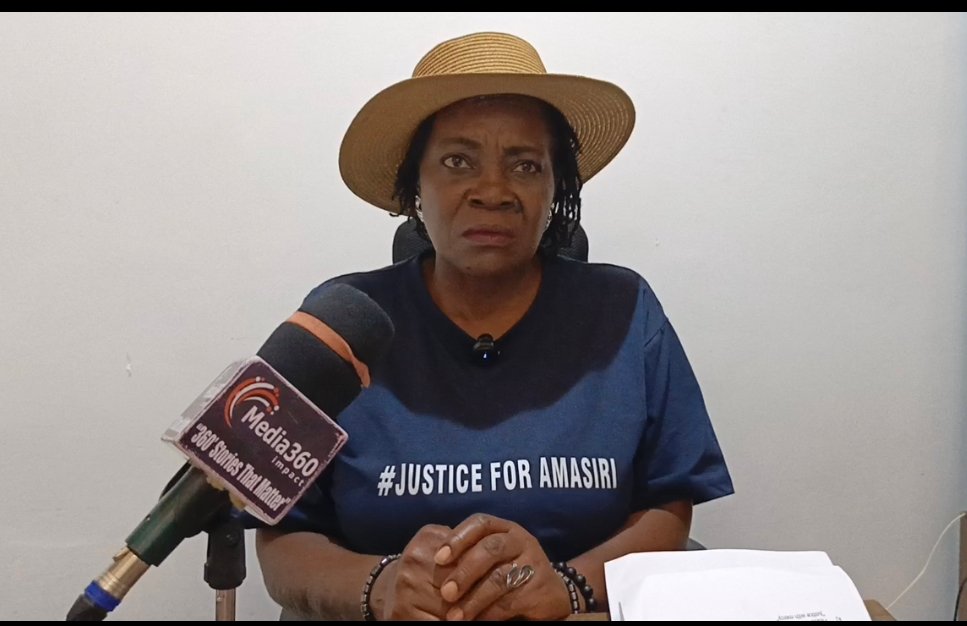
Princess Joy Omagidam, who speaks on behalf of the Amasiri community, has accused the administration of Francis Nwifuru of implementing measures she described as excessive, disproportionate, and one-sided following a reported communal conflict involving Amasiri and a neighbouring community.
At the centre of the concerns is the imposition of a prolonged curfew, alongside the deployment of security forces within Amasiri. According to Omagidam, these measures have had a far-reaching impact on residents, with restrictions on movement significantly affecting daily life.
She argued that the enforcement pattern appears uneven, with Amasiri residents bearing the brunt of the limitations while adjoining communities reportedly continue with relatively fewer disruptions.
The continued closure of critical public institutions including schools, markets, and healthcare facilities has further compounded the situation. Residents, she said, are experiencing disruptions to their livelihoods, limited access to education, and growing difficulty in obtaining medical care.
These developments, she noted, raise fundamental concerns about the protection of constitutional rights, particularly freedom of movement, access to education, and the right to basic healthcare.
Omagidam also highlighted what she described as inconsistencies in the application of restrictions, pointing out that while social and economic life remains largely halted for residents, certain economic activities particularly quarry operations within the area are reportedly ongoing. This, she argued, raises questions about priorities and fairness in the management of the crisis.
Beyond the immediate humanitarian concerns, the issue of detentions has further heightened anxiety within the community.
The spokesperson alleged that dozens of individuals, including traditional leaders, youths, and local stakeholders, are currently in custody without clearly defined charges.
She warned that such actions, if not addressed within the bounds of the law, could undermine due process and erode public confidence in the justice system.

Concerns have also been raised regarding cultural and religious rights. Omagidam criticised reported plans to dismantle shrines and traditional religious symbols within Amasiri, describing such moves as a direct violation of constitutionally guaranteed freedom of worship.
She emphasised that these sites represent deeply rooted cultural heritage and identity, which require protection rather than interference.
In response to the unfolding developments, the community has indicated its intention to explore legal avenues, including escalating the matter to international human rights platforms.
According to the spokesperson, this step is aimed at drawing global attention to the situation and seeking redress through established legal frameworks.
Observers note that the issues raised ranging from security operations and civil liberties to cultural preservation highlight the complex challenges associated with conflict management and governance.
They warn that the long-term implications could extend beyond Amasiri, potentially influencing public trust, inter-community relations, and the broader dynamics of civil-military engagement in the state.

The situation in Amasiri continues to evolve, with growing calls for balanced, lawful, and inclusive approaches to restoring peace and stability while safeguarding the rights and dignity of affected residents.