
0-0x0-0-0-{}-0-0#
By Gabriel Ameh
Concerns over the safety of adolescents in Nigerian schools took centre stage in Abuja as the Illmi Children Fund (ICF) unveiled findings from its Adolescent Safety in All Spaces (ASIS) Project, revealing that many cases of abuse experienced by students remain unreported due to stigma, fear, and weak reporting systems.
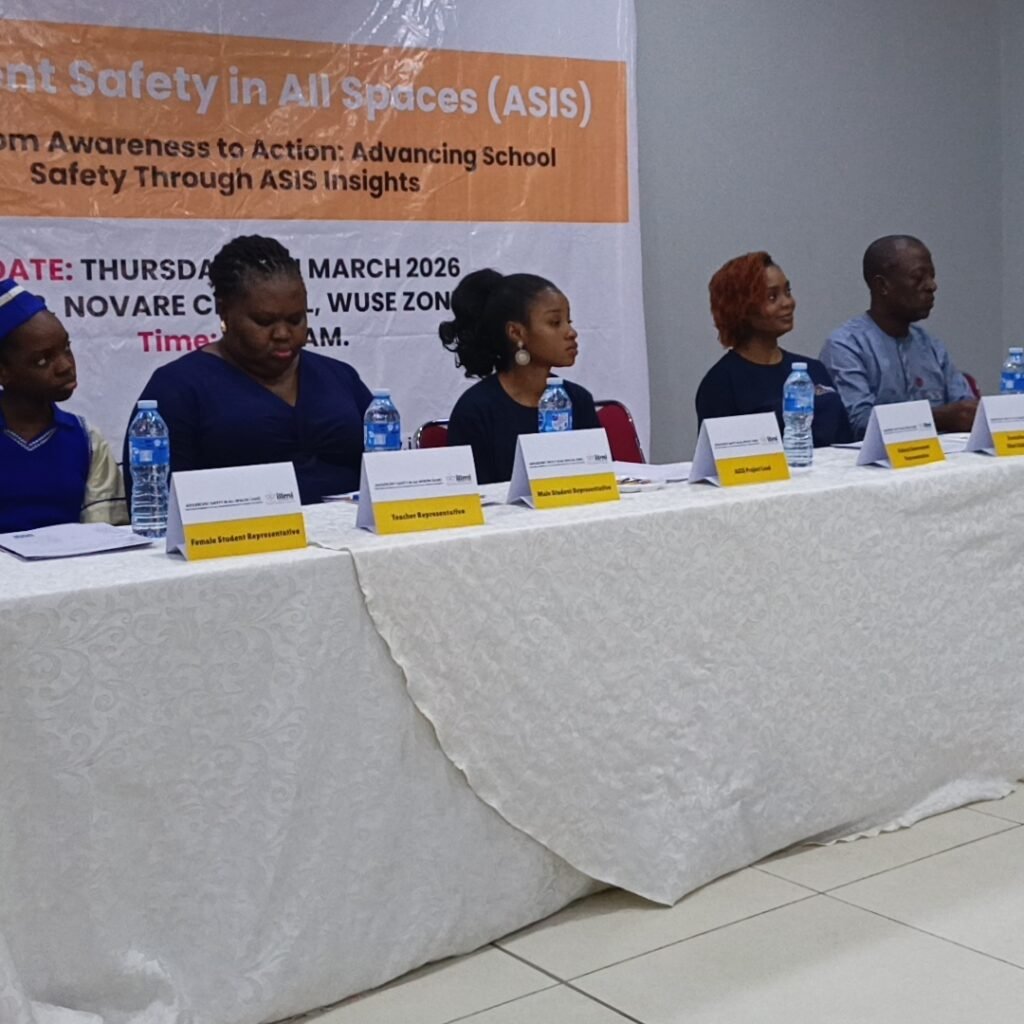
The project, implemented with support from the United Nations Population Fund (UNFPA), examined safety risks and school-related gender-based violence across 18 public secondary schools in the Federal Capital Territory (FCT) between 2024 and 2025.
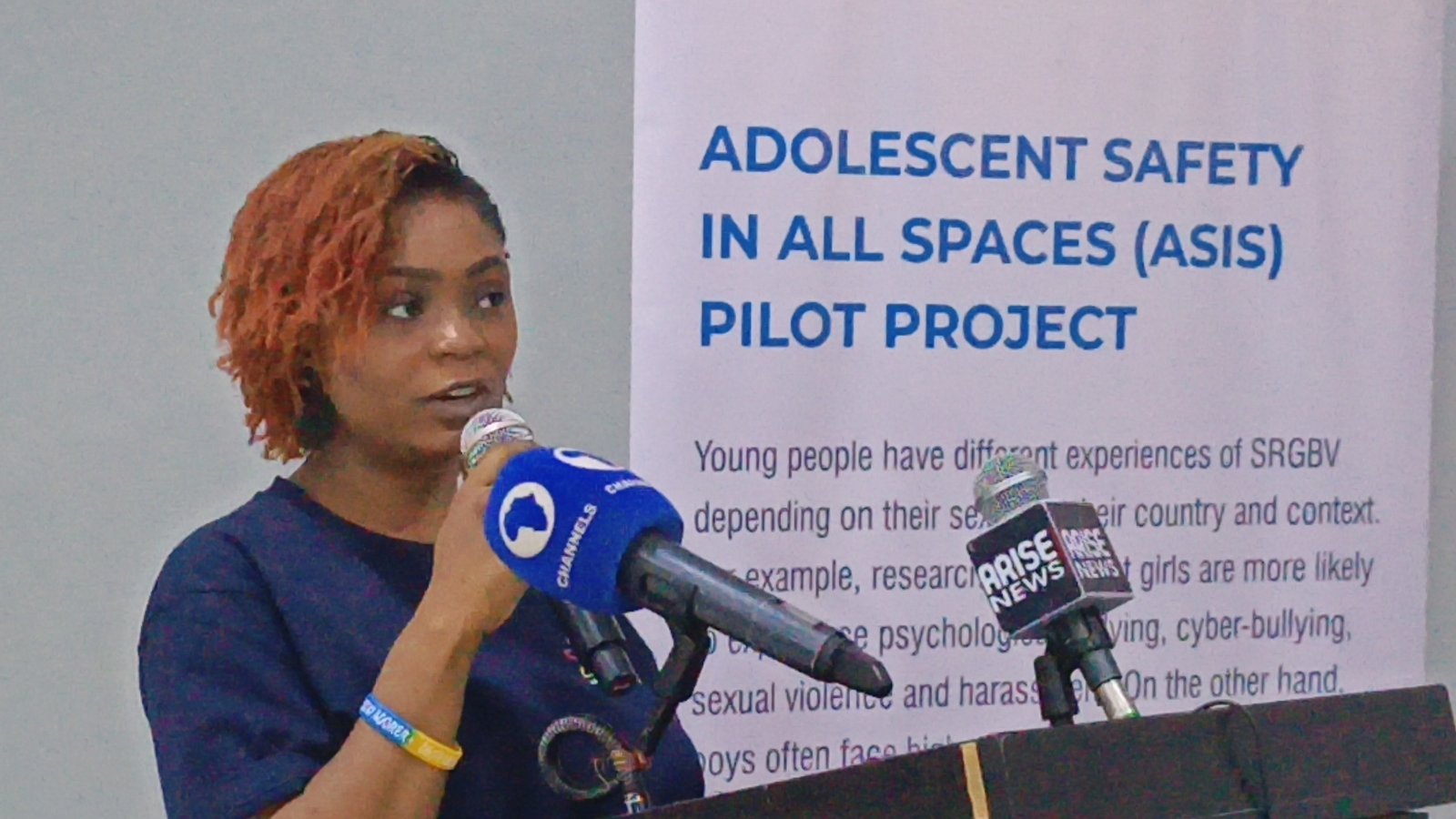
Delivering the welcome address on behalf of the Executive Director of ICF, Maryam Augie, Lynda Ezemba said the project relied on peer discussions and student engagement to assess existing institutional safeguards within schools.
She noted that while schools are meant to be safe learning environments, many students continue to experience harassment, violence, and intimidation that often go undocumented.
“Many incidents go unreported because students fear stigma, retaliation, and unclear reporting procedures,” she said.
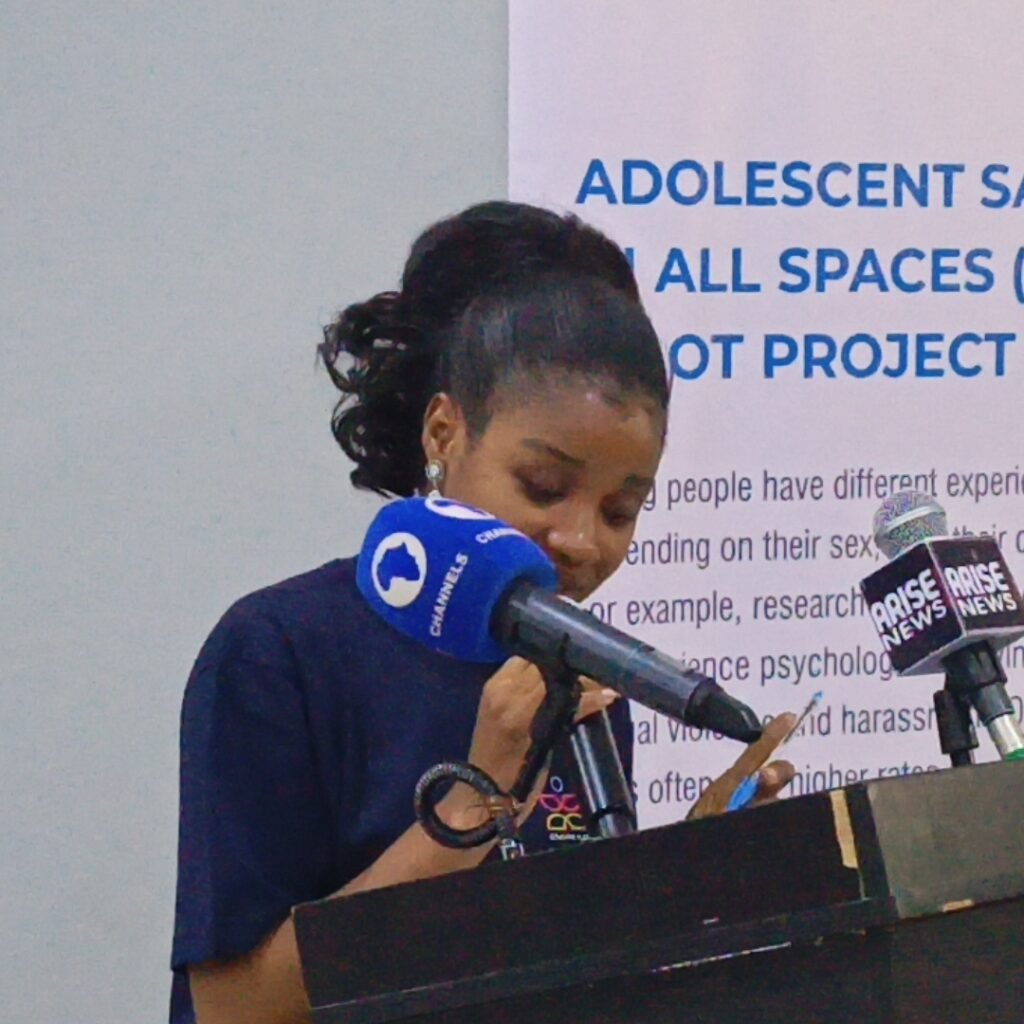
According to her, safeguarding systems within many schools are often not visible or trusted by the students who need them most.
Despite the challenges, Ezemba said adolescents themselves are willing to play an active role in building safer schools if institutions provide them with the right platforms and support.
“This is more than data; it is a call to action,” she stated.
“Schools, government institutions, civil society organisations, and development partners must strengthen reporting channels and ensure safeguarding systems are visible, accessible, and trusted.”
She also stressed that adolescents must be recognised as partners in creating safer learning environments.
“We must look beyond pilot schools because every adolescent, regardless of location, deserves protection, training, and opportunity,” she added.
Disturbing Findings
Presenting the project findings, Program and Gender Lead at Illmi Children Fund, Touia Muo, revealed troubling statistics from the study.
According to the report:
11% of students reported experiencing verbal abuse
18% reported physical abuse
12% reported sexual assault
28% reported attempted rape or rape
Muo explained that verbal abuse often receives less attention because it leaves no physical marks, even though it can cause deep emotional trauma.
“These are not just percentages,” she said.
“Each percentage represents a child sitting in a classroom every day trying to learn while carrying trauma.”
The study also challenged the common belief that violence mostly comes from strangers.
Instead, the data showed that perpetrators are often people within the child’s immediate environment including peers, teachers, and family members.
Fear and Lack of Trust
Another key concern highlighted by the project was the reluctance of students to report abuse.
Findings showed that:
26% of students do not trust school authorities to handle reports properly
30% said they do not know who to report to
Many fear retaliation after reporting incidents
These gaps, according to the researchers, show that institutional safeguarding systems remain weak or poorly communicated to students.
Call for Institutional Action
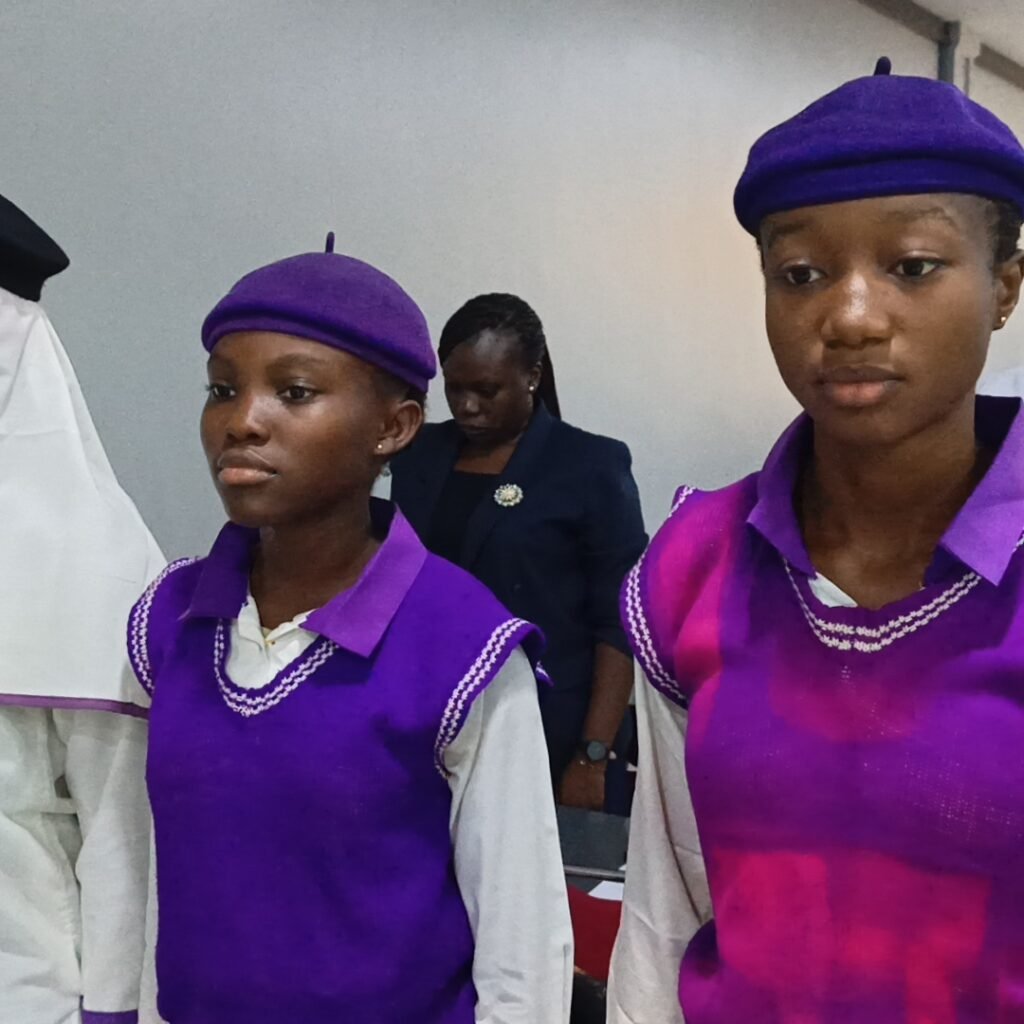
The ASIS Project used student-led gender and safety clubs, school safety mapping, and peer engagement to better understand students’ lived experiences.
The findings now serve as evidence to guide policy reforms and strengthen safeguarding frameworks within Nigeria’s education system.
ICF commended the FCT Secondary Education Board and the Universal Basic Education Board for their collaboration in the project.
The organisation also acknowledged the roles of school principals, teachers, and administrators who supported the initiative.
Ezemba concluded the event with a call for collective action.
“Real change happens when institutions choose courage over silence and accountability over complacency,” she said.
“Let us translate awareness into sustained action and ensure that every adolescent can learn, grow, and thrive in a safe and inclusive environment.”