

By Gabriel Ameh
Abuja: Nigeria has reiterated its commitment to principled and constructive engagement with the international community as it sets its foreign policy direction for 2026.
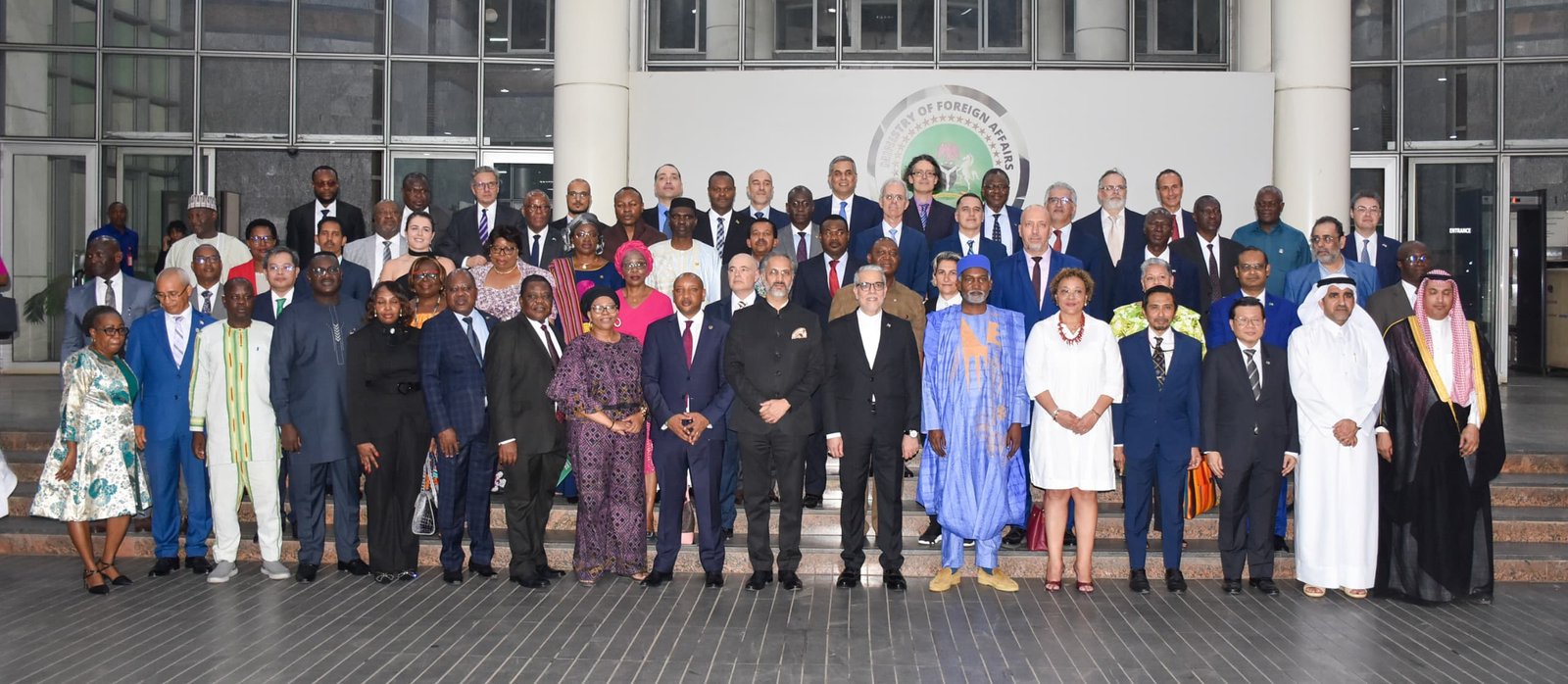
The Minister of Foreign Affairs, Yusuf Maitama Tuggar, made the pledge on Tuesday during the 2026 New Year Reception with members of the Diplomatic Corps and Heads of International Organisations accredited to Nigeria, held at the Ministry of Foreign Affairs in Abuja.
The event was attended by the Minister of State for Foreign Affairs, Bianca Odumegwu-Ojukwu, the Permanent Secretary of the Ministry, Ambassador Dunoma Umar Ahmed, senior ministry officials, ambassadors, high commissioners and representatives of international organisations.
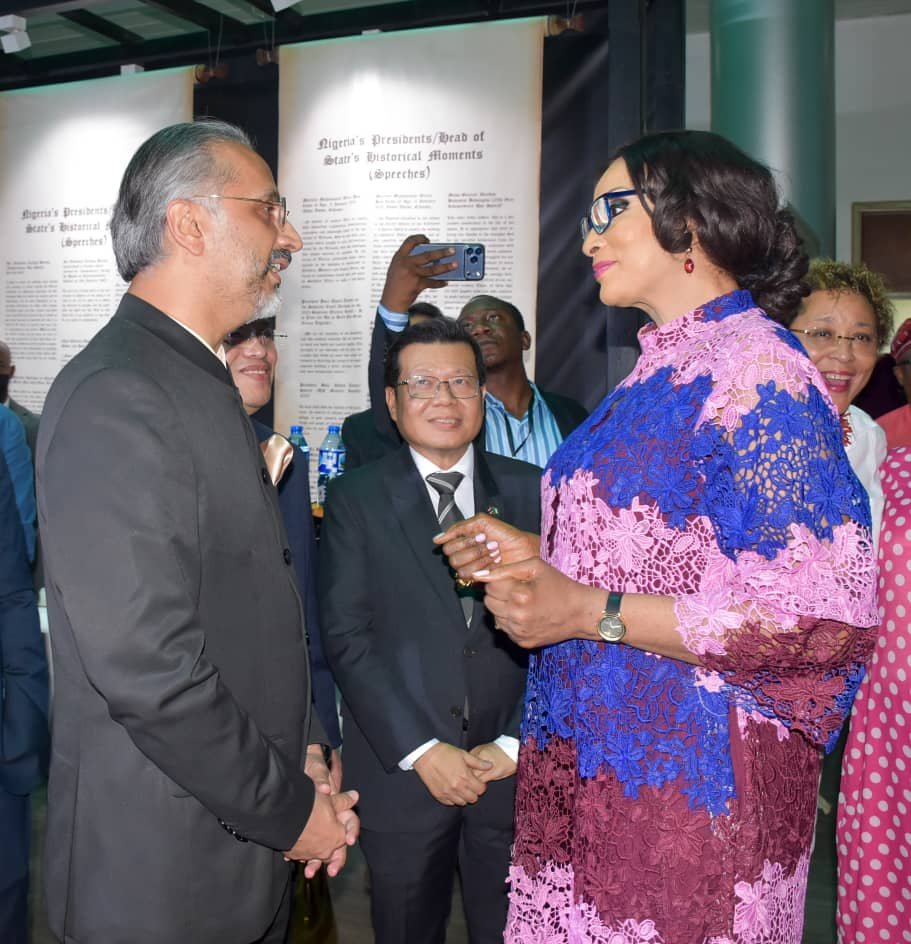
In his address, Tuggar expressed appreciation for the continued partnership between Nigeria and its global partners, noting that the country would pursue a foreign policy anchored on “strategic autonomy, regional stability and responsible global partnership” in the year ahead.
He said Nigeria remains committed to dialogue, cooperation and multilateral engagement amid shifting geopolitical dynamics and global uncertainty.
On economic diplomacy, the Minister highlighted Nigeria’s ongoing investment outreach and sector-specific partnerships spanning infrastructure, agriculture, energy, digital connectivity and industrial development.
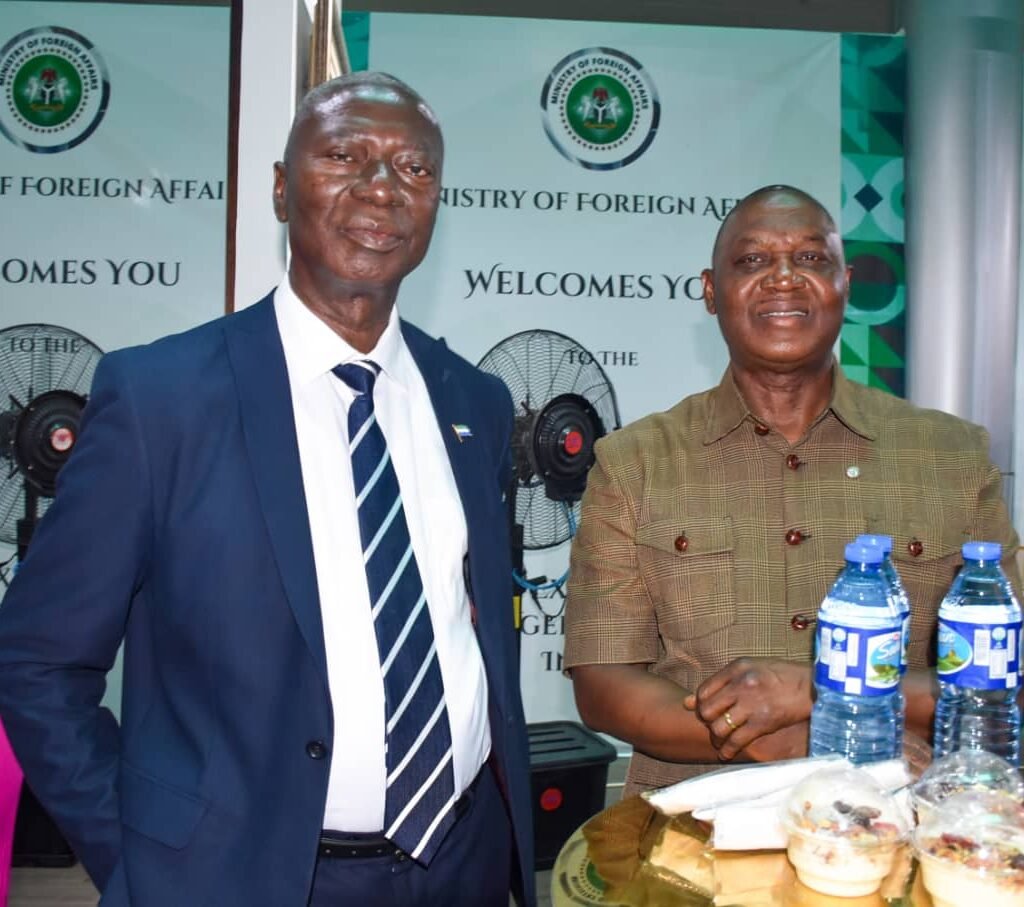
He referenced the inaugural West Africa Economic Summit convened on the sidelines of the ECOWAS @50 celebrations as part of broader efforts to strengthen regional trade integration and private sector-driven growth.
Addressing governance and regional security, Tuggar underscored Nigeria’s collaboration with the United Nations Development Programme (UNDP) under regional democracy initiatives aimed at promoting electoral integrity and inclusive governance across West Africa and the Sahel. He added that security in the Sahel remains a strategic priority, calling for stronger, results-oriented partnerships.
The Minister also pointed to recent macroeconomic reforms, including the unification of the foreign exchange regime, efforts to deepen capital markets and fiscal adjustments, which he said position Nigeria as a competitive destination for long-term investment.
Reaffirming Nigeria’s support for multilateralism and rules-based international cooperation, Tuggar sought diplomatic backing for the country’s candidacies to several international bodies, including the United Nations Human Rights Council and a non-permanent seat on the United Nations Security Council for 2030.
In a procedural update, he announced that ambassadors-designate may begin official duties upon presenting copies of their Letters of Credence to the Chief of Protocol, pending formal presentation to the President and Vice President a move aimed at improving diplomatic efficiency.
The Minister further emphasised that the Ministry of Foreign Affairs remains the formal channel of communication between the Diplomatic Community and the Federal Government, reiterating the importance of adherence to established diplomatic protocol.
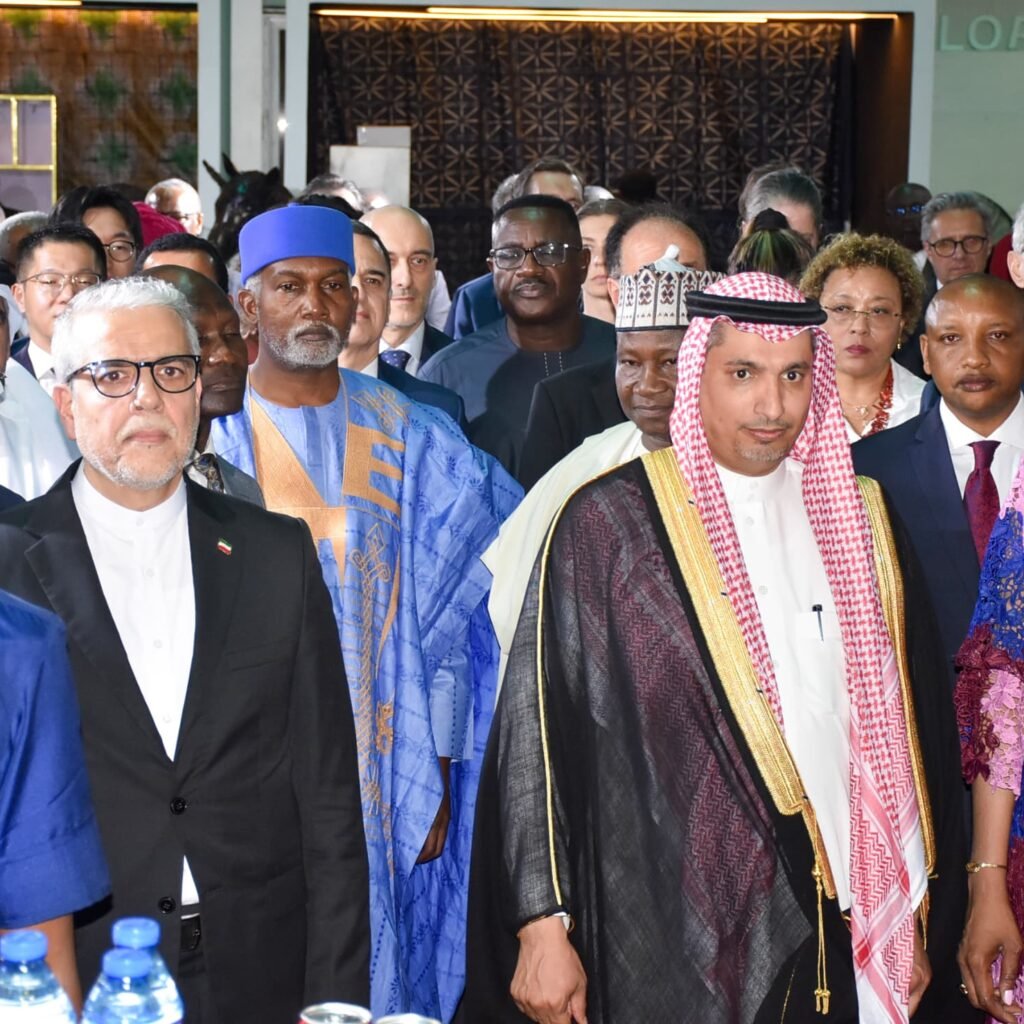
The reception provided an opportunity for renewed engagement and exchange of New Year goodwill between Nigeria and its international partners, as the country positions itself as a stabilising and cooperative actor on regional and global issues in 2026.


