
By Media360Impact | Special Health Feature
Nigeria stands at a critical crossroads in the global fight against HIV/AIDS. While medical science has made it possible for people living with HIV to lead long and productive lives, structural barriers poverty, stigma, insecurity, and weak health systems continue to slow progress.
With an estimated 1.9 million Nigerians living with HIV, the country carries one of the highest burdens globally. The epidemic is no longer just a health issue; it is a development, gender, and human rights challenge that demands urgent, sustained action.
HIV/AIDS: A Public Health Reality in Nigeria
HIV attacks the immune system, making the body vulnerable to opportunistic infections. Without treatment, it progresses to AIDS, often resulting in premature death.
In Nigeria, transmission remains driven by:
Unprotected heterosexual intercourse
Mother-to-child transmission
Low risk perception among young people
Limited access to testing in rural and conflict-affected areas
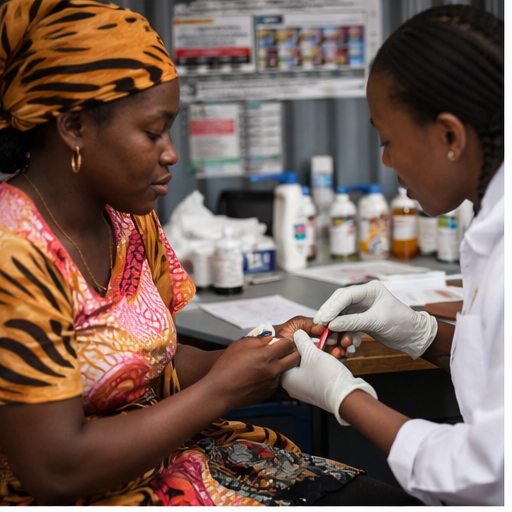
Despite years of intervention, many Nigerians still do not know their HIV status, allowing the virus to spread silently.
Women and Young People at the Epicenter
Women account for more than 60% of people living with HIV in Nigeria. Adolescent girls and young women aged 15–24 are especially vulnerable due to:
Gender inequality and economic dependency
Early marriage and sexual violence
Limited access to sexual and reproductive health education
In many communities, cultural norms prevent young people especially girls from accessing accurate sexual health information, increasing their risk.
Treatment Breakthroughs and the Promise of U=U
Antiretroviral Therapy (ART) has transformed HIV from a death sentence into a manageable condition. When treatment is adhered to consistently, viral load becomes undetectable, meaning the virus cannot be transmitted.
This scientific reality, known as Undetectable = Untransmittable (U=U), has the potential to eliminate stigma but only if people are informed and services are accessible.
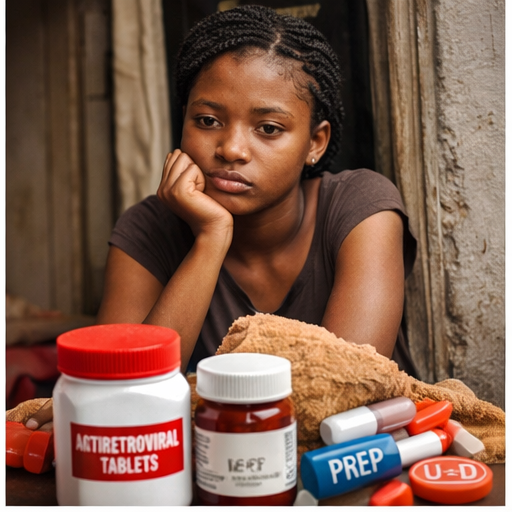
Nigeria has expanded ART coverage significantly, yet thousands still fall through the cracks, particularly in rural areas and regions affected by insecurity.
Stigma: The Silent Driver of the Epidemic
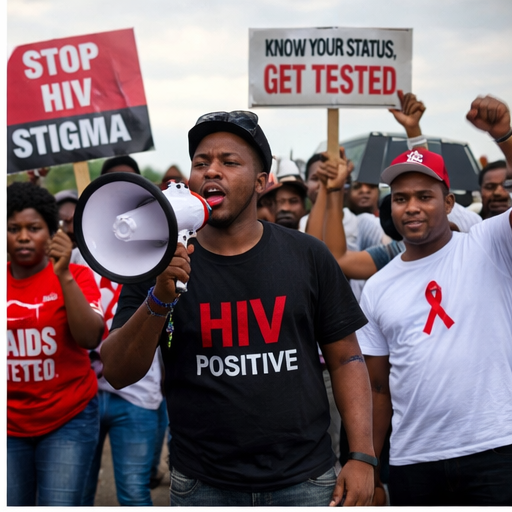
Stigma remains one of the biggest obstacles to ending HIV in Nigeria. Many people avoid testing or treatment for fear of:
Social rejection
Loss of employment
Family shame
Breach of confidentiality
In extreme cases, people living with HIV especially women face domestic violence or abandonment after disclosure.
Public health experts stress that ending stigma is as important as providing medicine.
Impact of Conflict and Humanitarian Crises
Insecurity in parts of Northern Nigeria has disrupted HIV services.
Health facilities have been destroyed, healthcare workers displaced, and patients cut off from treatment.
Internally Displaced Persons (IDPs), especially women and children, face heightened risk due to:
Sexual violence
Poor access to healthcare
Interrupted treatment
Humanitarian responses often struggle to integrate HIV services fully into emergency settings.
Funding Gaps and Sustainability Concerns
Nigeria relies heavily on donor funding for HIV programs. However, global funding is declining, raising concerns about sustainability.
Health advocates warn that without increased domestic funding and political commitment, gains made over the past two decades could be reversed.
The Way Forward
To end AIDS as a public health threat in Nigeria by 2030, experts recommend:
Scaling up community-led testing and treatment
Protecting the rights of people living with HIV
Integrating HIV services into primary healthcare
Investing in youth-friendly health services
Addressing gender-based violence
Nigeria has the tools to end HIV/AIDS but tools alone are not enough. Ending the epidemic requires political courage, social change, and sustained investment.
The fight against HIV is not just about medicine; it is about dignity, justice, and leaving no one behind.