
By Gabriel Ameh
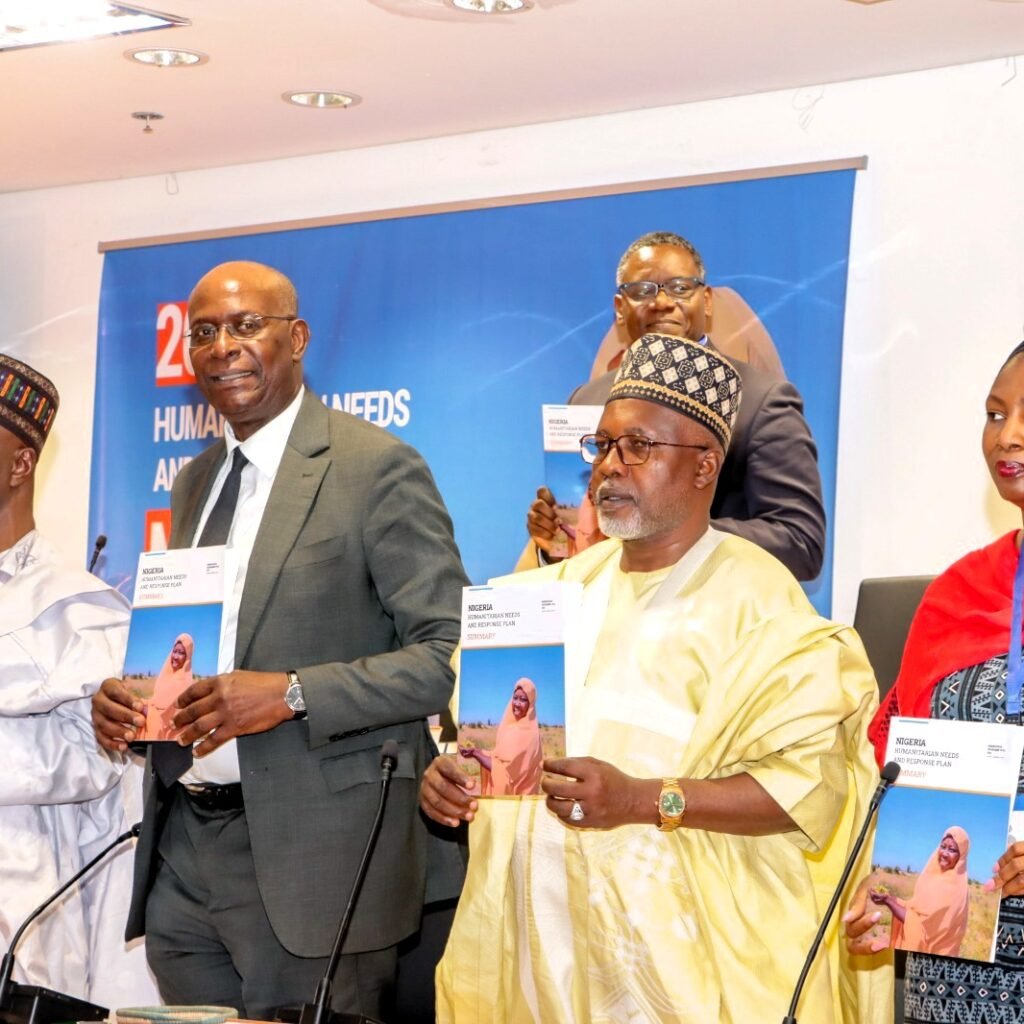
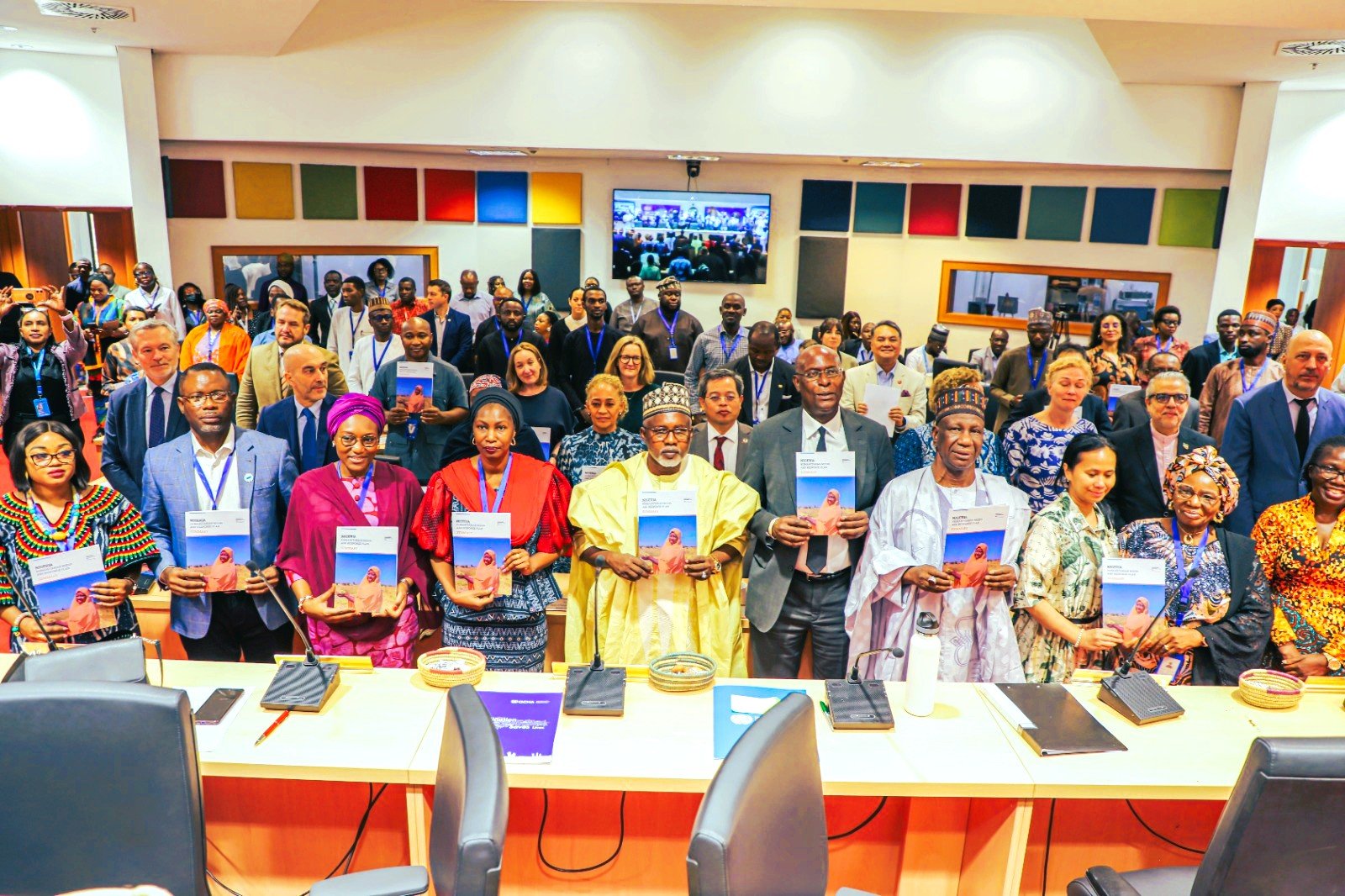
Abuja, 22 January 2026 – The Government of Nigeria, in collaboration with humanitarian partners, has launched an urgent appeal for $516 million to provide lifesaving assistance to 2.5 million people in Borno, Adamawa, and Yobe (BAY) States in north-east Nigeria this year. Women and children account for eight out of every ten people in immediate need.
The appeal is part of Nigeria’s 2026 Humanitarian Needs and Response Plan (HNRP) and comes amid escalating needs in the BAY states due to a 16-year conflict. The crisis has been worsened by widespread displacement, limited access to basic services, climate shocks, economic hardship, and shrinking livelihood opportunities.
“Humanitarian needs are dramatically worsening at a time when we face the steepest decline in international funding for humanitarian operations,” said Mohamed Malick Fall, UN Resident and Humanitarian Coordinator in Nigeria.
“Every day that funding gaps persist is a day another malnourished child is pushed closer to preventable death.”
In 2026, an estimated 3 million children under five in Nigeria are projected to suffer from life-threatening severe acute malnutrition, with 1 million of these children in the BAY States. Nearly 35 million Nigerians are expected to face acute food insecurity during the 2026 lean season, including 5.8 million in the BAY States.
The HNRP emphasizes a transition to nationally led humanitarian action, with a gradual reduction in international support amid declining global funding. Successful implementation will require strong collaboration between the Government and humanitarian partners.
In his remarks, Dr. Bernard Doro, Federal Minister of Humanitarian Affairs and Poverty Reduction, reaffirmed the Government’s leadership in coordinating humanitarian responses. He stated:
“The Government will continue to provide policy direction, coordination leadership, and systems alignment to ensure humanitarian efforts complement broader national reforms aimed at reducing poverty, strengthening human capital, and building resilient communities.”
The Governors of the BAY states – Professor Babagana Zulum (Borno), Ahmadu Umaru Fintiri (Adamawa), and Mai Mala Buni (Yobe) – also pledged to strengthen collaboration with humanitarian partners to deliver urgent assistance and advance durable solutions.
Funding for the 2025 HNRP amounted to $282 million, about half of what was received in 2024, leading to a significant drop in humanitarian assistance. In 2026, additional resources, including increased government investment, are urgently needed to provide lifesaving food, nutrition, healthcare, water, sanitation, and protection services. Improved security remains critical to reduce civilian risks and create conditions for sustainable solutions in the BAY States.
Notes
In 2025, the HNRP targeted 3.6 million people with an appeal for $910 million. The 2026 plan prioritizes lifesaving needs for 2.5 million people due to limited resources.
Over 2 million people have been displaced in the BAY states due to conflict and insecurity.
Non-state armed groups’ activities, including suicide bombings and improvised explosive devices, continue to endanger civilians and hinder humanitarian access. Approximately 4,000 civilians were killed in the first eight months of 2025, a figure comparable to 2023.
The lean season, occurring between June and August, is marked by low food availability and heightened food insecurity.
While the HNRP focuses on the BAY states, extreme humanitarian needs exist across Nigeria. Alternative response models integrating humanitarian, development, and peace approaches are being explored nationwide.
For more information, please contact:
Ann Weru Public Information Officer, UN Office for the Coordination of Humanitarian Affairs (OCHA), Nigeria
Phone: +234 038 2706