
By Gabriel Ameh (Media360Impact)
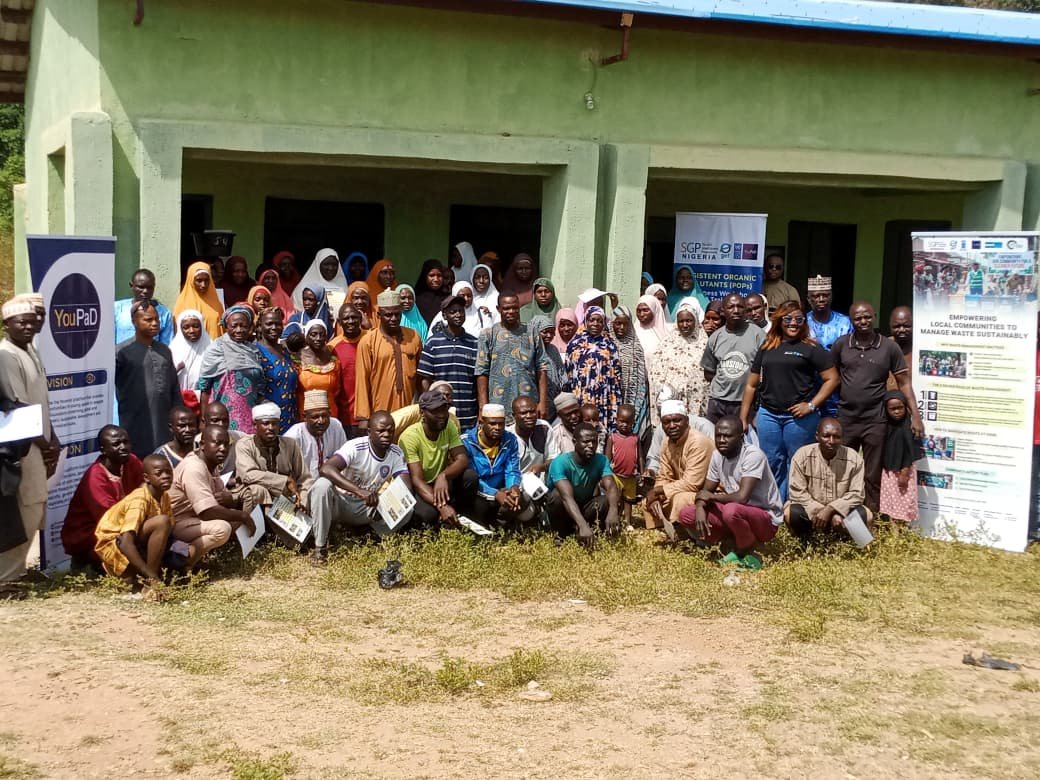
In a groundbreaking initiative led by Young Professionals in Policy and Development (YouPaD), the United Nations Development Programme (UNDP), through its Small Grants Programme (SGP), and the Global Environment Facility (GEF), in partnership with EcoCykle and Basic Rights Watch, have empowered 70 residents of Gurku community in Nassarawa State with practical training on sustainable waste management and organic farming.
The project, implemented by YouPaD, is part of a wider drive to promote environmental sustainability and community empowerment. It aims to equip local farmers and households with the knowledge and tools to turn waste into wealth while protecting the environment and improving rural livelihoods.
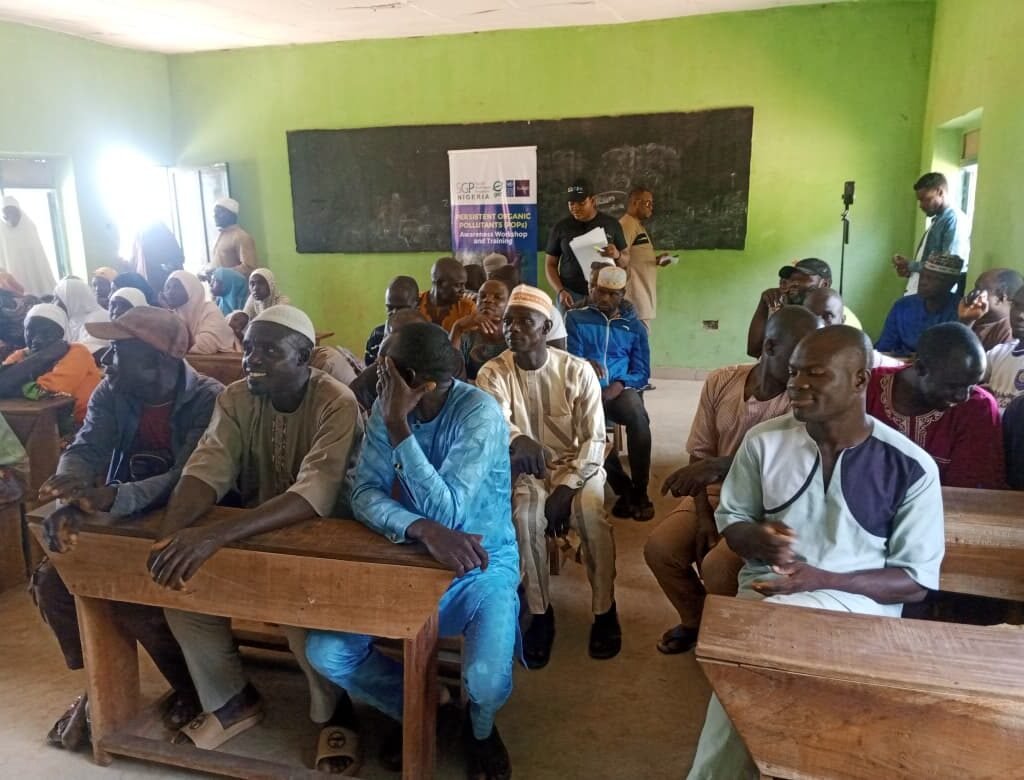
During the training, Dr. Ugonna Obi-Emeruwa, Research Coordinator at Basic Rights Watch (BRW), provided a detailed overview of waste management and its growing challenges in rural areas. He emphasized the harmful effects of improper waste disposal on human health, the environment, and local economies, urging communities to take responsibility for their waste and adopt sustainable disposal methods.
Dr. Obi-Emeruwa further noted that effective waste management must begin at the household and community levels, adding that converting waste into usable resources can significantly reduce environmental degradation while improving agricultural productivity.
Sophie Chika, Project Officer at YouPaD, led a hands-on session on sustainable waste management practices, including waste segregation, composting, and recycling. She emphasized the “Three Golden Rules of Waste Management” Reduce, Reuse, and Recycle and demonstrated how organic waste can be turned into compost to boost soil fertility and enhance crop yield. Her session underscored that small daily actions, such as separating waste and reusing materials, can generate lasting environmental benefits and open up new income opportunities for rural households.
In another session, Lauritta Boniface, Executive Director of EcoCykle, facilitated an interactive discussion that allowed participants to share their experiences and challenges in managing waste. The exchange encouraged collective problem-solving and strengthened the participants’ understanding of how community-driven action can lead to more sustainable environmental outcomes.
Ms. Lois Bishio, Social Media Manager of EcoCykle, also led an engaging session on organic farming and Persistent Organic Pollutants (POPs). She explained how organic farming reduces harmful pollutants, promotes healthier food production, and improves soil quality. She demonstrated simple ways organic waste can be repurposed into compost, supporting sustainable agricultural systems.
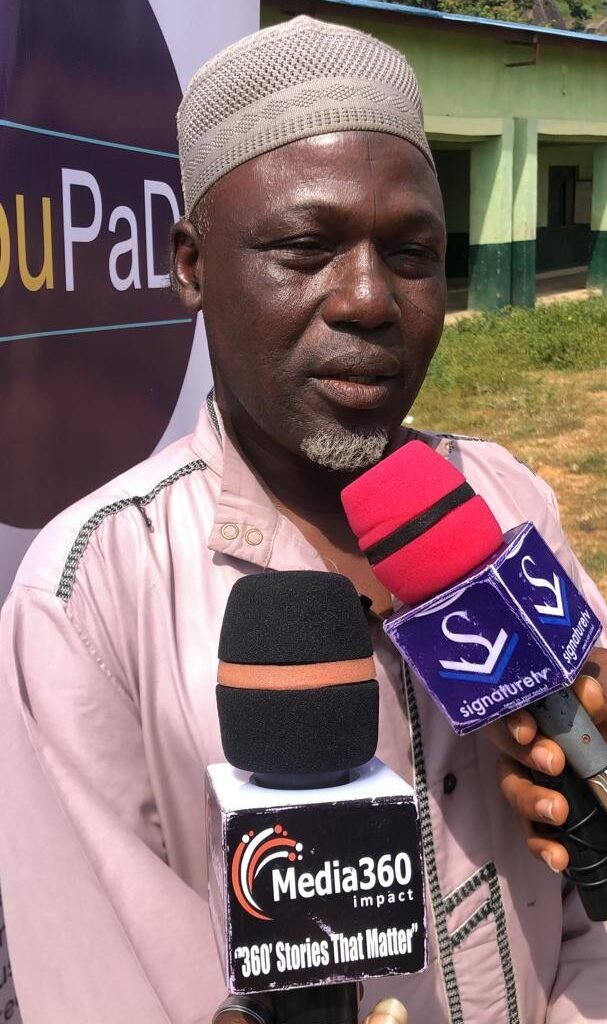
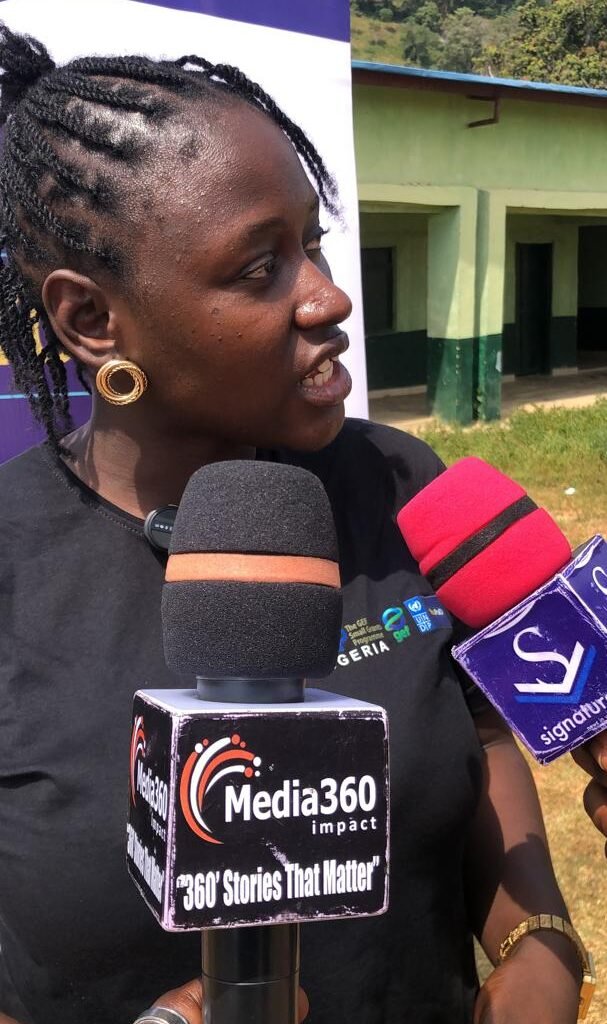
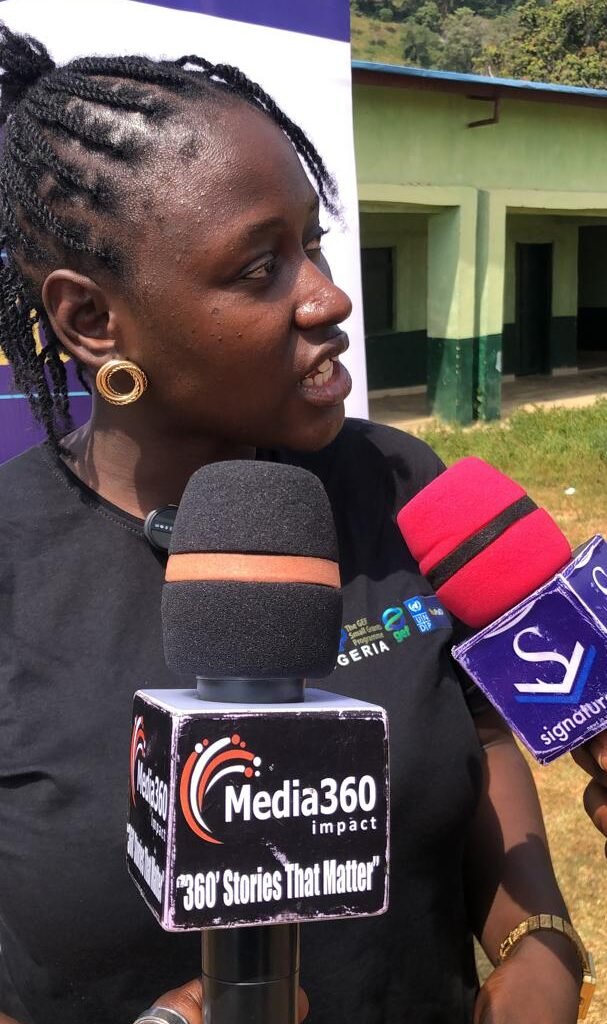
Speaking with Media360Impact, Ms. Lauritta Boniface explained that the objective of the project is to build lasting community capacity for waste and environmental management. She revealed that the initiative will not stop in Gurku but will be expanded to neighboring communities in Nassarawa State and other regions.
“This is not a one-off training,” she stated. “We are developing a long-term model that empowers communities to take charge of their waste systems and lead their own sustainability projects.”
Also speaking with Media360Impact, Ms. Lois Bishio emphasized the role of organic farming in managing organic waste and reducing POPs, noting that such practices not only enrich the soil but also contribute to cleaner, healthier communities.
The workshop concluded with a collective pledge by participants to establish community waste management groups, create collection hubs, and adopt organic composting in their farming activities. Organizers affirmed that the initiative represents a growing commitment to local empowerment, environmental protection, and sustainable agriculture across Nigeria’s rural communities.