
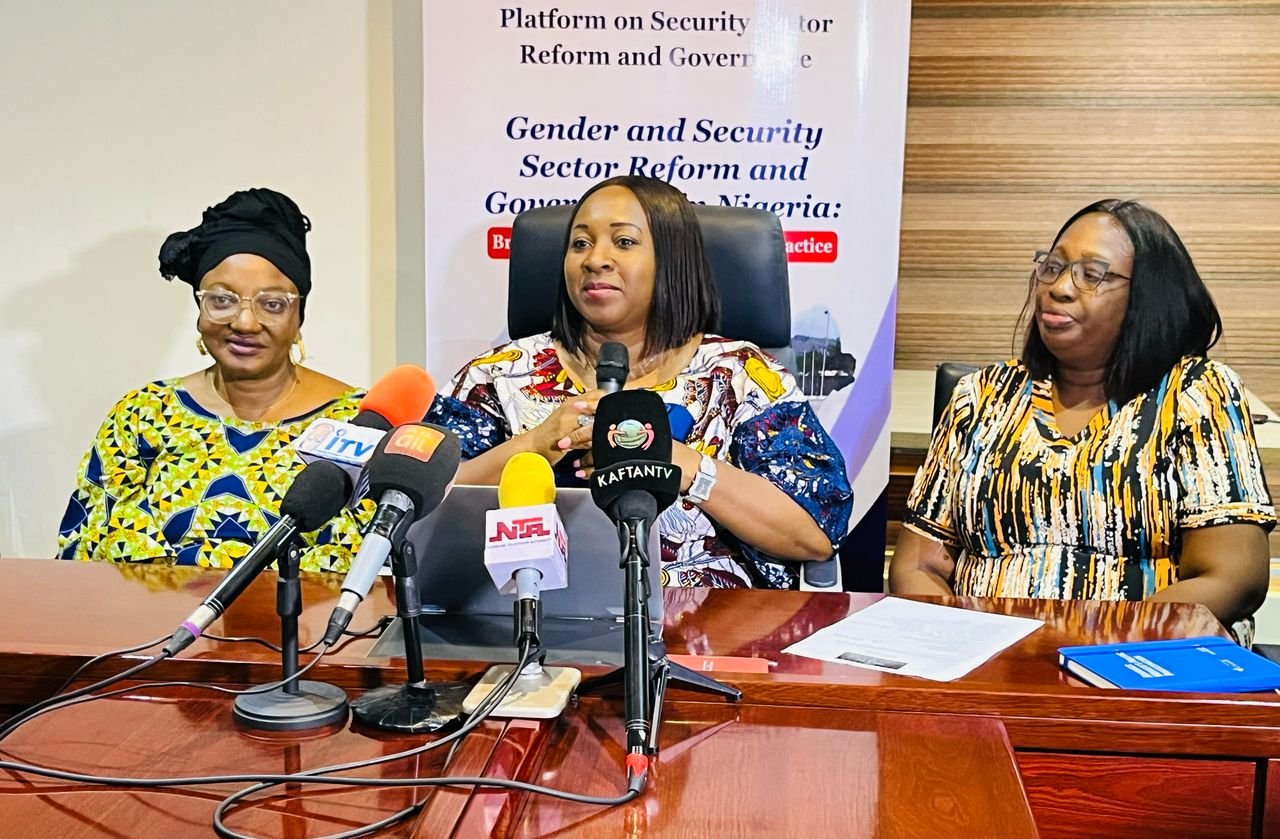
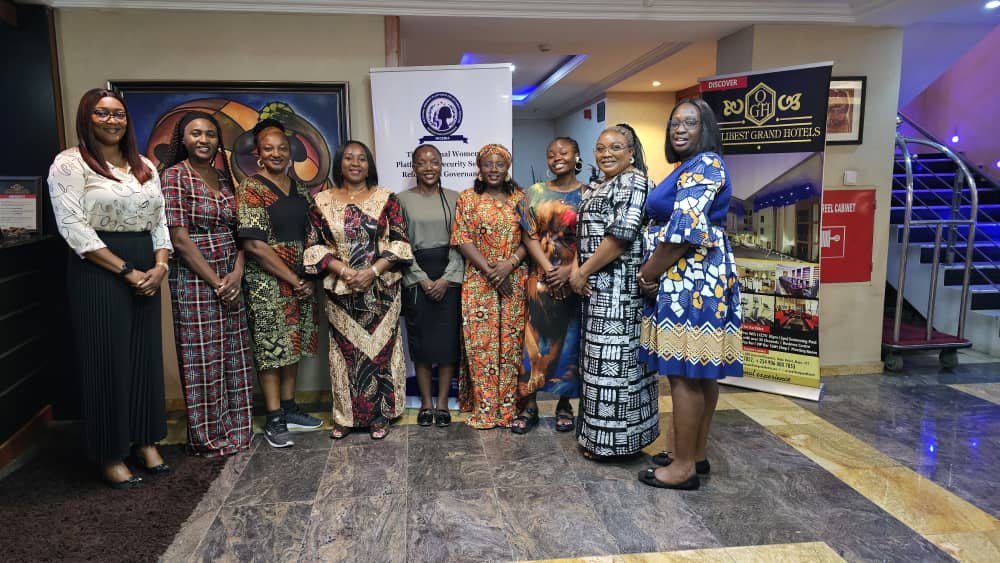
By the National Women Platform on Security Sector Reforms and Governance (N-SSRG)
As the world marks the 2025 International Day of the Girl Child, Nigeria stands at a defining moment a time to rethink how it perceives, protects, and promotes the potential of its girls.
This year’s theme, “The Girl I Am, The Change I Lead: Girls on the Frontlines of Crisis,” calls for a bold shift in narrative. It challenges us to see girls not as passive victims of circumstance, but as innovators, leaders, and architects of change.
Across Nigeria, multiple crises are reshaping childhood.
In the North-East and North-West, conflict and insecurity have displaced thousands of families, disrupted education, and deepened vulnerabilities.
In the South, climate-induced floods and environmental degradation have uprooted communities, while economic hardship continues to push more girls into early marriage, unpaid labour, or exploitative survival strategies.
Yet, in the midst of these challenges, Nigerian girls are quietly leading transformation— demonstrating resilience, creativity, and courage. They are not helpless. They are strategic, visionary, and determined to shape their own futures.
Nigeria’s adoption of the Women, Peace and Security (WPS) Agenda and its National Action Plan acknowledges that sustainable peace is impossible without the inclusion of women and girls. However, adolescent girls remain largely invisible in the design of peacebuilding and humanitarian programmes. That invisibility must end.
To truly empower girls on the frontlines, Nigeria must embrace three urgent shifts:
- From Protection to Participation
Girls must be seen not only as beneficiaries of protection but as active partners in leadership. Decision-making spaces — from community peace committees to education boards and humanitarian response teams — must deliberately include adolescent girls whose perspectives reflect lived realities in crisis-affected areas.
- From Rhetoric to Resources
Goodwill is not enough without investment. Funding streams must directly support girl-led initiatives, literacy clubs, mentorship programmes, digital learning platforms, and leadership training networks. True empowerment begins when resources reach the grassroots and girls are trusted to drive change.

- From Policy to Practice
Nigeria has made progress with frameworks such as the Child Rights Act and the Violence Against Persons (Prohibition) Act (VAPP), but implementation remains uneven. Full domestication and enforcement across all states are essential to guarantee safety, education, and opportunity for every girl particularly those in conflict-affected or fragile contexts.
The National Women Platform believes that the leadership of girls in crisis is not a distant dream it is a present reality that must be recognized, amplified, and institutionalized. Across communities, girls are already solving problems, rebuilding hope, and leading their peers toward peace and progress.
As we commemorate the International Day of the Girl Child 2025, we must amplify their voices, dismantle barriers, and build systems that enable their leadership.
The girl on the frontline of crisis is not a symbol of fragility she is the heartbeat of resilience, peace, and national transformation.
Because the girl I am is the change Nigeria needs.
National focal person ( Civil)
Dr Plangsat Dayil