By Ishioma Appiah
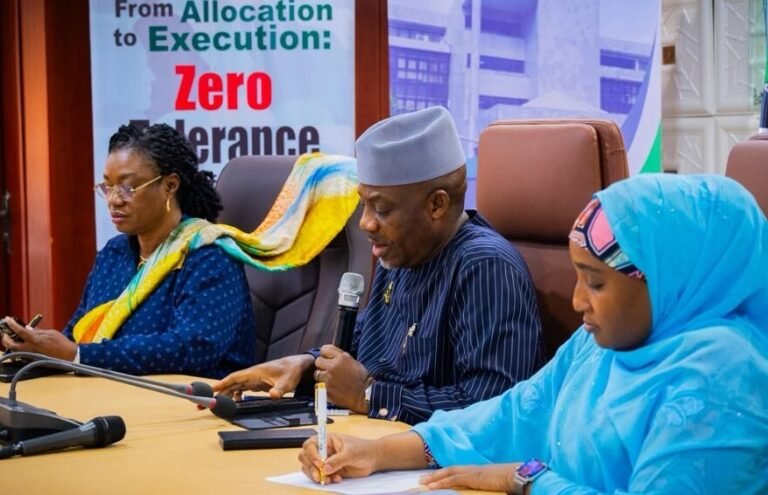
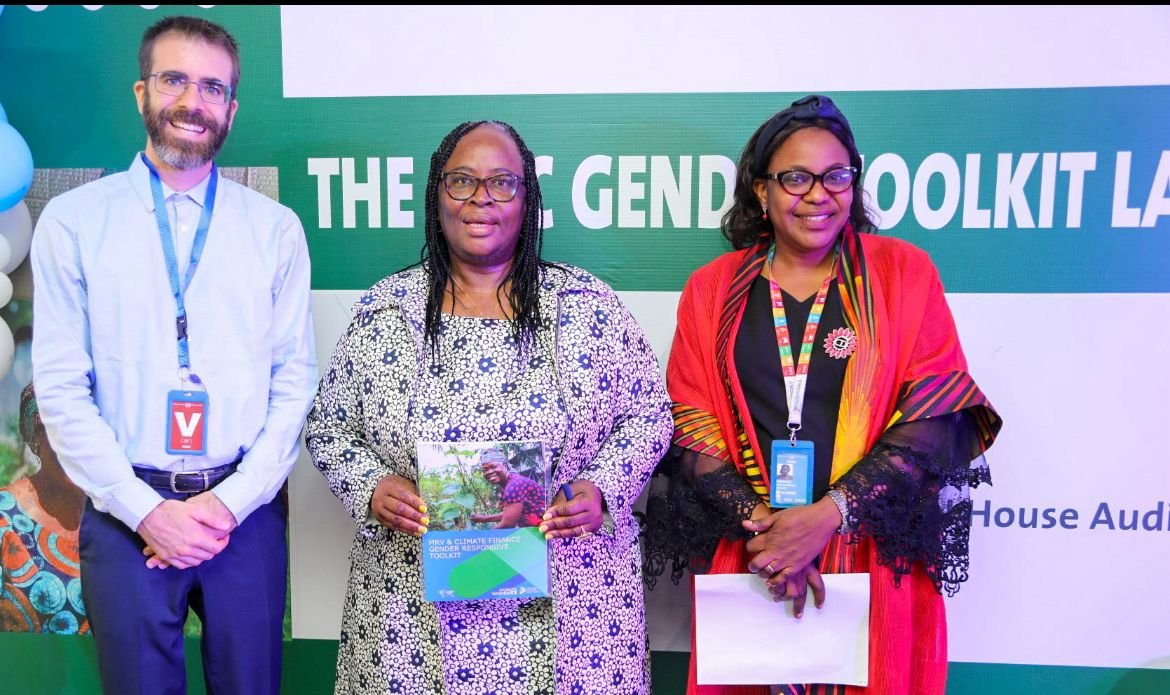
In a landmark step toward strengthening gender equality in Nigeria’s climate governance, UN Women, in partnership with the National Council on Climate Change (NCCC), has launched Nigeria’s Nationally Determined Contribution (NDC) Gender Integration Toolkit and Strategy at the United Nations House in Abuja.
The new initiative introduces eight sectoral toolkits and a cross-sectoral Monitoring, Reporting, and Verification (MRV) and Climate Finance Toolkit providing government ministries, departments, and agencies with practical instruments to translate gender commitments into measurable climate actions.
The tools cover key sectors including energy, agriculture, water, waste management, transport, industry, oil and gas, and health.
Speaking at the launch, UN Women Country Representative to Nigeria and ECOWAS, Beatrice Eyong, described the initiative as a milestone in aligning gender equality with Nigeria’s climate ambitions.
Eyong said that it is not just the unveiling of a technical resource , but the reaffirmation of a collective commitment to ensure Nigeria’s climate response is inclusive, equitable, and effective.
According to her, Gender equality is not an add-on but a critical driver of resilience, innovation, and sustainable development and one cannot achieve climate targets without putting women at the centre of climate action.
She also announced that sectoral training sessions will take place from 7–17 October 2025 to strengthen the technical capacity of federal and state actors to apply the toolkits effectively.
Delivering the keynote address, Director General of the NCCC, Omotenioye Majekodunmi, emphasized that the toolkit marks a shift from policy intentions to actionable frameworks.
She explained that Climate change affects everyone, but women and children bear the greatest burden and The launch of this toolkit signals a shift from commitment to institutionalization. Nigeria must move from policy promises to measurable, gender-responsive action in every sector.
UN Women and the NCCC also announced plans to roll out a Trainer-of-Trainers (ToT) program, implement a monitoring and evaluation framework, and make the toolkits available in both digital and print formats for nationwide accessibility.
Representatives from the Federal Ministries of Environment and Budget and Economic Planning commended the initiative, noting that it would strengthen national planning processes and promote gender-responsive budgeting within climate programs.
Nigeria’s Nationally Determined Contributions (NDCs) commitments under the Paris Agreement outline the nation’s strategies to reduce greenhouse gas emissions and build resilience to climate impacts.
By institutionalizing gender-responsive approaches, the NDC Gender Integration Toolkit aims to ensure that women are not only beneficiaries of climate programs but also active decision-makers and innovators in implementing sustainable solutions.
However, experts have long highlighted the need to embed gender perspectives in these plans, given that women constitute over 49% of Nigeria’s population and are disproportionately affected by climate-related risks such as flooding, food insecurity, and energy poverty.
According to the National Bureau of Statistics (NBS), women account for nearly 70% of the agricultural workforce and 80% of rural energy users, yet they remain underrepresented in decision-making structures that shape environmental and climate policies.