
By Gabriel Ameh
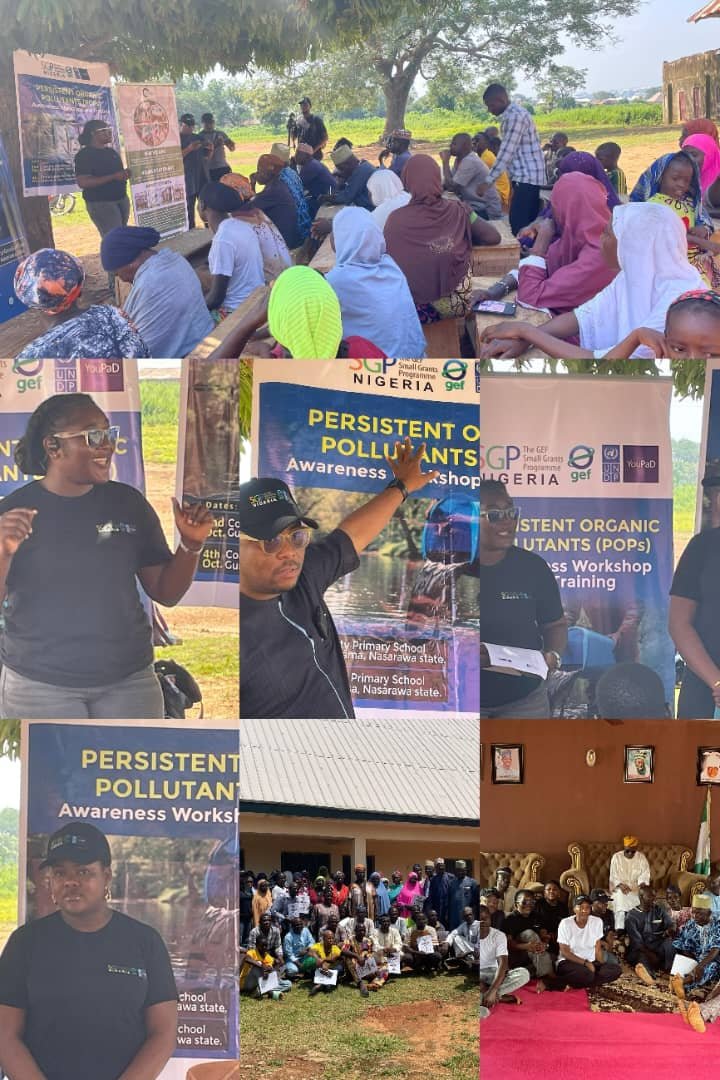
In a determined effort to promote environmental safety and sustainable agricultural practices, the Global Environment Facility (GEF) Small Grants Programme (SGP) Nigeria, implemented by the United Nations Development Programme (UNDP), in collaboration with EcoCykle and Basic Rights Watch (BRW), has organized a training workshop for farmers on Persistent Organic Pollutants (POPs) Awareness at Gurukum Kasa community.
The workshop, held today, brought together farmers, youths, and local leaders to deepen understanding of POPs, their sources, and their detrimental effects on human health, crops, animals, and the environment.

Delivering the lead presentation on “Introduction to POPs Awareness: Nature, Sources, Health and Environmental Risks,” Dr. Ugonna Obi-Emeruwa explained that POPs are harmful chemicals that persist in the environment, accumulate in living organisms, and pose long-term risks to both people and ecosystems.
He noted that POPs are commonly found in pesticides, plastics, and industrial waste, warning that continued use and poor disposal of such substances could lead to cancer, reproductive disorders, and environmental pollution. Dr. Obi-Emeruwa urged farmers to adopt safer, eco-friendly agricultural practices and avoid indiscriminate chemical use.
Participants also took part in an interactive role play facilitated by Laurita Boniface, which creatively illustrated how POPs are introduced into communities through farming, waste burning, and household activities. The exercise made the discussion practical and easy for participants to connect with their daily experiences.
Speaking on “POPs in Farming and Household Practices,” Sophie highlighted that many farmers unknowingly expose themselves and their families to danger by using banned or expired chemicals. She advised that organic pest control, improved waste management, and public sensitization were crucial steps toward safer communities.

As part of the event, representatives of SGP Nigeria, UNDP, EcoCykle, and BRW paid a courtesy visit to the Chief of Gurukum Kasa community, who expressed appreciation to the organizations for their intervention.
In his remarks, the Chief stated:
“This training has opened our eyes to things we did not understand before. We thank you for coming to educate our farmers and our youths. From today, our people will handle chemicals and waste with greater care for the sake of our health and our land.”
In an exclusive interview with Media360Impact, participants Mohammed Bin Laden and Amina Shuaibu described the training as eye-opening.
According to Mohammed, “We now understand that burning plastics or using certain pesticides is dangerous. I will begin to change how I handle these materials.”
Amina added, “As a mother, I will make sure we stop unsafe household practices and share what I learned today with my neighbors.”
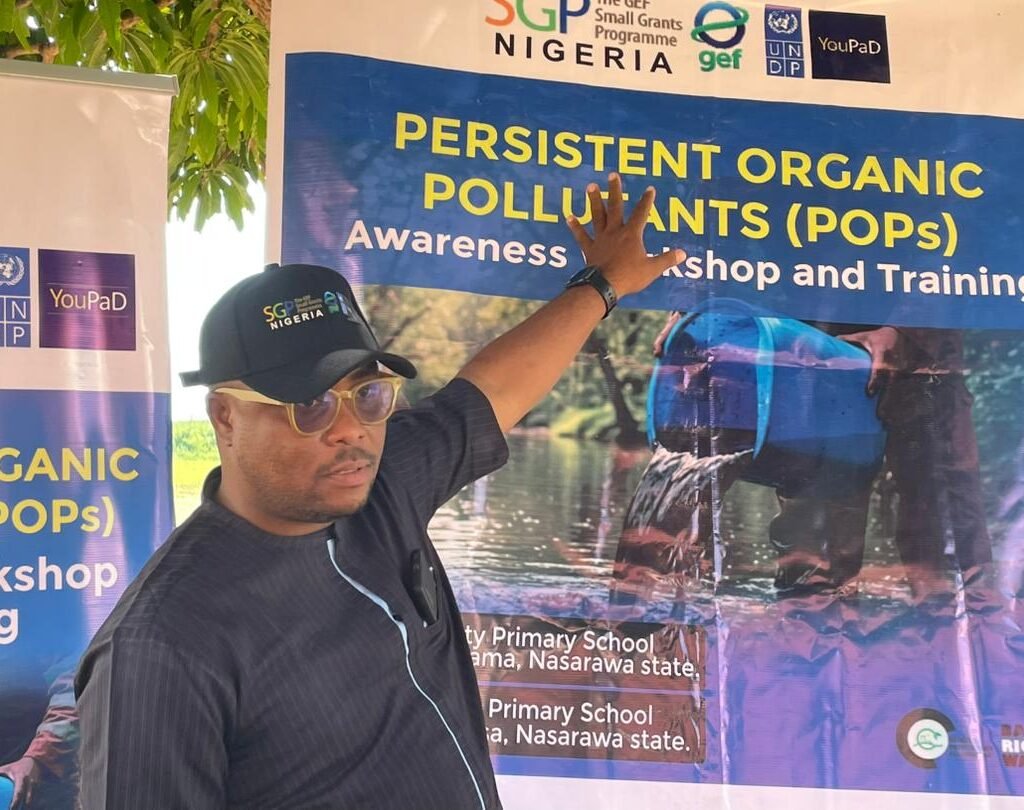
The workshop ended with a community pledge to promote safer environmental practices and spread awareness on the dangers of POPs in farming and daily life.