
By Ameh Gabriel | Media360Impact
When Chinese tech first entered African markets, few predicted the dominance it would achieve. Today, in places like Lagos, Nairobi, and Accra, Chinese brands aren’t just players they are leaders.
Chinese Smartphones: Built for Africa
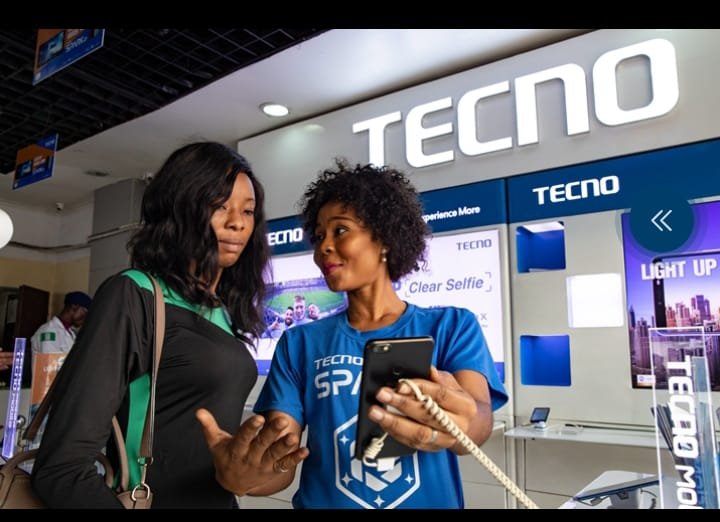
In 2023, Transsion Holdings makers of Tecno, Infinix, and Itel controlled over 47% of Africa’s smartphone market. Their secret? Local understanding.
Tecno phones, for example, feature:
AI cameras tuned for darker skin tones
Extra-long battery life for areas with unstable electricity
Multiple SIM support, ideal for cost-sensitive users
”These are not just phones they are cultural products,” says Dr. Ifeoma Udeh, a tech researcher in Abuja. “They reflect an understanding of African lifestyle and challenges.”
Tech Beyond Smartphones: TV, Solar, and the Internet
Chinese influence goes far beyond mobile devices. Huawei and ZTE helped build the fiber-optic backbone for 4G networks in dozens of African nations.
Meanwhile, StarTimes, a Chinese media company, offers low-cost digital TV across the continent, making news, movies, and sports more accessible to rural populations. In Nigeria alone, it has over 10 million users.
Chinese firms also lead in solar energy access:
Sunking and other solar providers offer Chinese-made kits for lighting, charging, and even refrigeration changing lives in off-grid communities.
Apps, Culture, and the Digital Influence
ByteDance’s TikTok is one of the most downloaded and used apps in Africa. The platform has turned Nigerian influencers into global stars, reshaped music trends, and even empowered local activists.
“TikTok helped my business grow from a small bead shop in Lagos to shipping orders across Africa,” says Amina Lawal, a digital entrepreneur.
Chinese-owned platforms and devices are now part of Africa’s daily digital experience. And this digital bridge is building new forms of cultural diplomacy.
Training, Jobs, and Tech Transfer
Chinese firms aren’t just selling to Africans they’re hiring and training them. Huawei runs ICT academies in over 20 African countries, training thousands of local engineers in cloud computing, 5G, and cybersecurity.
In Ethiopia, Huawei built a cloud data center while training over 3,000 local technicians. In Nigeria, hundreds of students have received scholarships for ICT programs supported by Chinese firms.
The Bigger Picture: China’s Long Game in Africa
This isn’t just business it’s soft power. While Western tech giants chase profits, Chinese firms are laying long-term foundations building infrastructure, training workers, and providing accessible tech to underserved communities.
And for African nations, the question is: how can we maximize this partnership?