
By Gabriel Ameh
Abuja, February 6, 2026 — The President of the Nigerian Union of Journalists (NUJ), Comrade Alhassan Yahya Abdul, has reaffirmed plans to reposition the International Institute of Journalism (IIJ) as a globally competitive centre for journalism training, as alumni of the institute convened their inaugural congress in Abuja.
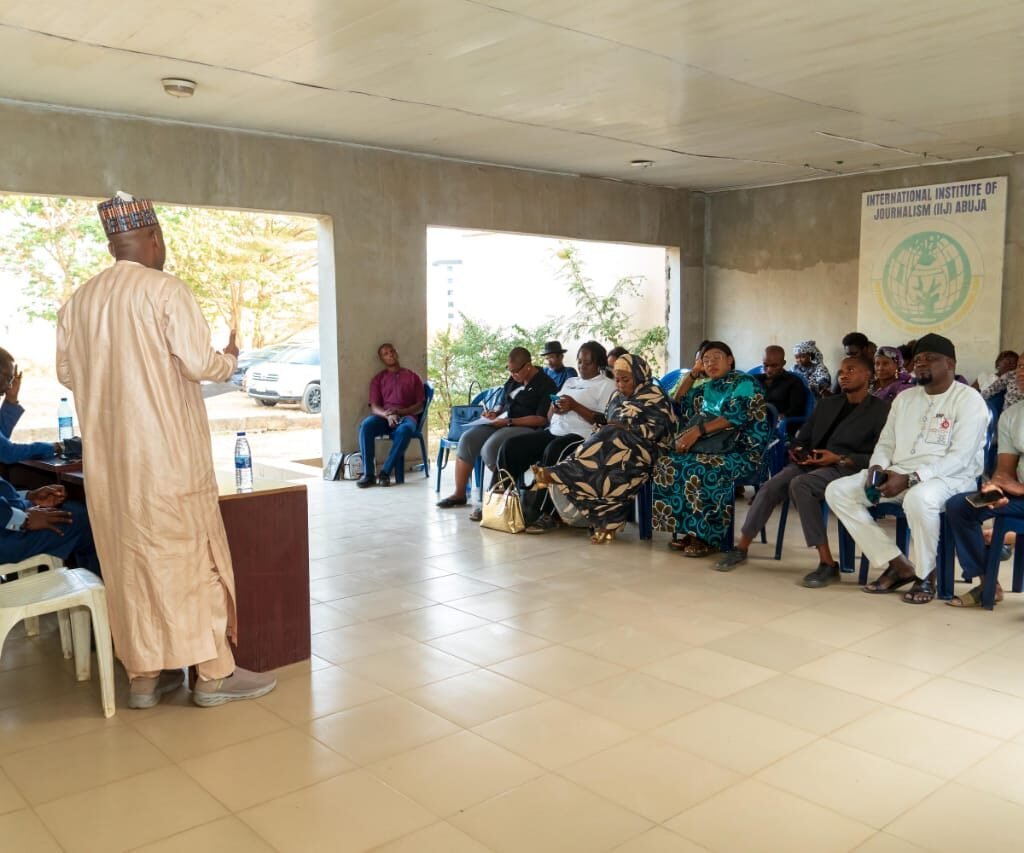
The meeting, held at the IIJ campus in Jahi, brought together alumni, NUJ leadership and other stakeholders to deliberate on the institute’s future, with discussions focusing on accreditation, institutional autonomy, infrastructure renewal and academic reforms.
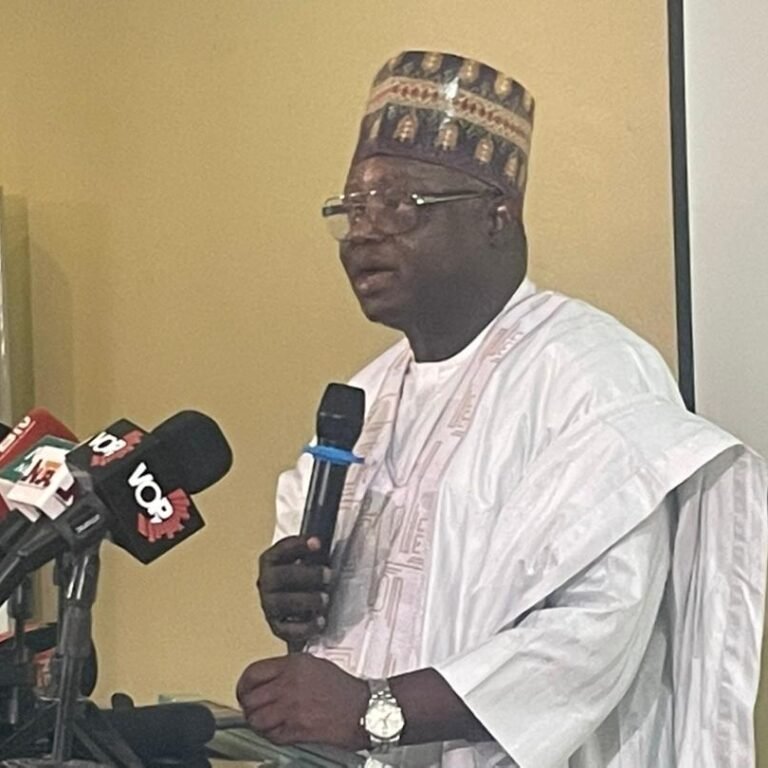
Addressing participants, Abdul described the gathering as timely, noting that the revitalisation of IIJ formed a central part of his campaign promises as NUJ President.
On accreditation, he disclosed that all required fees had been paid but noted that the National Universities Commission (NUC) had temporarily halted the issuance of accreditation certificates nationwide. He added that he had formally written to the Federal Ministry of Education and expressed optimism that IIJ would secure full accreditation soon.
According to him, the lack of accreditation currently prevents the institute from accessing Tertiary Education Trust Fund (TETFUND) support, as accreditation is a prerequisite for such funding.
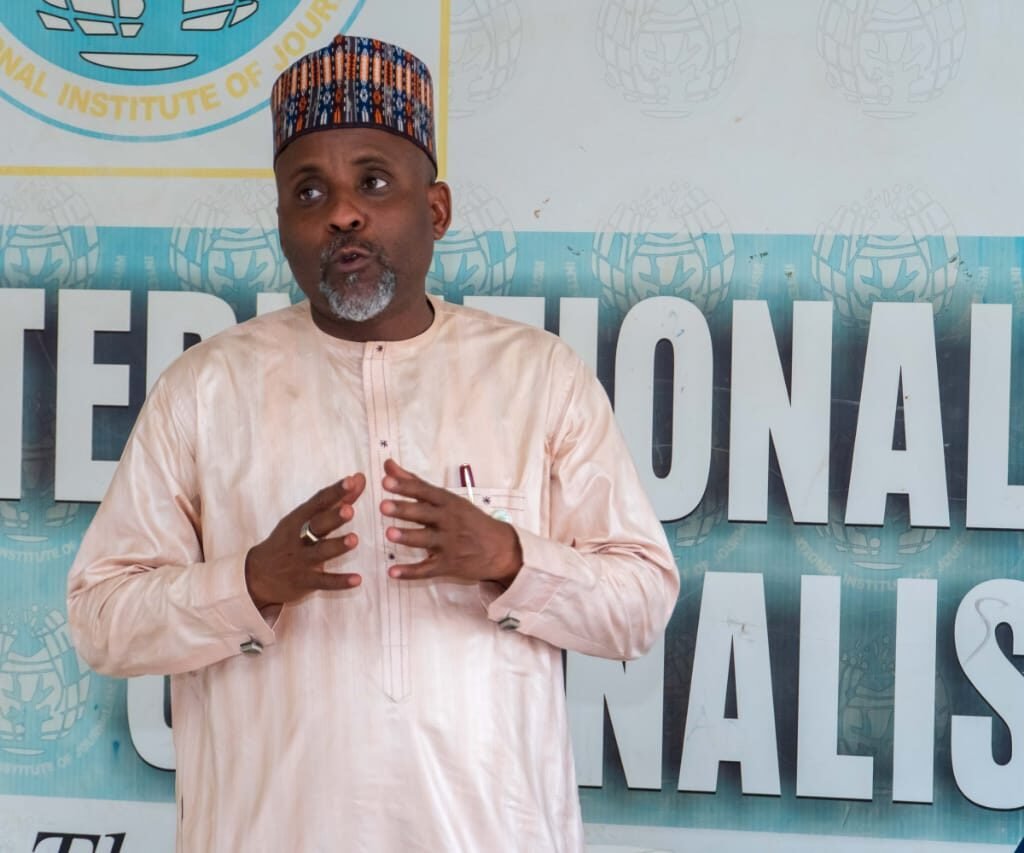
The NUJ President also revealed ongoing efforts to review and upgrade IIJ’s academic programmes, update curricula in line with global standards, and introduce new courses to strengthen the institute’s relevance.
He announced plans for a comprehensive restructuring and rebranding of IIJ, covering staffing, faculty development, infrastructure and institutional image.
Speaking on journalists’ welfare, Abdul disclosed that the NUJ was finalising a healthcare insurance scheme aimed at improving access to quality healthcare for journalists and addressing maternal health concerns within the profession. He also said a Media Enhancement Bill would soon be presented to the National Assembly.
On broadcast expansion, he said steps were being taken to secure certification for IIJ Television and Radio stations. While television certification is currently feasible, he explained that radio licensing in Abuja is temporarily suspended, urging patience as engagements with regulators continue.
He clarified that IIJ remains affiliated with the University of Maiduguri and urged graduates to collect their certificates while cautioning against misinformation.
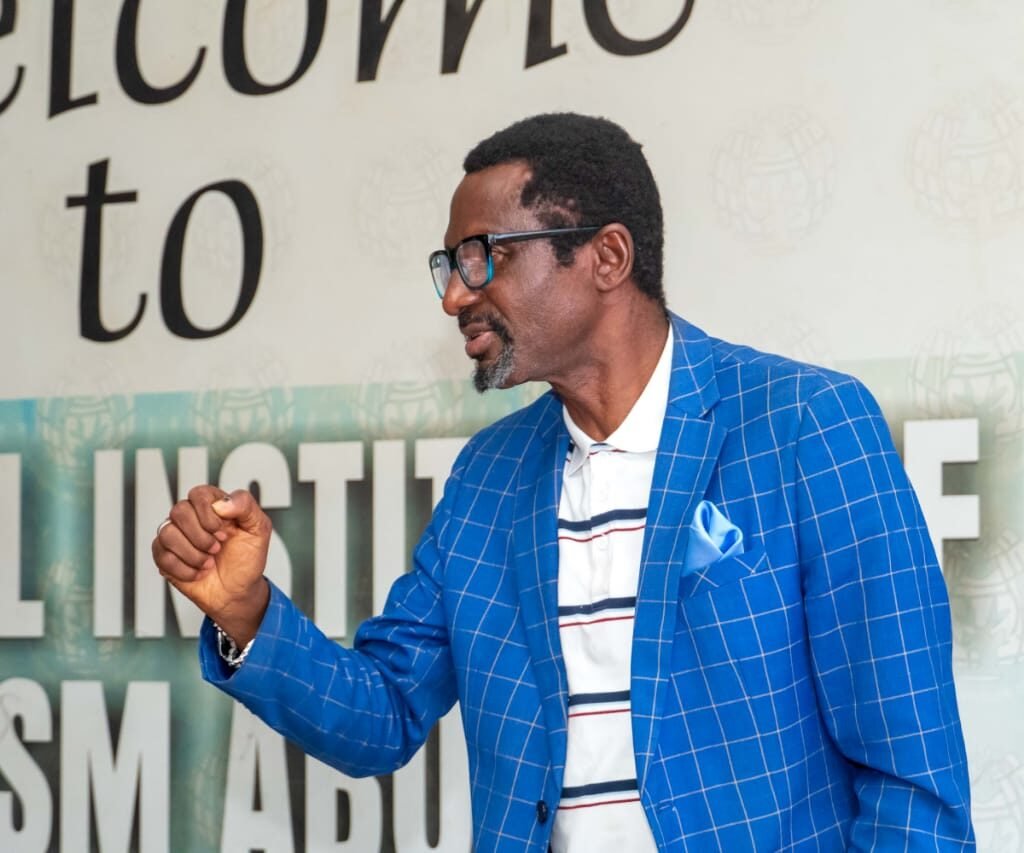
Earlier, the Patron of the IIJ Alumni Association, Maj. Prof. A. A. Ambosun (Rtd.), said the alumni body was formed to drive strategic reforms aimed at restoring IIJ’s credibility as a leading journalism institute.
Ambosun highlighted concerns over the institute’s current condition and called for urgent action on accreditation, greater institutional autonomy from the NUJ National Secretariat, establishment of functional radio and television stations, development of a modern library, and the appointment of a competent governing board.
He also advocated the creation of a comprehensive alumni database, appointment of Deans for Postgraduate and Media Communication Studies, introduction of new schools, and partnerships with TETFUND, government institutions and non-governmental organisations.
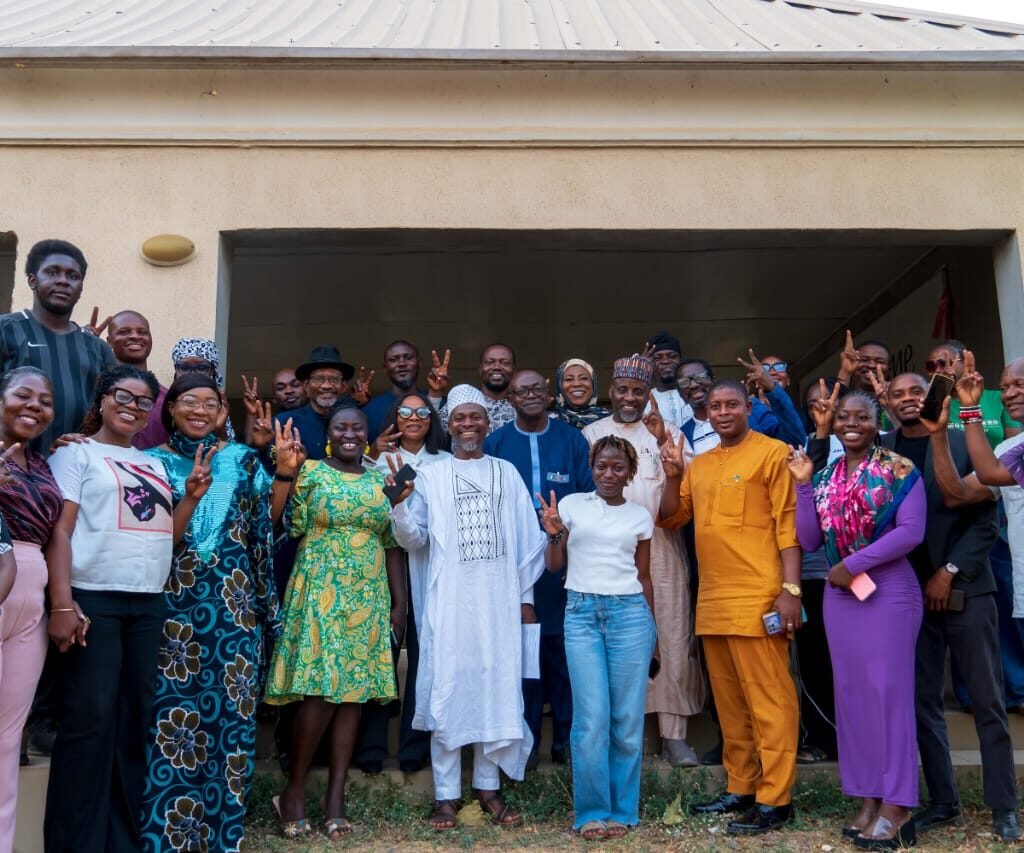
In his remarks, the President of the IIJ Alumni Association, Reuben Okala, thanked the NUJ President for attending the congress and pledged the alumni’s support toward the proposed reforms.
The congress ended with a collective resolution by alumni and NUJ leadership to work together toward securing accreditation, strengthening governance and restoring IIJ’s standing in journalism education.